Picture this: a rainy afternoon, a stack of French cookbooks, and a sudden craving for something that feels like a hug from the inside. I was flipping through a dusty tome when I stumbled upon the classic recipe for Beef Bourguignon, but with a twist that turned my kitchen into a small Parisian bistro. The moment the scent of simmering wine hit my nose, I knew I was about to rewrite the rules of comfort food.
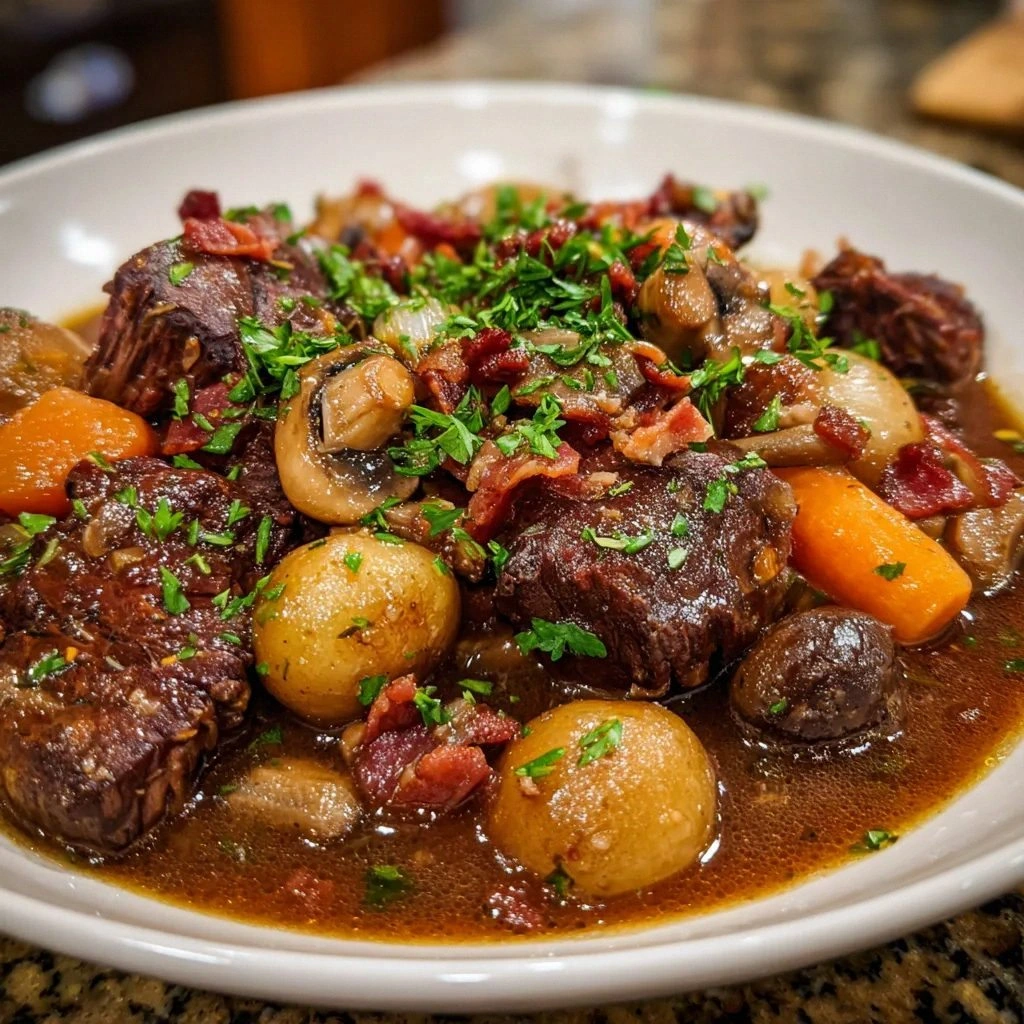
I dare you to taste this and not go back for seconds. The first bite is a rich, velvety sauce that coats the tender beef like silk, while the caramelized onions and earthy mushrooms add layers of depth that sing in harmony. The broth, thickened by flour and enriched with tomato paste, carries the wine’s subtle acidity, creating a balance that feels both luxurious and grounded. Each mouthful is a reminder that slow cooking can turn humble ingredients into something extraordinary.
Most recipes get this completely wrong by rushing the browning or using a low-quality wine. I’ve tried every version that promised “quick” results, and none matched the depth of this slow-simmered masterpiece. The secret? A meticulous sequence of searing, deglazing, and a long, low oven braise that lets the flavors marry like long‑time lovers.
If you've ever struggled with a stew that tastes like a soup, you're not alone—and I've got the fix. Picture yourself pulling this out of the oven, the whole kitchen smelling incredible, and watching the steam curl like a fragrant cloud. Let me walk you through every single step — by the end, you'll wonder how you ever made it any other way.
What Makes This Version Stand Out
- Taste: The wine infusion gives a deep, buttery flavor that lingers on the palate. The caramelized onions add a subtle sweetness that balances the savory notes. Together, they create a sauce that feels both robust and refined.
- Texture: The beef is sliced into bite‑size cubes that stay moist and tender after hours of braising. The mushrooms retain their bite, providing a pleasant contrast to the silky sauce. The carrots remain slightly firm, adding a pleasant crunch.
- Ingredient Quality: Using a high‑quality Burgundy or a similarly robust red wine elevates the dish beyond the ordinary. Fresh herbs in the bouquet garni impart an aromatic freshness that cannot be replicated with dried spices.
- Simplicity: Despite its depth, the method requires only a few key steps: sear, deglaze, braise, and finish. No complicated techniques or exotic tools are needed, making it accessible to everyday cooks.
- Crowd Reaction: The first bite will have your guests asking for the recipe. The slow cooking process ensures that the dish can be prepared ahead, letting you entertain without stress.
- Make‑Ahead Potential: The stew tastes even better the next day as the flavors meld. It’s perfect for meal prep or for serving at a dinner party with minimal last‑minute fuss.
- Versatility: You can tweak it with different proteins or vegetables, yet the core technique remains the same, allowing for endless creative exploration.
Alright, let's break down exactly what goes into this masterpiece…
Inside the Ingredient List
The Flavor Base
Beef Chuck is the heart of this dish, providing a rich, meaty flavor that forms the foundation of the stew. Choose a cut with a good marbling pattern; the fat renders during braising, adding depth and a silky mouthfeel. If you skip this cut, the dish will lack the robust beefiness that makes Bourguignon iconic.
Red Wine is more than a liquid; it’s the soul of the sauce, infusing the stew with a complex bouquet of fruit and oak. A dry Burgundy or a similarly structured wine will give you the authentic flavor profile. If you use a lighter wine, the sauce may taste too sweet and lose its gravitas.
Beef Broth brings savory richness and helps create a cohesive, velvety sauce. Homemade broth carries subtle nuances that store‑bought versions often lack. If you’re in a hurry, a good quality bouillon cube will suffice, but the flavor will be slightly less nuanced.
The Texture Crew
Bacon adds a smoky, crispy element that cuts through the richness of the stew. The rendered fat also creates a base for the sauce, binding the flavors together. If you prefer a vegetarian version, omit the bacon and add a splash of smoked paprika for a hint of smokiness.
Onion is the aromatic backbone of any French stew, providing sweetness and depth. Slice it into thick wedges to avoid burning and to develop a caramelized surface that contributes to the sauce’s body. Skipping onion will make the dish flatter and less complex.
Carrots add a subtle sweetness and a pop of color that balances the savory elements. Their natural sugars caramelize during the braising process, enhancing the overall flavor. If you’re looking for a low‑carb option, you can reduce the number of carrots, but the sauce will be slightly less sweet.
The Unexpected Star
Garlic provides a warm, aromatic essence that permeates the entire dish. Mince it finely to release maximum flavor without overpowering the stew. If you’re sensitive to garlic, reduce the quantity but keep the cloves to preserve the aroma.
Bouquet Garni is the unsung hero that infuses the broth with herbal complexity. Tie fresh thyme, bay leaves, and parsley in a small bundle so they’re easy to remove after cooking. If you can’t find fresh herbs, a pinch of dried thyme and bay leaf will still impart a subtle herbal note.
The Final Flourish
Mushrooms bring an earthy flavor and meaty texture that complements the beef. Use cremini or button mushrooms; their robust flavor holds up well during long cooking times. If you’re allergic to mushrooms, replace them with a handful of sliced bell peppers for a sweet, crunchy twist.
Tomato Paste thickens the stew and adds a subtle sweetness and acidity that balances the wine’s tannins. Stir it into the sauce during the deglazing step to allow it to caramelize slightly. Skipping it will result in a thinner, less flavorful sauce.
All‑Purpose Flour is the thickening agent that gives the sauce a luscious, velvety texture. Sprinkle it over the browned beef to form a roux that locks in moisture. If you’re gluten‑free, use a gluten‑free flour blend to achieve the same consistency.
Salt and Pepper are essential for seasoning, enhancing all the flavors in the dish. Add salt after the stew has simmered to avoid drawing out moisture prematurely. Pepper adds a subtle heat that brightens the overall profile.
Everything's prepped? Good. Let's get into the real action…
The Method — Step by Step
- First, season the beef cubes generously with salt and pepper. Heat a large Dutch oven over medium‑high heat and add a splash of oil. When the oil shimmers, brown the beef in batches, ensuring each side gets a deep, caramelized crust. This step locks in flavor and creates a rich base for the stew. Don’t crowd the pan; overcrowding will steam the meat instead of searing it.
- Add the bacon pieces to the pot and cook until they’re crisp and the fat has rendered. The bacon fat will help sauté the onions, carrots, and mushrooms later. Once the bacon is ready, remove it with a slotted spoon and set aside on a paper towel to drain. Keep the fat in the pot; it’s essential for building the sauce.
- In the same pot, add the sliced onions and a pinch of salt. Cook until they’re translucent and beginning to caramelize, about 5 minutes. Add the diced carrots and continue cooking until the vegetables start to soften. The slow caramelization will deepen the stew’s flavor profile.
- Stir in the minced garlic and cook for 30 seconds until fragrant, being careful not to burn it. Garlic can quickly turn bitter if left on high heat. This brief sauté releases essential oils that infuse the stew.
- Return the browned beef and bacon to the pot. Sprinkle the flour over the mixture and stir to coat all the solids. The flour will create a roux that thickens the sauce and gives it a silky texture. Cook for 2 minutes to eliminate the raw flour taste.
- Pour in the red wine, scraping the bottom of the pot to loosen the caramelized bits. Add the beef broth, tomato paste, and bouquet garni. Bring the mixture to a gentle simmer, then reduce the heat to low. Cover the pot and let it braise in the oven at 325°F (163°C) for 3 hours, or until the beef is fall‑apart tender.
- Halfway through, check the liquid level; if it’s too low, add a splash of water or broth. After the braising period, remove the pot from the oven and discard the bouquet garni. Stir in a tablespoon of butter for extra richness, if desired. Taste and adjust seasoning with salt and pepper.
- Serve the Bourguignon hot, garnished with fresh parsley or thyme. Pair it with buttery mashed potatoes, crusty bread, or a simple green salad. The sauce should coat the sides of the bowl, creating a luscious, velvety mouthfeel that makes every bite unforgettable.
That's it — you did it. But hold on, I've got a few more tricks that'll take this to another level…
Insider Tricks for Flawless Results
The Temperature Rule Nobody Follows
Maintaining a steady, low oven temperature is crucial for tender meat. A temperature that’s too high will toughen the beef, while too low will leave it mushy. Use a reliable oven thermometer to ensure the oven stays within 5°F of the set temperature.
Why Your Nose Knows Best
Smell the stew after the first hour of braising; it should smell like a warm, comforting cellar. If it’s too acidic, add a splash of milk or cream to balance the flavors. A well‑balanced aroma often translates to a well‑balanced taste.
The 5‑Minute Rest That Changes Everything
After removing the pot from the oven, let the stew rest for 5 minutes before serving. This brief pause allows the flavors to settle, resulting in a more cohesive sauce. It also gives the beef a chance to re‑absorb juices.
The Mushroom Magic
If you want a deeper mushroom flavor, brown them separately in a skillet before adding to the stew. This step caramelizes the mushrooms, adding a nutty depth that complements the beef. It also prevents them from releasing too much moisture during braising.
The Salt Timing Trick
Add salt after the stew has simmered for at least an hour. Salt added too early can draw moisture out of the meat, leaving it dry. Late-season salt ensures the beef stays juicy.
The Final Finish
Finish with a tablespoon of butter or a splash of cream to give the sauce a glossy sheen. This step also rounds off the acidity of the wine, creating a smooth finish. Don’t skip this final touch; it’s what makes the sauce truly silky.
Creative Twists and Variations
This recipe is a playground. Here are some of my favorite ways to switch things up:
The Herb‑Infused Variation
Swap the bouquet garni for a handful of fresh rosemary and sage. The earthy herbs give the stew a Mediterranean vibe. Serve over polenta for a hearty twist.
The Sweet & Spicy Version
Add a diced red bell pepper and a pinch of cayenne pepper. The pepper adds a subtle heat that balances the sweetness of the carrots. This version is perfect for those who love a bit of kick.
The Mushroom‑Heavy Delight
Increase the mushroom quantity to 12 oz and reduce the carrots to 2. The dish becomes a mushroom feast that pairs well with a crisp white wine.
The Low‑Carb Alternative
Omit the carrots and use a handful of sliced zucchini instead. The zucchini adds moisture without the carbohydrates. Pair it with cauliflower rice for a complete low‑carb meal.
The Vegan Take
Replace the beef with seared tofu cubes and use vegetable broth instead of beef broth. Add a splash of soy sauce for umami. This version still delivers a rich, savory sauce.
The Rustic Country Spin
Add a splash of apple cider vinegar at the end for a tangy finish. The vinegar cuts through the richness, making the stew feel lighter. Serve with crusty bread to mop up the sauce.
Storing and Bringing It Back to Life
Fridge Storage
Cool the stew to room temperature, then transfer it to a shallow airtight container. Store in the refrigerator for up to 4 days. The flavors will deepen, making the stew even more delicious.
Freezer Friendly
Divide the stew into individual portions and freeze in freezer‑safe containers. Label with the date and thaw in the refrigerator overnight. Reheat gently on the stove, adding a splash of water if the sauce has thickened.
Best Reheating Method
Reheat on low heat, stirring frequently to prevent sticking. Add a tiny splash of water or broth to restore moisture. Finish with a drizzle of butter for a silky finish.