My apartment smelled like a Seoul street market at 2 a.m. last Thursday—smoke curling from the oven, glaze bubbling like lava, and me in sock-slippers doing a victory dance because I’d finally cracked the code. I’d been chasing the perfect Korean BBQ meatball for three years, ever since a food-truck guy in L.A. handed me a paper boat of glossy spheres that made my eyes roll so far back I practically saw tomorrow. Every version I tried at home landed somewhere between “decent” and “where’s the flavor, Karen?” until this one. This one hit like a K-pop chorus: sweet, salty, funky, spicy, and impossible to forget. I ate eight straight off the sheet pan, burned my tongue, and still reached for number nine. If you’ve ever chased a craving through midnight YouTube rabbit holes and come up dry, welcome to the promised land. Let me walk you through every single step—by the end, you’ll wonder how you ever made it any other way.
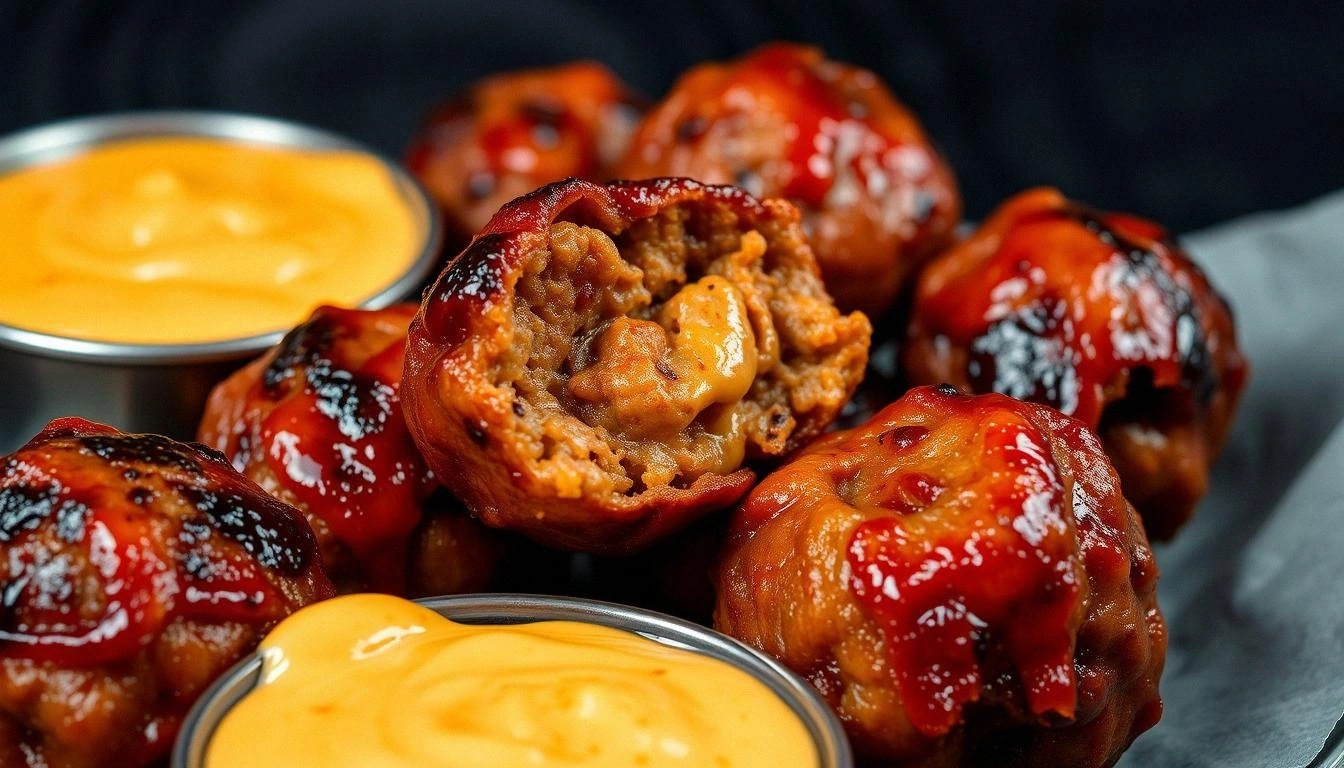
Picture this: caramelized edges that shatter like thin ice, revealing a juicy center shot through with garlic, ginger, and gochujang so fresh it still has morning dew on the label. The sauce lacquers each orb until it gleams like a new penny, and when you spear one with a toothpick it releases a puff of steam that smells like soy-sauce-kissed charcoal. Dip it in the spicy mayo—just cool enough to make the heat flirt instead of slap—and you get that swoony sweet-spicy-creamy collision that makes time pause. I served these at a game-night gathering and the plate emptied in four minutes flat; one friend literally clutched my arm and whispered, “I need this life-altering experience every Sunday.” Dramatic? Maybe. True? Absolutely.
What sets this version apart is the layering: instead of dumping bottled bulgogi sauce on plain ground beef, we build the profile from the inside out—grated pear for sweetness and enzymes that tenderize, miso for bass-note umami, toasted sesame oil for nutty perfume, and a whisper of rice vinegar to keep the richness on a leash. The glaze reduces in the same pan while the meatballs roast, so the pork fat mingles with soy, brown sugar, and gochujang until it turns into sticky midnight-purple lava. And the spicy mayo? It’s not an afterthought. We whip it until it’s satin-smooth, balance the heat with fresh lime so it sings, and chill it while the meatballs sizzle. Trust me, the wait is foreplay.
Okay, ready for the game-changer? We’re going to bake these on a wire rack set over a sheet pan so hot air curls around every curve and the fat drips away, leaving the bottoms caramelized instead of soggy. No skillet splatter, no babysitting, no half-browned sadness. Just shake the pan once, brush on the glaze, and let the oven do its smoky magic. I dare you to taste this and not go back for seconds—actually, just accept that thirds are destiny.
What Makes This Version Stand Out
Double-Decker Umami: Miso and soy team up like superhero sidekicks, punching way above their weight for a depth that bottled sauces never reach.
Pear Power: Grated Asian pear brings natural sugar and enzymes that keep the meat obscenely tender—applesauce lovers, sit down; this is the big leagues.
Sticky-Sweet Shell: The glaze goes on twice: once to sink in, once to lacquer to a mirror finish that crackles under tooth pressure like crème-brûlée top.
No-Stress Bake: Oven-roasting on a rack means even browning without turning each ball—your arms stay free for beverage consumption.
Heat-With-Heart Mayo: Sriracha and lime whip into full-fat mayo until the color rivals sunset and the flavor balances fire, tang, and velvet fat.
Make-Ahead Magic: Roll the meatballs the night before, park them on a parchment tray, cover tight—next-day cooking is literally slide-in-oven easy.
Crowd-Proof: From potluck to pot-sticker-obsessed toddlers, these disappear first; bring copies of the recipe or risk friendships.
Alright, let's break down exactly what goes into this masterpiece...
Inside the Ingredient List
The Flavor Base
Ground pork is my ride-or-die here—its fat content keeps things lush, but we’ll add a sliver of ground beef for that deep, almost iron-rich note that screams backyard grill. Gochujang is non-negotiable; look for the red tub with the little rooster, not the candy-sweet squeeze bottle hiding in the “ethnic” aisle. Fresh garlic and ginger get micro-planed so they melt into the meat, no chunky surprises. And that grated pear? Use a Korean Shingo if you can find it; otherwise any firm Asian pear will do—skip the mushy ones or you’ll have meatball pudding.
The Texture Crew
Panko breadcrumbs soak up the juices and expand, giving you springy instead of golf-ball dense. One egg is the glue, but beat it first so you don’t hit a streak of white in the middle. Toasted sesame oil is liquid gold—sniff the bottle; if it smells like cardboard, it’s rancid and you’ll ruin everything. Finally, a spoon of cornstarch might feel random, but it’s the secret armor that locks in moisture and gives the exterior that delicate crunch.
The Unexpected Star
Whispers of fish sauce—yes, fish sauce—catapult the umami into orbit. Don’t worry, it won’t taste like anchovy candy; it just deepens the savoriness so that people say, “I can’t put my finger on why this is so good.” If you’re vegetarian, sub in a few drops of mushroom soy, but promise me you’ll try the fish sauce version once before you die.
The Final Flourish
Green onions for grass-sweet pop, sesame seeds for tiny nutty crunches, and lime zest in the mayo to keep your palate awake between bites. Buy the untoasted sesame seeds and toast them yourself in a dry pan for ninety seconds; the aroma will make you believe in kitchen divinity.
Everything's prepped? Good. Let's get into the real action...
The Method — Step by Step
- Preheat your oven to 425 °F (220 °C) and set a rack in the middle—high heat equals color, and color equals flavor city. Line a rimmed sheet pan with foil (cleanup karma) and place a wire cooling rack on top; mist it with oil so the meatballs don’t moonwalk into permanent residency. This setup lets hot air swan-dive underneath, giving you spherical browning instead of sad pale bottoms.
- In a big bowl, whisk together gochujang, soy, miso, sesame oil, fish sauce, brown sugar, rice vinegar, garlic, ginger, and that glorious grated pear until it looks like glossy melted rubies. The sugar won’t dissolve completely yet—don’t panic; it’ll melt in the oven and form part of the sticky cloak. Take a tiny lick (I won’t tell) and adjust heat or sweetness; this is your last chance to steer the ship.
- Add panko, cornstarch, egg, and green onions to the bowl and stir until the panko drinks up the juices and turns into a wet paste. This slurry keeps the pork from seizing into rubber; think of it as a spa treatment for your soon-to-be meatballs. Let it rest two minutes so the crumbs fully hydrate—impatient cooks who skip this get crumbly blowouts.
- Slide in the ground pork and beef, then mix with wet hands just until everything looks homogenous. Over-mixing is the enemy of tenderness; stop the second you don’t see streaks of pink or white. If you’re a perfectionist, cover and chill fifteen minutes—cold fat is easier to roll and less likely to flatten on the rack.
- Scoop a generous tablespoon (a #40 disher if you’re fancy) and roll into golf-ball nuggets, lining them up on the rack with a finger’s width between. You should get about twenty-four; if you eat one raw “to test,” I disown you—pork plus fish sauce equals a stomach adventure you don’t want. Pop the tray in the oven and set a timer for ten minutes; we’re par-cooking so the glaze will have something to grip later.
- While they roast, make the glaze: whisk remaining soy, gochujang, brown sugar, rice vinegar, and a splash of water in a cup. Microwave thirty seconds or heat on stovetop until syrupy and the bubbles look like molten lava. It should coat a spoon but still drip—too thick and it’ll burn, too thin and you’ll have puddles.
- After ten minutes, pull the pan, brush the tops generously with half the glaze, and slide back in for another eight minutes. The kitchen will start to smell like Seoul at midnight—smoky, sweet, and slightly dangerous. Don’t walk away; this is the moment sugar turns from caramel to acrid in a heartbeat.
- Brush the remaining glaze and crank the oven to broil for two final minutes. Watch closely; the surface will blister and hiss like tiny fireworks—that sizzle when it hits the pan? Absolute perfection. Remove when the edges are mahogany and the internal temp hits 165 °F (74 °C).
- While the meatballs rest (five minutes—yes, you must), whisk together mayo, sriracha, lime juice, garlic, and salt until it’s the color of coral lipstick. Taste and adjust; you want a gentle burn that blooms after you swallow, not a frontal assault that kills the subtle pork sweetness. Chill the bowl for those five minutes so the flavors marry and the dip thickens.
- Plate the meatballs in a jumble, shower with sesame seeds and extra green onion, and serve the spicy mayo in a ramekin big enough for double-dipping without shame. If you’ve done this right, the first bite will make you close your eyes involuntarily, and the room will go quiet except for the universal meatball mmmmm.
That's it—you did it. But hold on, I've got a few more tricks that'll take this to another level...
Insider Tricks for Flawless Results
The Temperature Rule Nobody Follows
Mix your meat cold, shape cold, then let the formed meatballs sit on the counter for ten minutes before baking. Cold fat is pliable, room-temp fat melts too fast and leaks out, leaving you with golf-ball textured pucks. A friend tried skipping this step once—let’s just say it didn’t end well, and her dog got more dinner than the guests.
Why Your Nose Knows Best
Toast sesame seeds until they smell like popcorn, not a second longer. When the aroma flips from nutty to bitter, you’ve crossed the Rubicon. Trust the nose, not the clock—ovens, pans, and seeds vary, but your olfactory bulb is brilliantly consistent.
The 5-Minute Rest That Changes Everything
Rest the meatballs five minutes post-oven; proteins relax and reabsorb juices, so when you spear one it doesn’t weep onto the platter. Cover loosely with foil so steam doesn’t soften that glorious shell. Serve on a warm plate and they’ll stay volcano-hot through the second beer.
Creative Twists and Variations
This recipe is a playground. Here are some of my favorite ways to switch things up:
Firecracker Chicken Edition
Swap pork for ground chicken thigh, add a spoon of Thai sweet chili to the glaze, and roll in crushed rice crackers for crunch. The lighter protein lets the heat sing; perfect for friends who pretend they can’t handle spice but secretly adore it.
Vegetarian Bulgogi Bites
Use crumbled firm tofu patted dry and roasted cauliflower rice as the base; bind with an extra egg and a handful of shredded mozzarella for chew. Brush with the same glaze and you’ll fool half the carnivores at the party.
Breakfast Sandwich Smash
Flatten the meatballs into patties, sear in a skillet, tuck into toasted brioche with a fried egg and a swipe of the spicy mayo—morning glory in handheld form. Add a slice of American cheese if you’re feeling nostalgic.
Mini Meatball Subs
Nestle glazed meatballs into slider buns, top with quick kimchi slaw (shredded cabbage, rice vinegar, pinch of sugar, gochugaru), and drizzle extra mayo. Serve at room temp for game day; they vanish faster than napkins.
Low-Carb Lettuce Wraps
Let romaine or perilla leaves stand in for carbs, add julienned daikon and carrot pickles, and finish with sesame seeds. Each wrap is three bites of pure summer, no food-coma included.
Holiday Party Glazed Ham Hybrid
Shape the mixture into a small loaf, bake, then brush repeatedly with the gochujang glaze for a bulgogi meatloaf that slices like ham. Serve cold next-day sandwiches with mayo and quick-pickled cucumbers—leftovers never had it so good.
Storing and Bringing It Back to Life
Fridge Storage
Cool completely, then park in an airtight container with parchment between layers; they’ll keep four days without drying. Reheat in a 300 °F oven for eight minutes or microwave twenty seconds with a damp paper towel—steam is your friend.
Freezer Friendly
Freeze glazed or plain: spread on a tray until rock solid, then bag; they won’t clump into a meatball iceberg. Label with the date; future you will send grateful mental hugs. Thaw overnight in the fridge, then reheat as above.
Best Reheating Method
Skip the microwave if you’re serving guests; instead, warm on a rack over a sheet pan at 325 °F for ten minutes, brushing with a fresh dab of glaze to revive the shine. Add a tiny splash of water to the pan before covering with foil; it steams the inside while the outside crisps, like a personal sauna for each sphere.