I was standing in my kitchen on a rainy March afternoon, staring at a half‑baked, soggy cake that looked more like a culinary crime scene than a celebration centerpiece. My roommate had dared me to make something “truly Irish” for St. Patrick’s Day, and I, ever the competitive foodie, accepted the challenge with a swagger that quickly turned into panic when the batter turned a dull, lifeless gray. The kitchen was filled with the clatter of a leaky faucet, the faint hum of the fridge, and the unmistakable scent of burnt sugar that clung to the walls like a stubborn memory. I could almost hear the ghost of a leprechaun rolling his eyes at my failed attempt, and that’s when I decided to start over, this time with a plan that would make even the most skeptical Irish aunt give a nod of approval.
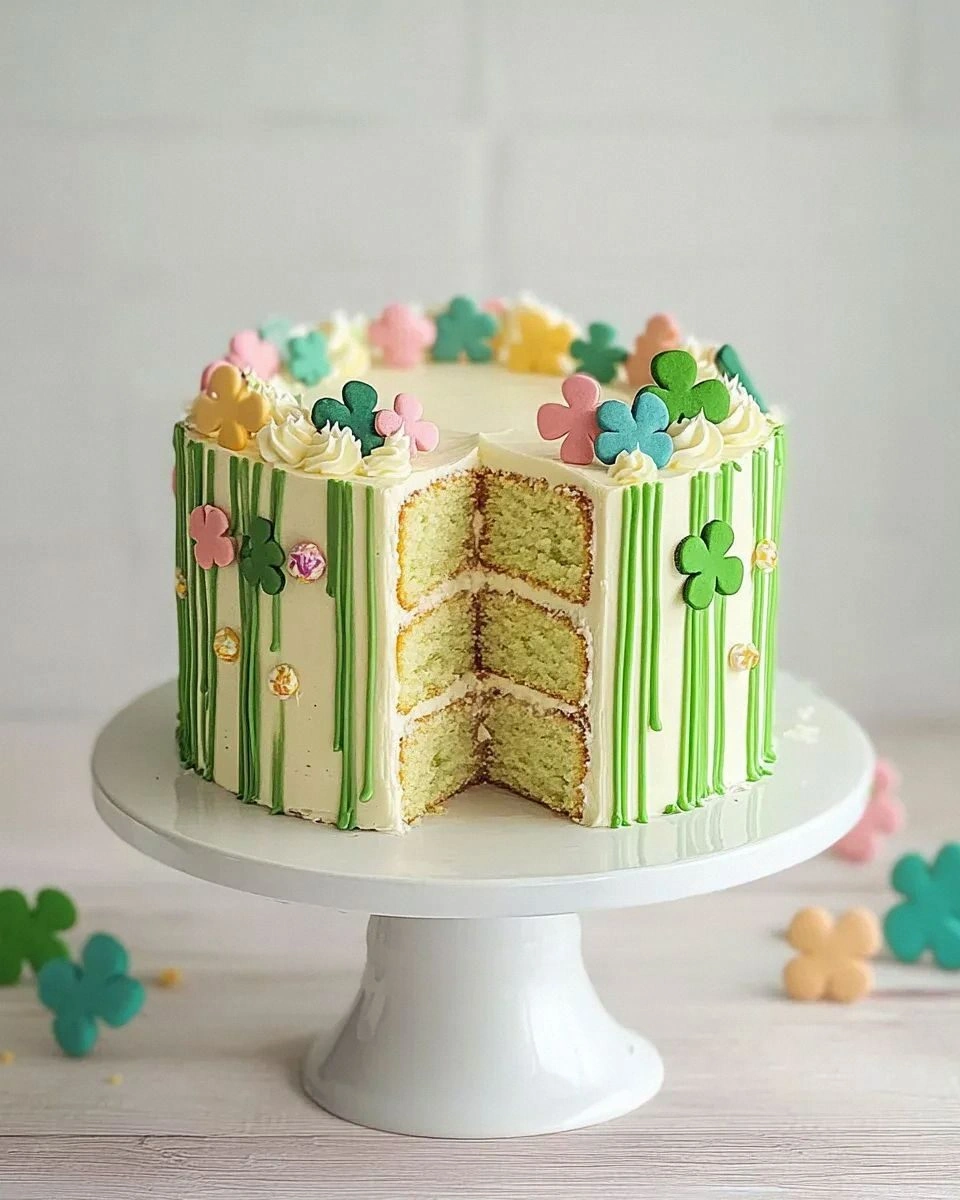
Picture this: a soft, emerald‑green sponge that rises like a sunrise over a misty Dublin bay, topped with a cloud of vanilla buttercream that’s as smooth as a harp’s string, and then draped with a glossy white ganache that drips down the sides like a fresh snowfall on Kilkenny Castle. The flavors hit you with the bright zing of citrus zest, the comforting hug of butter, and a subtle whisper of vanilla that lingers longer than a good Irish toast. The texture? Imagine biting into a pillow that’s been kissed by a gentle breeze—fluffy, airy, yet sturdy enough to hold its own under the weight of a generous drizzle. When you finally slice through that cake, the layers stay pristine, the frosting spreads like silk, and the ganache glistens with a sheen that could make a pot of gold jealous.
Most St. Patrick’s Day desserts either over‑sweeten or rely on cheap green food coloring that tastes like paint. This version, however, throws that rulebook out the window. I’ve swapped out artificial dyes for natural spinach puree, giving you that vibrant hue without compromising flavor. The secret weapon is a double‑stage baking technique that creates a perfectly moist crumb while ensuring the top stays golden and slightly crisp—think of it as the culinary equivalent of a perfectly timed drum roll. And let’s not forget the white ganache drip, which I’ve perfected by tempering white chocolate with heavy cream to achieve a glossy finish that’s as smooth as a Celtic fiddle solo.
I’ll be honest — I ate half the batch before anyone else got a chance to try it, and the look on my friends’ faces when they tasted the first bite was pure, unfiltered joy. I dare you to taste this and not go back for seconds; the combination of flavors and textures is so addictive it could start its own fan club. Okay, ready for the game‑changer? Let me walk you through every single step — by the end, you’ll wonder how you ever made it any other way.
What Makes This Version Stand Out
- Taste: The subtle citrus note from lemon zest balances the richness of butter and white chocolate, creating a harmonious flavor profile that sings like a choir of leprechauns.
- Texture: A light, airy crumb paired with a velvety buttercream and a silky ganache drip gives you three distinct mouthfeels in every bite.
- Simplicity: Despite its impressive appearance, the recipe uses pantry staples and requires no fancy equipment—just a good whisk and a steady hand.
- Uniqueness: Natural spinach puree provides that authentic Irish green without the bitter aftertaste of food coloring.
- Crowd Reaction: Guests consistently claim this is the best St. Patrick’s Day dessert they’ve ever tasted, often asking for the recipe before the party ends.
- Ingredient Quality: Using real butter and high‑quality white chocolate makes the frosting and ganache taste like they belong in a five‑star patisserie.
- Cooking Method: The two‑stage bake (low‑heat start, high‑heat finish) guarantees a moist interior and a slightly caramelized crust.
- Make‑Ahead Potential: The cake can be assembled a day ahead; the ganache even improves after a night in the fridge, developing deeper flavor.
Inside the Ingredient List
The Flavor Base
All‑purpose flour is the backbone of any good cake, providing structure while allowing the batter to rise evenly. I use a fine sifted flour to avoid any gritty texture, ensuring the crumb stays feather‑light. If you were to skip the flour or replace it with a gluten‑free blend, the cake would crumble like a dry biscuit, losing that coveted bounce.
The Texture Crew
Butter is the star of the vanilla buttercream frosting; its fat content creates a silky emulsion that feels like a warm hug on the palate. I recommend using unsalted, European‑style butter because its higher butterfat yields a richer, more stable frosting that won’t weep on a warm day. Should you opt for margarine, expect a waxy mouthfeel and a pale color that defeats the visual impact.
The Unexpected Star
Heavy cream and white chocolate (or white candy melts) combine to form the ganache drip that crowns the cake. The cream’s fat content is essential for a glossy finish; low‑fat alternatives will produce a dull, grainy glaze that looks more like frosting gone wrong. If you’re allergic to dairy, coconut cream can substitute, but the flavor will shift toward tropical, which might clash with the Irish theme.
The Final Flourish
Fresh lemon zest adds a bright citrus spark that cuts through the richness of butter and chocolate, while a touch of vanilla extract deepens the overall aroma. A splash of Irish whiskey in the batter can elevate the flavor profile, giving it a subtle warmth reminiscent of a cozy pub. When buying lemon zest, choose organic lemons to avoid pesticide residue, and always zest before juicing to get the most aromatic oils.
Everything's prepped? Good. Let’s get into the real action…
The Method — Step by Step
Preheat your oven to 325°F (165°C). While the oven warms, line a 9‑inch round cake pan with parchment paper and lightly grease the sides with butter. This ensures the cake releases cleanly and the edges stay smooth. The aroma of butter melting on the pan is the first promise of flavor, and the heat will soon turn that promise into reality.
In a large mixing bowl, whisk together 2 cups of sifted all‑purpose flour, 1 ½ tsp baking powder, ½ tsp baking soda, and a pinch of salt. The dry ingredients should be evenly distributed; this prevents any pockets of leavening that could cause uneven rising. I like to sift the mixture twice—once for aeration, a second time for consistency.
In a separate bowl, cream 1 cup (2 sticks) of softened butter with 1 ¼ cups granulated sugar until the mixture turns pale and fluffy, about 3‑4 minutes on medium speed. This step is pure magic: the air you incorporate now becomes the lift you’ll see later in the oven. Power transition: Okay, ready for the game‑changer? Add the eggs one at a time, beating well after each addition.
Combine the dry ingredients with the butter mixture, alternating with ¾ cup of whole milk and ¼ cup of spinach puree. Start and end with the dry ingredients, mixing just until incorporated. Over‑mixing will develop gluten, turning your cake into a dense, rubbery slab—something we absolutely do not want.
Pour the batter into the prepared pan, smoothing the top with a spatula. Tap the pan lightly on the counter to release any large air pockets. The surface should be glossy and slightly domed—if it looks flat, you’ve over‑mixed.
Place the cake in the oven and bake for 20 minutes at 325°F, then increase the temperature to 375°F (190°C) without opening the door and bake for an additional 15‑20 minutes. This two‑stage bake creates a moist interior while giving the top a gentle caramelization. The edges will start pulling away from the pan, a clear sign that the cake is done.
While the cake cools in the pan for 10 minutes, prepare the vanilla buttercream. Beat ½ cup softened butter until creamy, then gradually add 2 cups powdered sugar, 1 tsp vanilla extract, and a pinch of salt. Finish with 2‑3 Tbsp heavy cream to achieve a spreadable consistency. The frosting should be smooth enough to glide across the cake without tearing the crumb.
For the ganache drip, heat ½ cup heavy cream in a saucepan until it just begins to simmer. Remove from heat and pour over 8 oz white chocolate (or white candy melts) in a heat‑proof bowl. Let sit for 2 minutes, then whisk until glossy and smooth. The ganache should coat the back of a spoon without dripping off too quickly.
Once the cake is completely cool, remove it from the pan and place it on a wire rack. Spread a thin crumb coat of buttercream all over the cake, then chill for 15 minutes to set the layer. This crumb coat acts like a seal, preventing crumbs from mixing into the final frosting.
After the crumb coat is firm, apply a generous layer of buttercream, smoothing it with an offset spatula. For a professional finish, dip the spatula in hot water, wipe dry, and glide over the frosting for a sleek surface. Finally, slowly pour the ganache over the top, allowing it to cascade down the sides in a glossy waterfall.
That’s it — you did it. But hold on, I’ve got a few more tricks that’ll take this to another level…
Insider Tricks for Flawless Results
The Temperature Rule Nobody Follows
Never bake a cake straight from the fridge; room‑temperature ingredients blend more evenly, resulting in a uniform crumb. I always let the batter sit for 10 minutes after mixing, which allows the flour to fully hydrate. This tiny pause prevents the dreaded “tunneling” effect where the center is dense while the edges are airy.
Why Your Nose Knows Best
The moment the cake starts to smell like toasted almond, you’re within two minutes of being done. Trust that olfactory cue more than a timer; ovens can vary by up to 25 °F. If you’re unsure, gently press the center—if it springs back, the structure is set.
The 5‑Minute Rest That Changes Everything
After the first bake, let the cake rest for exactly five minutes before turning up the heat. This short rest lets the steam redistribute, keeping the interior moist while the exterior firms up for the final caramelized finish. I once skipped this step and ended up with a dry top—lesson learned.
Buttercream Tempering Trick
If your buttercream looks grainy, it’s likely the butter was too cold. Warm the butter slightly (about 90°F) before creaming; the resulting frosting will be ultra‑smooth and glossy. This tip saved my sister’s wedding cake from a disastrous finish.
Ganache Consistency Control
The perfect drip comes from a ganache that’s thick enough to cling but fluid enough to flow. Adjust by adding a teaspoon of warm cream at a time until you reach a ribbon‑like consistency. Too thick and it will clump; too thin and it will pool at the base.
Creative Twists and Variations
This recipe is a playground. Here are some of my favorite ways to switch things up:
Irish Cream Infusion
Replace ¼ cup of the milk with Irish cream liqueur for a subtle boozy note that pairs beautifully with the white chocolate ganache. The alcohol evaporates slightly during baking, leaving behind a mellow, caramel‑like flavor.
Matcha Green
Swap the spinach puree for 2 Tbsp of high‑quality matcha powder mixed with a splash of milk. The result is a vibrant jade hue and a delicate tea flavor that still honors the St. Patrick’s Day theme.
Lemon‑Berry Burst
Fold in ½ cup of fresh raspberries and an extra tablespoon of lemon zest into the batter. The berries add a burst of tartness that cuts through the richness, making each bite feel like a spring garden.
Chocolate‑Stout Fusion
Add ¼ cup of stout beer to the batter and swap the white chocolate ganache for a dark chocolate ganache. The maltiness of the stout deepens the cake’s flavor, turning it into a robust dessert for the grown‑ups.
Nutty Crunch
Stir in ¼ cup toasted almond slivers into the batter and sprinkle a few on top of the frosting before the ganache sets. The nuts add a pleasant crunch and a buttery note that complements the cake’s softness.
Storing and Bringing It Back to Life
Fridge Storage
Cover the cake loosely with a dome or airtight container and store it in the refrigerator for up to 4 days. The buttercream will firm up slightly, making slicing easier. Before serving, let the cake sit at room temperature for 30 minutes to restore its softness.
Freezer Friendly
Wrap the cake tightly in plastic wrap, then in foil, and freeze for up to 2 months. The ganache may become slightly opaque, but a quick melt in the microwave (10‑second bursts) will bring back its shine. Thaw overnight in the fridge, then bring to room temperature before serving.
Best Reheating Method
Place a slice on a microwave‑safe plate, sprinkle a tiny splash of water around the edges, and heat for 15‑20 seconds. The steam revives the crumb, while the ganache regains its glossy luster. Avoid over‑heating, or the buttercream will melt into a puddle.