I was standing in my kitchen on a rainy Tuesday, staring at a mountain of over‑ripe bananas that looked like they’d been through a war zone. The smell of sweet, caramel‑brown spots wafted up, daring me to do something with them. I tossed a dare at my roommate: “I bet you can’t make a banana bread that doesn’t taste like cardboard.” He laughed, I laughed, and then the oven roared to life. That night, the kitchen became a battlefield of butter, sugar, and a secret weapon that turned a humble loaf into a legend.
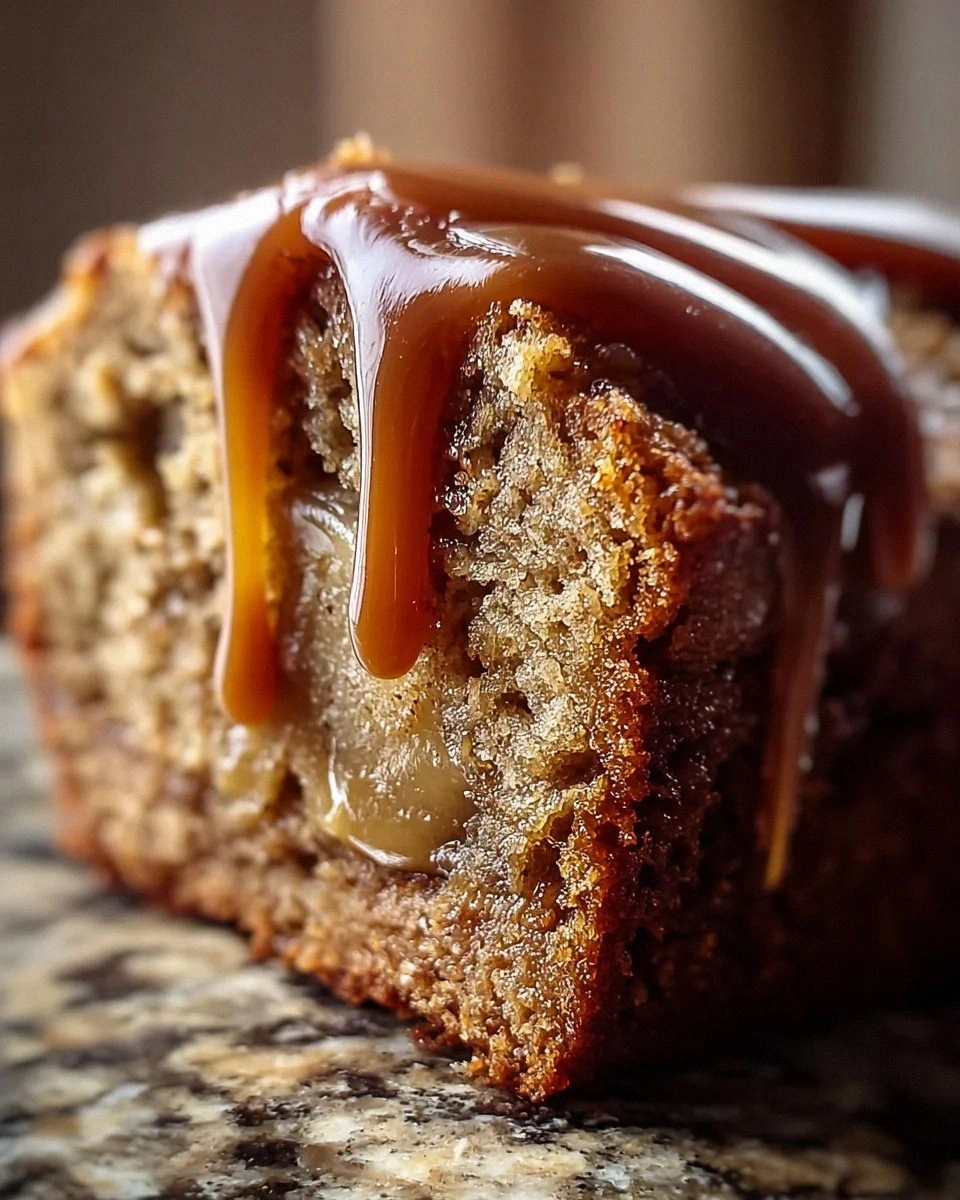
Picture this: the moment the batter hits the pan, a gentle hiss sings like a choir of tiny violins, and the aroma of cinnamon and nutmeg curls around the room, wrapping you in a warm blanket of nostalgia. Your eyes catch the golden‑brown crust forming, the edges pulling away just enough to reveal a soft, pillowy interior that seems to melt on the tongue. The first bite is a symphony—sweet banana, buttery richness, and a caramel swirl that oozes like liquid amber. It’s not just bread; it’s an experience that makes you close your eyes and whisper, “I’m home.”
Most banana‑bread recipes get the texture wrong. They’re either dry as a desert or soggy like a rain‑soaked sponge. This version, however, hits the sweet spot with a crumb that’s as moist as a summer rain and as tender as a newborn kitten. The secret? A generous swirl of dulce de leche that creates pockets of caramel goodness, and a precise balance of sugars that keeps the loaf from collapsing while still delivering that buttery richness we all crave.
I’m about to spill the beans on the technique that makes this loaf so unbelievably moist. It’s a simple trick that most bakers overlook: gently folding the dry ingredients into the wet ones, preserving the air bubbles that give the bread its lift. I dare you to taste this and not go back for seconds. And if you’ve ever struggled with a dense, heavy loaf, you’re not alone — I’ve been there, and I’ve got the fix.
Let me walk you through every single step — by the end, you’ll wonder how you ever made it any other way.
What Makes This Version Stand Out
- Moisture: The combination of melted butter, two kinds of sugar, and the dulce de leche swirl locks in moisture, creating a crumb that stays tender for days.
- Flavor Depth: Brown sugar adds caramel notes, while cinnamon and nutmeg bring a warm spice profile that sings with every bite.
- Simplicity: Only eleven ingredients, all pantry staples, no fancy equipment—just a mixing bowl and love.
- Visual Appeal: The caramel swirl creates a marbled look that makes the loaf Instagram‑ready before it even cools.
- Crowd Reaction: Friends and family declare it “the best banana bread ever” and beg for the recipe, often asking for it a second time in the same week.
- Ingredient Quality: Using very ripe bananas and real dulce de leche elevates the flavor beyond the ordinary store‑bought mixes.
- Baking Method: The gentle fold technique keeps the batter airy, preventing a dense, gummy texture.
- Make‑Ahead Potential: This loaf freezes beautifully; just reheat with a splash of water for that fresh‑out‑of‑the‑oven feel.
Inside the Ingredient List
The Flavor Base
Very ripe large bananas are the heart of this loaf. Their natural sugars have broken down, giving you that deep, almost honeyed sweetness without needing extra syrup. If you skip the bananas or use under‑ripe ones, the loaf will taste bland and the texture will suffer. Look for bananas with a lot of brown spots; the darker, the better. A good rule of thumb: if you can’t tell the banana from a chocolate‑brown shoe, you’re good to go.
The Texture Crew
Unsalted butter or neutral oil provides the fat that makes the crumb tender. Butter adds a rich, buttery flavor, while oil keeps the loaf extra moist without the buttery flavor overpowering the bananas. Granulated sugar and packed light brown sugar work together: the white sugar sweetens, and the brown sugar adds moisture and a subtle caramel note. Large eggs bind everything together and add lift; room‑temperature eggs incorporate more easily, preventing a curdled batter.
The Unexpected Star
Dulce de leche is the game‑changer. When swirled in, it creates pockets of gooey caramel that melt into the crumb as it bakes. If you omit it, you’ll still have a great banana bread, but you’ll miss that luxurious surprise that makes this version unforgettable. A quick tip: warm the dulce de leche slightly before swirling so it spreads evenly without clumping.
The Final Flourish
All‑purpose flour forms the structure, while baking soda gives the rise. Fine sea salt balances the sweetness and heightens the flavor of the bananas and spices. Ground cinnamon and nutmeg add warmth; a pinch of nutmeg can turn a good loaf into an exceptional one. If you’re feeling adventurous, substitute a quarter of the flour with whole‑wheat for a nuttier crumb, but keep the ratios balanced to maintain moisture.
Everything's prepped? Good. Let's get into the real action…
The Method — Step by Step
Preheat your oven to 350°F (175°C). While the oven warms, grease a 9×5‑inch loaf pan with butter or line it with parchment paper. This step ensures the loaf releases cleanly, and the pan’s heat distribution will give you that coveted golden crust. I always let the pan sit on the counter for a minute to reach room temperature; it prevents a sudden temperature shock that can cause the batter to contract.
Melt 1/2 cup unsalted butter in a saucepan over low heat, or measure out 1/2 cup neutral oil if you prefer a lighter flavor. Once melted, set aside to cool just a touch— you don’t want it scorching hot, or it will scramble the eggs later. This is the moment of truth: the butter should have a faint nutty aroma, a sign that it’s ready to coat the sugars.
In a large mixing bowl, combine 1 cup granulated sugar and 1 cup packed light brown sugar. Pour the melted butter (or oil) over the sugars and whisk until the mixture is glossy and slightly thickened. You’ll notice the mixture becomes a pale amber color— that’s the caramel base forming, and it’s a good indicator you’ve got the right consistency.
Add 2 large eggs, one at a time, beating well after each addition. Then stir in 1 tsp vanilla extract (or the equivalent amount of vanilla bean paste). The batter should look smooth and glossy, with a faint sheen that tells you the emulsion is perfect. If you see any lumps, keep whisking— the goal is a uniform, velvety texture.
Mash 3 very ripe large bananas in a separate bowl until almost pureed, leaving a few small chunks for texture. Fold the mashed bananas into the wet mixture using a spatula, moving in a gentle, circular motion. This is where the banana flavor really starts to bloom, and you’ll hear a soft, satisfying thump as the bananas merge with the butter‑sugar‑egg blend.
In another bowl, whisk together 2 cups all‑purpose flour, 1 tsp baking soda, 1 tsp fine sea salt, 1 tsp ground cinnamon, and 1/4 tsp ground nutmeg. This dry mix should be evenly combined, with no streaks of flour. The baking soda will react with the banana’s natural acidity, creating lift that makes the crumb airy.
Create a well in the center of the dry ingredients and gently fold the dry mix into the wet batter. Use a rubber spatula, turning the bowl over and over, until just combined. The batter should be slightly lumpy; that’s the secret to a tender crumb. If you see large flour pockets, keep folding— you want a uniform but not over‑worked batter.
Warm 1/4 cup dulce de leche in the microwave for about 15 seconds until it’s pourable but not bubbling. Drizzle the dulce de leche over the top of the batter, then use a knife or skewer to swirl it through, creating a marbled effect. This step is pure magic: the caramel ribbons will melt into the loaf, leaving pockets of gooey sweetness that surprise the eater with each bite.
Pour the batter into the prepared loaf pan, smoothing the top with a spatula. Place the pan in the preheated oven and bake for 30–35 minutes, or until a toothpick inserted into the center comes out with just a few moist crumbs. Around the 25‑minute mark, you’ll hear a faint crackling from the crust— that’s the sound of the caramel caramelizing and the loaf forming that perfect crust.
When the loaf is done, remove it from the oven and let it rest in the pan for 10 minutes. Then turn it out onto a wire rack to cool completely. The cooling step allows the crumb to set, preventing it from falling apart when sliced. While you wait, the kitchen will be filled with an intoxicating aroma that makes you want to dive right in— but patience, my friend, patience.
That's it — you did it. But hold on, I've got a few more tricks that'll take this to another level...
Insider Tricks for Flawless Results
The Temperature Rule Nobody Follows
Never bake a banana bread at a temperature higher than 350°F. Higher heat creates a crust too quickly, leaving the interior undercooked. By keeping the oven at a moderate temperature, the loaf rises evenly and the caramel swirl has time to melt into the crumb. I once tried 375°F on a whim; the result was a burnt top and a gummy middle— lesson learned.
Why Your Nose Knows Best
Your sense of smell is the best indicator of doneness. Around the 28‑minute mark, you’ll notice a sweet, toasted aroma filling the kitchen. If that scent is strong and inviting, it’s a good sign the loaf is ready. Trust your nose more than the timer; ovens vary, and the aroma tells you exactly when the caramel has caramelized to perfection.
The 5‑Minute Rest That Changes Everything
Allowing the loaf to rest for five minutes in the pan after removing it from the oven lets the steam finish cooking the interior gently. This short rest prevents the crumb from collapsing when you turn the loaf out onto a rack. Skipping this step results in a crumb that’s a little too crumbly, especially if you love slicing thick pieces.
The Butter‑Oil Blend Boost
Using half butter and half neutral oil gives you the best of both worlds: buttery flavor and extra moisture. The oil keeps the loaf from drying out, while the butter adds richness that you can taste on the palate. If you’re vegan, substitute the butter with coconut oil and the eggs with flax “eggs,” and you’ll still get a moist result.
The “Steam‑Back” Reheat
When reheating leftover slices, sprinkle a tiny splash of water on the plate and cover with foil before microwaving for 20 seconds. The steam revives the crumb’s softness, making it taste as fresh as the day it came out of the oven. Without this trick, reheated banana bread can become dry and rubbery.
Creative Twists and Variations
This recipe is a playground. Here are some of my favorite ways to switch things up:
Chocolate Chip Banana Swirl
Add ½ cup mini chocolate chips to the batter and swirl in a tablespoon of Nutella instead of dulce de leche. The chocolate pairs beautifully with the banana, creating a decadent treat that kids adore.
Coconut‑Lime Breeze
Replace half the butter with coconut oil, add ¼ cup shredded coconut to the dry mix, and zest a lime into the batter. The result is a tropical loaf that transports you to a beachside café.
Apple‑Cinnamon Crunch
Fold in 1 cup diced peeled apples and sprinkle a crumble topping made from flour, brown sugar, and butter. The apples add moisture while the crumble adds a satisfying crunch.
Espresso‑Rum Delight
Add 1 tsp instant espresso powder to the dry ingredients and a splash of rum to the wet mix. The coffee deepens the flavor, and the rum adds an adult‑only twist that’s perfect for brunch.
Savory Herb Banana Bread
Swap the cinnamon and nutmeg for 1 tsp dried rosemary and a pinch of cracked black pepper. Add grated cheddar into the batter for a savory loaf that pairs wonderfully with soups.
Storing and Bringing It Back to Life
Fridge Storage
Wrap the cooled loaf tightly in plastic wrap or store it in an airtight container. It will stay fresh for up to 5 days in the refrigerator. For slice‑by‑slice convenience, keep a slice in a small zip‑lock bag and pull it out as needed.
Freezer Friendly
Slice the loaf before freezing, then wrap each slice in parchment paper and place them in a freezer bag. The loaf will keep for up to 3 months. When you’re ready to enjoy, toast the slice straight from the freezer or microwave with a splash of water for that “just‑baked” feel.
Best Reheating Method
To revive a slice, preheat your oven to 300°F (150°C), place the slice on a baking sheet, and cover loosely with foil for 10 minutes. The gentle heat restores the crumb’s softness while the foil prevents the top from drying out. If you’re in a hurry, a microwave with a dab of water and a short 15‑second burst works well, but the oven method is unbeatable for texture.