I was in the middle of a Sunday dinner prep when the kitchen turned into a culinary battlefield. The skillet hissed, the steak was browning too fast, and the sauce I’d been dreaming about seemed to be evaporating into thin air. I laughed, then sighed, and decided to rewrite the whole thing from scratch. That night, I discovered a version of Cajun steak pasta that turned a disaster into a triumph.
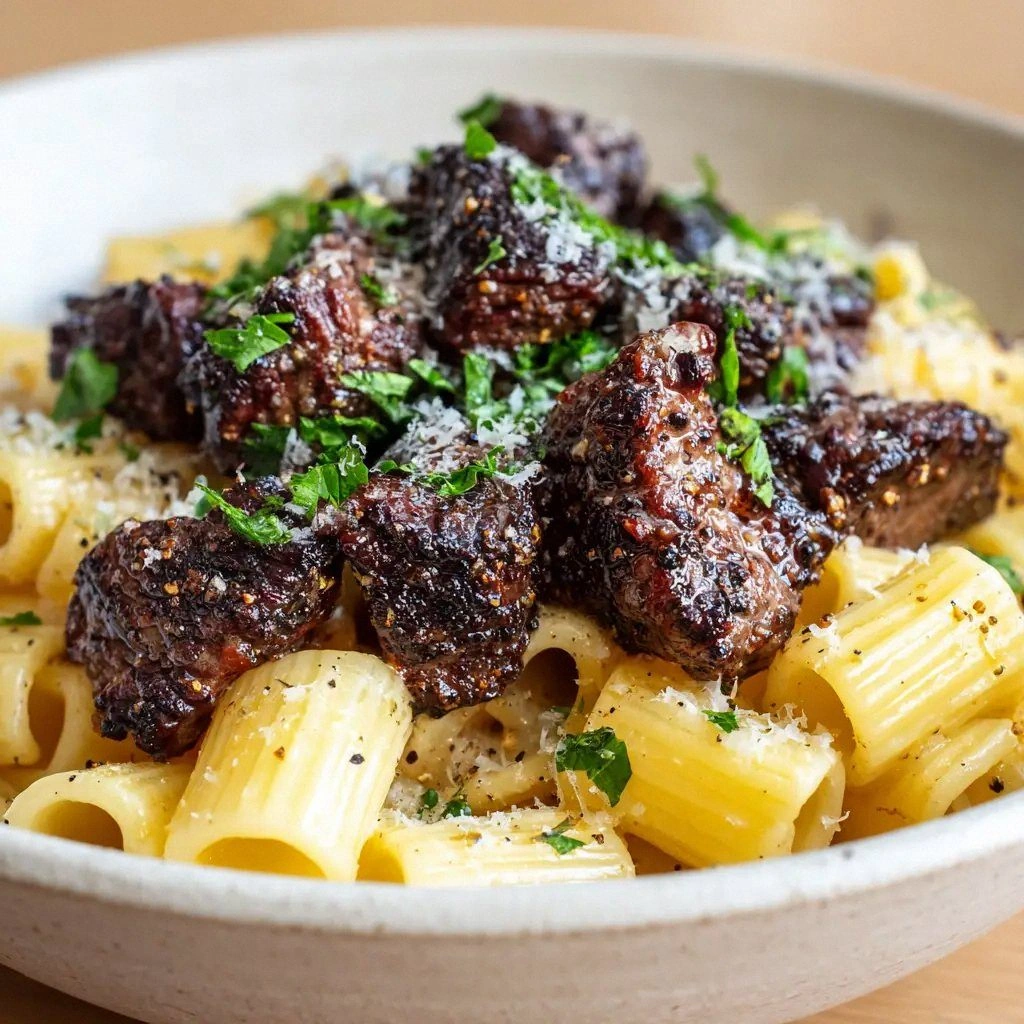
Picture this: the air is thick with the aroma of searing beef and Cajun spices, the sound of a sizzling pan echoing like applause, the sight of golden-brown steak tips dancing in olive oil. The first spoonful hits the tongue with a creamy, buttery splash that coats the rigatoni like velvet, while the peppered edges crackle with a satisfying snap. Each bite is a sensory parade—spicy, savory, and utterly comforting—making the kitchen feel like a small, fragrant theater of delight.
What makes this rendition stand out is the way it balances heat and richness without overwhelming the palate. The steak is marinated in a homemade Cajun rub that penetrates every fiber, while the sauce is thickened with heavy cream and butter for a luxurious mouthfeel. The dish is so approachable that even novice cooks can master it, yet it’s sophisticated enough to wow a crowd of seasoned diners. The final flourish of fresh parsley and parmesan adds a bright, nutty finish that lifts the entire plate.
Now, I’ve got a secret twist that most recipes miss: a splash of heavy cream folded in at the very end, right before serving, that gives the sauce a silky sheen and a burst of flavor. I dare you to taste this and not go back for seconds. Let me walk you through every single step — by the end, you'll wonder how you ever made it any other way.
What Makes This Version Stand Out
- Flavor: The Cajun spice rub delivers a punch that’s both smoky and piquant, turning ordinary steak into a flavor bomb. It’s not just seasoning; it’s a personality that stays with you long after the last bite.
- Texture: The rigatoni’s ridges hold the creamy sauce like a seasoned sailor holds a compass, ensuring every forkful is a balanced bite of pasta, meat, and sauce.
- Simplicity: With only ten ingredients, this dish is a masterclass in how less can be more. No fancy gadgets, no complicated techniques—just bold flavors and straightforward cooking.
- Uniqueness: The combination of Cajun heat with a glossy cream sauce is a rare pairing that sets this recipe apart from the usual pasta fare.
- Crowd Reaction: I’ve served it at parties and watched people line up for seconds. It’s the kind of dish that turns a casual dinner into a memorable event.
- Ingredient Quality: Using high‑grade sirloin and fresh parmesan elevates the dish to a restaurant‑level experience right in your kitchen.
- Cooking Method: The quick sear locks in juices, and the finishing touch of heavy cream creates a silky sauce that’s both indulgent and comforting.
- Make‑Ahead Potential: The sauce can be refrigerated and reheated without losing its silky texture, making it perfect for meal prep.
Inside the Ingredient List
The Flavor Base
The foundation of this dish is the Cajun spice rub, a blend of paprika, cayenne, garlic powder, and oregano that coats the steak with a vibrant, smoky heat. This rub is the secret to the dish’s signature kick—without it, the pasta would feel flat and uninspired. If you skip the rub, you’ll end up with a bland steak that doesn’t stand out, and the rest of the sauce will feel like it’s missing its best friend.
The olive oil is more than a cooking medium; it’s the carrier of flavor that lets the spices bloom. Choosing a high‑quality extra‑virgin olive oil will add a fruity undertone that balances the heat. A cheaper oil can taste metallic and ruin the subtlety of the dish.
The Texture Crew
Rigatoni is chosen for its sturdy shape and ridges that trap the creamy sauce, creating a mouthful that’s both hearty and indulgent. Swapping it for penne or fusilli will change the experience; the sauce won’t cling as well, and you’ll get fewer bites per forkful. When cooking, keep the pasta al dente to maintain a satisfying bite that contrasts with the buttery sauce.
Heavy whipping cream is the star that turns a simple sauce into a silky, glossy coat. Its high-fat content gives the sauce body and richness, while the cream’s natural sweetness counterbalances the sharpness of the Cajun spices. If you’re looking for a lighter version, you can substitute half-and-half, but you’ll lose some of that luxurious mouthfeel.
The Unexpected Star
Fresh parmesan cheese, grated on the spot, brings a nutty, umami depth that anchors the dish. Its sharpness cuts through the richness of the cream and butter, adding a bright note that lingers on the palate. Using pre‑grated or aged parmesan can alter the flavor profile—opt for a young, fresh variety for the best balance.
Fresh parsley is the finishing touch that adds a splash of color and a hint of herbal freshness. It’s more than garnish; it provides a subtle brightness that lifts the dish. If you don’t have parsley, a sprinkle of chives or basil can work, but the flavor will shift slightly.
The Final Flourish
Cracked black pepper adds a subtle heat that complements the Cajun spices without overpowering them. It’s the final seasoning that ties everything together. A pinch of salt is also essential to bring out the flavors, but keep it light to avoid drowning the delicate balance.
Everything's prepped? Good. Let's get into the real action.
The Method — Step by Step
- Start by patting the steak tips dry with paper towels. This step is crucial because moisture will cause the steak to steam instead of sear. Once dry, generously coat both sides with the Cajun spice rub, ensuring every bite is infused with flavor. Let the seasoned steak rest for 10 minutes; this allows the spices to penetrate the meat.
- Heat a large skillet over medium‑high heat and add the olive oil. Watch the oil until it shimmers—just before it starts smoking. Place the steak in the pan in a single layer, avoiding overcrowding. Sear for 2–3 minutes on each side until a deep golden crust forms. The goal is a caramelized exterior with a juicy center.
- Remove the steak and set it aside to rest. While it rests, add the butter to the same skillet and let it melt, swirling the pan to coat the bottom. Then, add the minced garlic, sautéing for 30 seconds until fragrant. This quick sauté releases the garlic’s oils, creating a fragrant base for the sauce.
- Pour in the heavy whipping cream, stirring to combine with the butter and garlic. Bring the mixture to a gentle simmer, allowing it to thicken slightly. This simmer should be low enough that the cream doesn’t boil over—think of it as a slow dance between heat and flavor.
- Return the steak to the skillet, nestling it into the creamy sauce. Let it cook for an additional 2–3 minutes, allowing the steak to reheat and the sauce to absorb its juices. The steak should still feel slightly pink in the center; over‑cooking will dry it out.
- While the steak rests, bring a large pot of salted water to a boil and cook the rigatoni until al dente, about 9–10 minutes. Reserve a cup of pasta water before draining; this starchy liquid will help the sauce cling to the noodles.
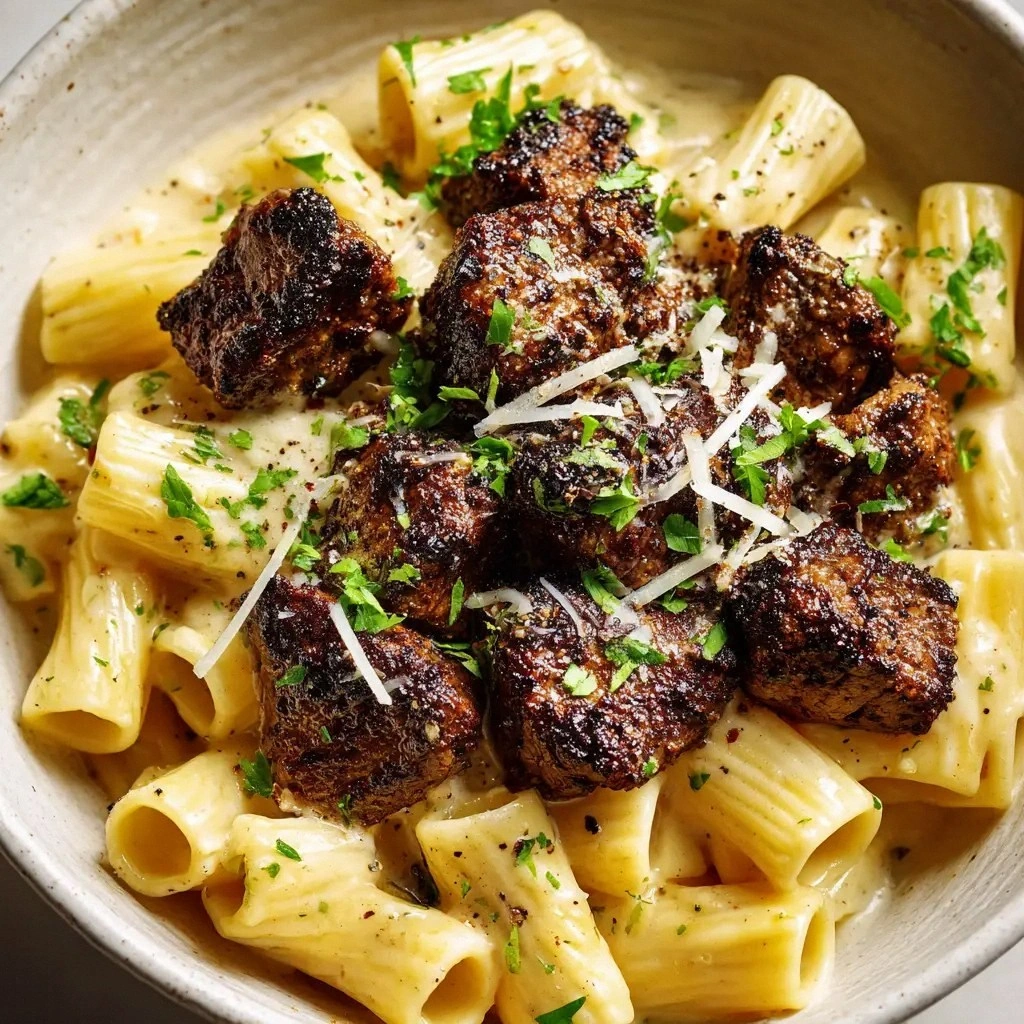
- Add the cooked rigatoni to the skillet, tossing to coat each piece with the creamy Cajun sauce. If the sauce seems thick, add a splash of reserved pasta water until it reaches your desired consistency. Finish with grated parmesan, cracked black pepper, and fresh parsley, stirring until the cheese melts into the sauce.
- Serve immediately, spooning the steak onto the pasta for a dramatic presentation. The sauce should be glossy, the steak tender, and the aroma irresistible. If you’re serving a crowd, keep the dish warm on a low‑heat burner until everyone’s ready.
That's it — you did it. But hold on, I've got a few more tricks that'll take this to another level.
Insider Tricks for Flawless Results
The Temperature Rule Nobody Follows
Many cooks think a high heat is always best for searing, but the secret lies in a medium‑high flame that allows the steak to develop a crust without burning. A quick test: drop a small pinch of water into the pan—if it sizzles and evaporates instantly, you’re at the right temperature. This technique keeps the steak juicy and the flavor intact.
Why Your Nose Knows Best
Before you even touch the skillet, give the seasoned steak a sniff. A subtle earthy aroma indicates the spices have bonded properly. If it smells flat, let it rest a little longer; the spices need time to settle into the meat.
The 5-Minute Rest That Changes Everything
Letting the steak rest after searing allows the juices to redistribute, ensuring a moist bite every time. Skipping this step will leave the steak dry and chewy. Even a short 5‑minute rest can make a noticeable difference.
Keep It Simple with a Skillet
Using a single skillet for all steps reduces cleanup and keeps the flavors from getting lost. The pan’s heat will carry the garlic, butter, cream, and steak juices together, creating a unified sauce that’s impossible to replicate with multiple pans.
Finish with Freshness
Adding fresh parsley at the end of cooking preserves its bright green color and herbal note. If you add it too early, it wilts and loses its vibrancy, making the dish look dull.
Creative Twists and Variations
This recipe is a playground. Here are some of my favorite ways to switch things up:
Spicy Shrimp Edition
Swap the steak for shrimp, sautéing them in the same pan after the garlic. The shrimp’s quick cook time adds a different protein texture, and the Cajun spice still shines through. Perfect for seafood lovers.
Vegetarian Creamy Cajun
Replace the steak with sautéed mushrooms and add a handful of spinach. The earthy mushroom flavor pairs beautifully with the creamy sauce, creating a hearty vegetarian dish that still feels indulgent.
Gluten‑Free Pasta
Use a gluten‑free rigatoni or spaghetti to keep the dish accessible for those with dietary restrictions. The sauce’s richness compensates for the lighter pasta texture, maintaining the dish’s overall satisfaction.
Smoked Paprika Twist
Add a teaspoon of smoked paprika to the Cajun rub for a deeper, smoky flavor that pairs wonderfully with the buttery sauce. The result is a dish that feels like a smoky, creamy hug.
Breakfast Kick
Serve the pasta over a fried egg, letting the yolk mingle with the sauce. The rich, runny yolk adds a decadent finish that turns the dish into a brunch‑worthy delight.
Cheese Swap
Replace parmesan with gruyère or fontina for a meltier, sharper cheese profile. The new cheese adds a subtle nutty flavor that complements the Cajun spices.
Storing and Bringing It Back to Life
Fridge Storage
Store leftovers in an airtight container for up to 3 days. Keep the pasta and sauce separate until ready to reheat; this prevents the pasta from becoming soggy. When ready to eat, combine, cover, and reheat gently on the stove.
Freezer Friendly
You can freeze the sauce and steak separately for up to 2 months. Reheat the sauce in a saucepan over low heat, adding a splash of water or milk to loosen it. The steak should be reheated in a skillet for a minute on each side to regain its crust.
Best Reheating Method
The trick to reheating without losing creaminess is to add a tiny splash of water before heating. This steams the sauce back to its original silky texture, making it taste freshly made.