My First Bite of Summer on a Plate
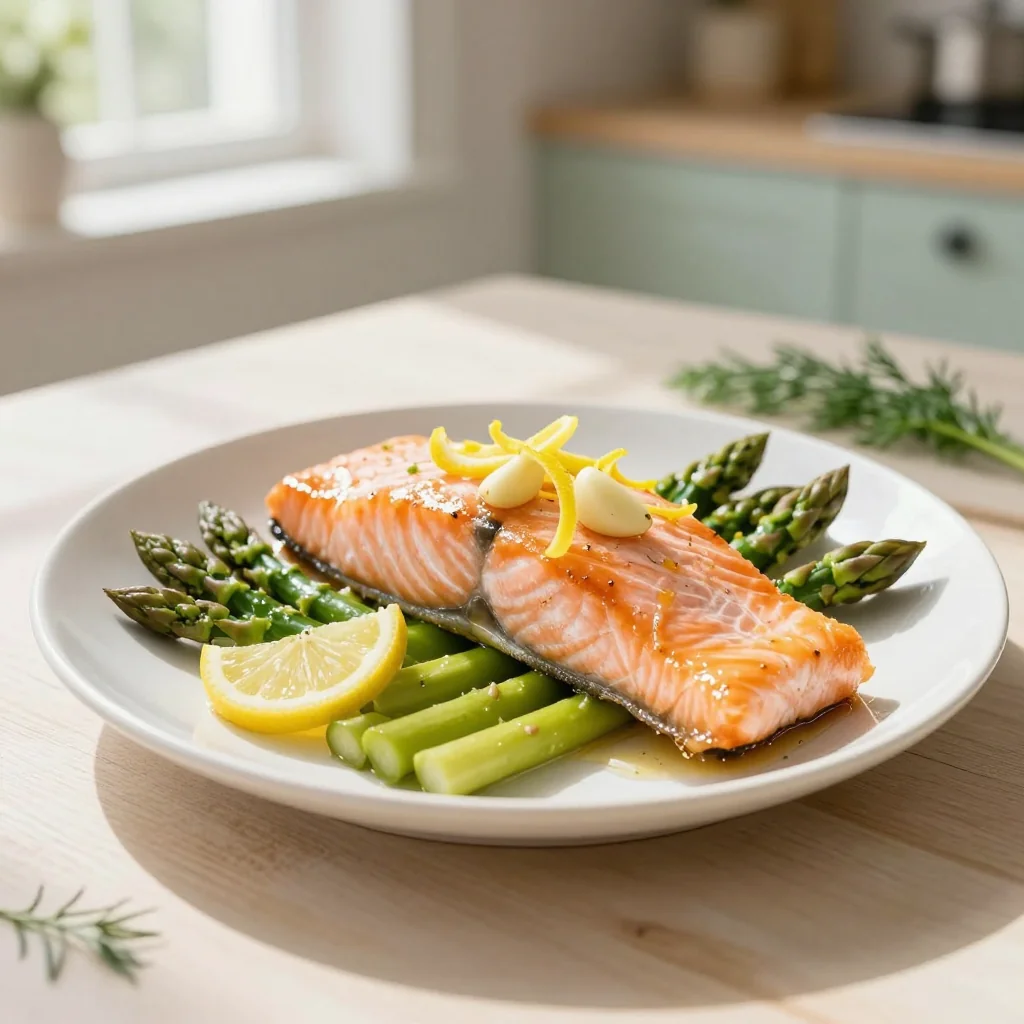
I still remember the first time I tasted a perfectly cooked salmon fillet, its flesh glistening with a buttery sheen and a whisper of citrus that seemed to capture the very essence of a sunny afternoon. I was staying at a coastal cottage in Maine, and the local fisherman had just delivered the morning’s catch. My host, a seasoned chef, whisked together fresh lemon, minced garlic, and a drizzle of olive oil, then tossed the fish onto a hot skillet alongside a handful of bright green asparagus. The aroma that filled the kitchen was intoxicating – a blend of sea breezes, lemon zest, and the earthy scent of garlic that made my mouth water before the first bite.
This simple yet elegant dish has its roots in Mediterranean coastal cooking, where the focus is always on letting high‑quality ingredients shine. The combination of salmon, a protein rich in omega‑3 fatty acids, with asparagus, a spring vegetable bursting with vitamins, creates a nutritional powerhouse that feels indulgent without being heavy.
In this article, I’ll walk you through every detail of the recipe, from selecting the freshest salmon to mastering the perfect sear, ensuring you can recreate that unforgettable flavor in your own kitchen. You’ll learn how to balance the bright acidity of lemon with the savory depth of garlic, and why a one‑pan approach saves time while delivering restaurant‑quality plating.
So roll up your sleeves, preheat your skillet, and let’s dive into a dish that will quickly become a staple on your dinner table.
🌟 Why This Recipe Will Win Your Heart
Lemon Garlic Salmon with Asparagus isn’t just another fish recipe; it’s a celebration of simplicity, nutrition, and flavor that fits any lifestyle.
- ✨ Quick & Healthy Meal: Ready in under 30 minutes, this dish packs lean protein, heart‑healthy fats, and a serving of vegetables, making it ideal for busy weekdays.
- ✨ Burst of Fresh Flavors: The citrusy lemon brightens the natural richness of salmon while garlic adds a comforting depth, creating a harmonious palate experience.
- ✨ Perfect Balance of Protein & Veggies: Each serving delivers about 35 g of protein alongside crisp asparagus, ensuring sustained energy and satiety.
- ✨ Simple One‑Pan Cooking: By cooking the salmon and asparagus together, you minimize cleanup and keep the flavors locked in.
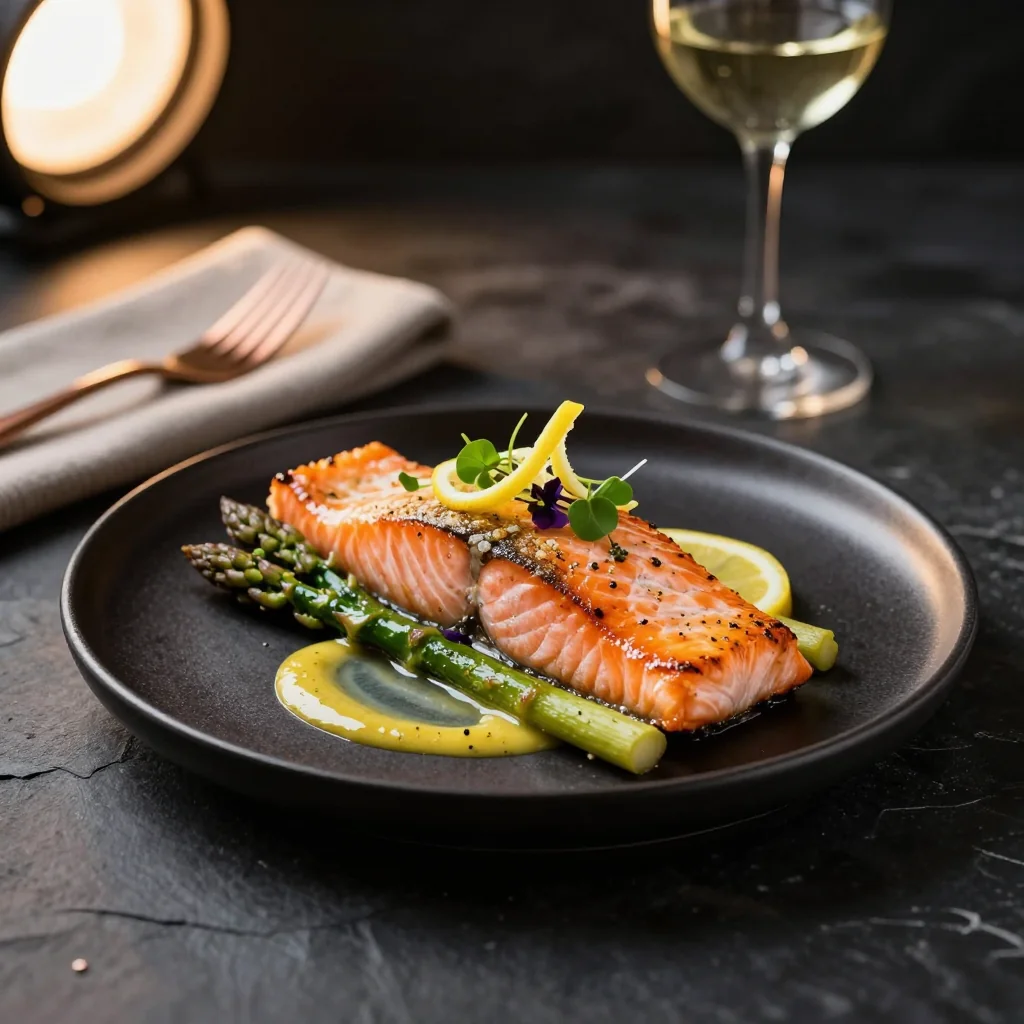
- ✨ Elegant Yet Easy Presentation: The vibrant green spears frame the pink fillets, offering a restaurant‑style visual that impresses guests without extra effort.
- ✨ Versatile for Any Occasion: Whether it’s a quick family dinner, a dinner‑party centerpiece, or a meal‑prep staple, this recipe adapts effortlessly.
🥗 Ingredients
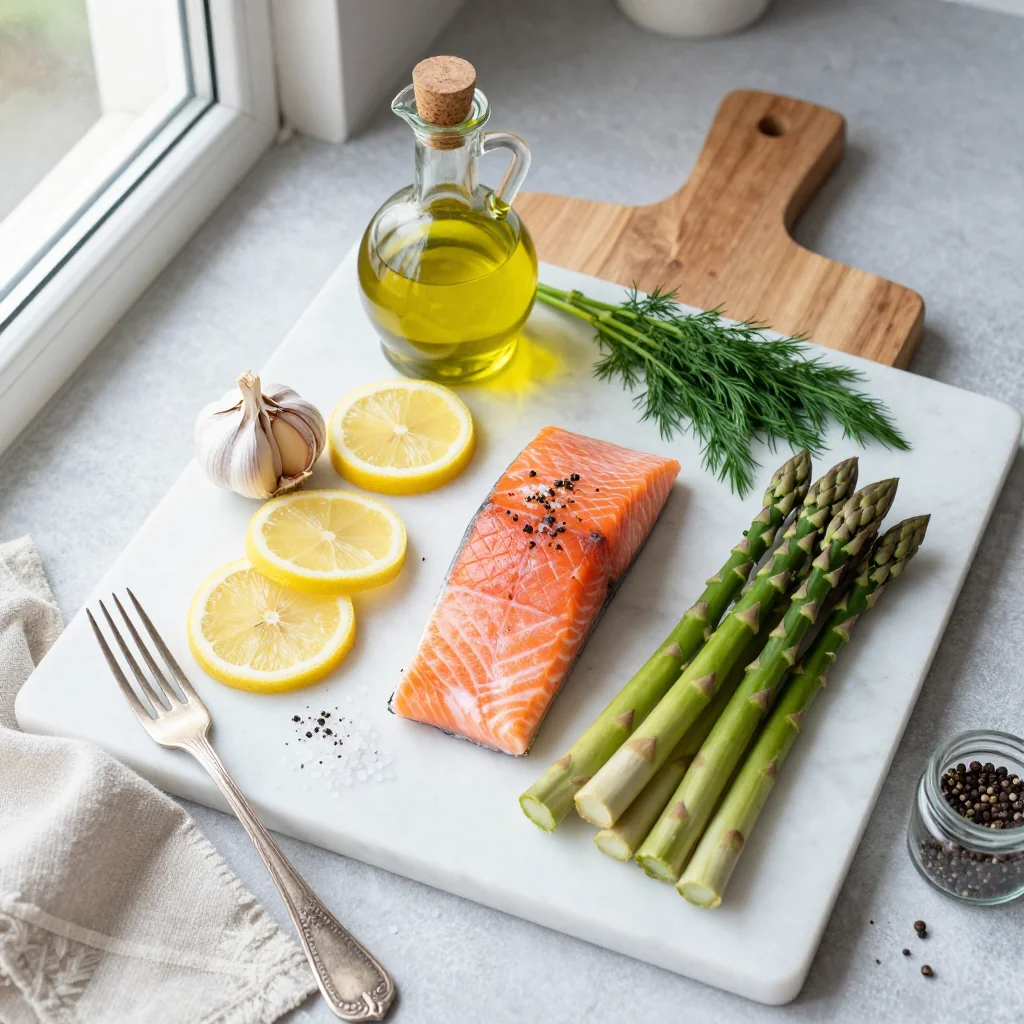
📝 Complete Ingredient List
For the Salmon:
For the Asparagus:
For the Garnish:
🔍 Focus on Key Ingredients
Salmon Fillets
Salmon is prized for its buttery texture and high omega‑3 fatty acid content, which support heart health and reduce inflammation. When selecting salmon, opt for wild‑caught varieties with firm flesh that springs back when pressed. The natural oils in salmon help keep the fish moist during searing, ensuring each bite is succulent.
Asparagus
Asparagus brings a crisp, slightly grassy flavor that balances the richness of the salmon. It’s a springtime staple packed with vitamin K, folate, and antioxidants. Trim the woody ends by gently bending each spear until it snaps – this removes the tougher part and leaves you with tender, flavorful stalks.
Lemon & Garlic
The lemon provides a bright acidity that cuts through the fatty salmon, while garlic adds a warm, aromatic depth. Using fresh lemon zest intensifies the citrus aroma, and crushing garlic cloves releases allicin, which contributes both flavor and potential health benefits.
🔄 Quick Substitutions
| If you don’t have... | Use instead... |
|---|---|
| Salmon | Trout or Arctic char |
| Asparagus | Green beans or broccolini |
| Olive oil | Avocado oil or grapeseed oil |
👨🍳 Step‑by‑Step Instructions
Follow these detailed steps to create a perfectly seared salmon with tender, garlicky asparagus. The process is straightforward, but each stage includes tips to ensure maximum flavor and texture.
📋 Phase 1: Preparation & Mise en Place
Getting everything ready before you heat the pan makes the cooking process smooth and stress‑free.
Prepare the Salmon
Pat the salmon fillets dry with paper towels; this removes excess moisture and promotes a golden crust. Drizzle each fillet with ½ tbsp of olive oil, then season generously with salt, pepper, and the dried oregano. Let the seasoned fish rest for 5 minutes while you prep the asparagus – this brief rest allows the seasoning to penetrate the flesh.
Trim and Season the Asparagus
Snap off the woody ends of the asparagus by gently bending each spear; it will break at its natural point. Toss the spears with 1 tbsp olive oil, a pinch of salt, and a grind of black pepper. Set aside in a single layer on a plate – this ensures even cooking later.
🔥 Phase 2: Cooking & Assembly
Now the flavors start to meld as the salmon and asparagus hit the heat.
Sear the Salmon
Heat a large non‑stick skillet over medium‑high heat until shimmering. Add the remaining ½ tbsp olive oil, then place the salmon fillets skin‑side down (if skin is on) or presentation side down if skinless. Cook for 4‑5 minutes without moving, allowing a crisp, caramelized crust to form. Flip carefully and cook another 3‑4 minutes, until the flesh is opaque up to the edges but still slightly pink in the center.
Add Garlic & Lemon
Push the salmon to the side of the pan, add the minced garlic, lemon zest, and lemon juice. Sauté for 30 seconds, stirring constantly to avoid burning. The mixture should become fragrant and slightly bubbly, coating the salmon with a glossy, citrus‑garlic glaze.
Cook the Asparagus
Slide the seasoned asparagus into the pan, arranging them around the salmon. Toss gently so the spears absorb some of the lemon‑garlic oil. Cook for 4‑5 minutes, turning once, until they are bright green and just tender‑crisp. If the pan looks dry, add a splash of water or broth to steam the spears without losing the sear.
✨ Phase 3: Finishing & Plating
The final touches turn a good dish into a spectacular one.
Check Doneness
Insert a thin knife into the thickest part of the salmon; the juices should run clear, and the flesh should flake easily. The internal temperature should read 57 °C (135 °F) for a moist, medium‑rare center.
Plate the Dish
Transfer the salmon fillets to a serving platter, arranging the asparagus spears alongside. Drizzle any remaining pan sauce over the top, and sprinkle the fresh chopped parsley for a burst of color and freshness.
Serve Immediately
Serve hot, paired with a crisp white wine or sparkling water with a slice of lemon. The dish holds its own as a main course, a lunchbox star, or a sophisticated plate for guests.
💡 Expert Tips & Tricks
🛒 Choosing the Best Ingredients
When buying salmon, look for fillets that are firm to the touch and have a deep pink hue without any brown spots. Wild‑caught salmon often has a richer flavor than farmed varieties. For asparagus, choose spears that are uniform in thickness and snap easily when bent – this indicates tenderness. Fresh lemons should feel heavy for their size and have a bright, unblemished rind. Finally, use extra‑virgin olive oil for its fruity notes; it pairs beautifully with both fish and vegetables.
🔪 Preparation Techniques
Patting the salmon dry is crucial; moisture creates steam, preventing a golden crust. Trim the asparagus by holding the stalk near the bottom and bending; the natural break point removes the fibrous end. Mince garlic just before cooking to preserve its pungent flavor, and zest the lemon with a microplane to capture the aromatic oils without the bitterness of the white pith.
🌡️ Mastering the Cook
Use a skillet that can retain high heat, such as cast iron or heavy‑bottomed stainless steel. Preheat the pan until a drop of water sizzles and evaporates instantly. This ensures the salmon sears quickly, locking in juices. Keep the heat at medium‑high; if the butter or oil starts to smoke, lower it slightly to avoid burnt flavors. The garlic should only be sautéed for 30 seconds – longer will make it bitter.
🍽️ Presentation & Service
Plate the salmon on a wide, shallow dish to showcase the vibrant asparagus spears. Drizzle the pan sauce in a thin, elegant stream to create a glossy finish. Finish with a sprinkling of chopped parsley and an extra twist of lemon zest for visual contrast. Serve with a side of quinoa or a light salad for a complete, balanced meal.
🏆 Pro Tips
The difference between a good home‑cooked dish and a restaurant‑level masterpiece often lies in the subtle details.
- 🎯 Temperature Control: Start with a hot pan, then lower the heat after the salmon forms a crust. This prevents the exterior from burning while the interior reaches the perfect medium‑rare temperature.
- 🎯 Layered Flavor: Add a splash of white wine after the garlic softens; the acidity deglazes the pan, lifting caramelized bits and enriching the sauce.
- 🎯 Butter Finish: Stir in a teaspoon of cold unsalted butter at the end of cooking. The butter emulsifies with the lemon‑garlic oil, creating a velvety glaze that coats the fish and asparagus.
- 🎯 Resting the Fish: Let the salmon rest for 2‑3 minutes off the heat before serving. This allows the juices to redistribute, keeping each bite moist.
- 🎯 Asparagus Texture: For extra‑crisp asparagus, blanch the spears in boiling water for 1 minute, then shock them in ice water before sautéing. This preserves their bright color and snap.
- 🎯 Garnish Balance: Use fresh herbs sparingly; a light sprinkle of parsley adds freshness without overwhelming the delicate citrus notes.
"Cooking is about balance – the harmony of flavors, textures, and colors. This salmon dish embodies that philosophy." — Chef Massimo Bottura
🔄 Variations & Adaptations
One of the joys of a versatile recipe is the ability to tweak it for dietary needs, flavor cravings, or seasonal produce.
🥬 Vegetarian / Vegan Version
Swap the salmon for firm tofu or thick-cut tempeh. Marinate the tofu in the same lemon‑garlic mixture for at least 30 minutes, then pan‑sear until golden. The asparagus remains unchanged, offering the same crisp texture.
- Use 400 g extra‑firm tofu, pressed and sliced into ½‑inch slabs.
- Replace the fish sauce with 1 tbsp soy sauce for an umami boost.
🌶️ Flavor Variations
Experiment with global twists by adjusting herbs, spices, or accompanying sides.
Spicy Cajun Version:
Mix 1 tsp Cajun seasoning into the salmon before searing, and add a pinch of red pepper flakes to the asparagus. Serve with a side of corn‑bread for a Southern flair.
Mediterranean Version:
Add ½ cup cherry tomatoes and a handful of Kalamata olives during the final cooking stage. Finish with crumbled feta and a drizzle of extra‑virgin olive oil.
Asian‑Inspired Version:
Replace lemon juice with 2 tbsp rice vinegar and add 1 tsp grated ginger. Garnish with toasted sesame seeds and sliced scallions for an umami‑rich experience.
⚠️ Dietary Adaptations
Gluten‑Free:
All ingredients are naturally gluten‑free. Ensure any soy sauce used in variations is labeled gluten‑free.
Lactose‑Free:
No dairy is present in the base recipe. If you add butter in the pro tips, substitute with a plant‑based butter.
Low‑Calorie:
Reduce olive oil to 1 tbsp total, and replace salmon with a lean white fish such as cod. Serve over a bed of mixed greens instead of starchy sides.
👶 Family / Kid‑Friendly Version
Kids often prefer milder flavors. Omit the oregano and reduce the garlic to 1 clove. Serve the salmon in bite‑size pieces and pair with roasted baby potatoes or a simple buttered rice.
📦 Storage & Reheating
🧊 Conservation
Refrigerator:
- Duration: 2 days
- Recommended container: Airtight glass or BPA‑free plastic container
- Tip: Store the sauce separately to prevent the asparagus from becoming soggy.
Freezer:
- Duration: 1 month
- Method: Portion the cooked salmon and asparagus into freezer‑safe bags, removing as much air as possible.
- Defrosting: Transfer to the refrigerator overnight; reheat using the methods below.
💡 For optimal texture, reheat only the salmon and add a fresh splash of lemon juice after warming.
♨️ Reheating
🔥 Oven (Recommended):
- Preheat to 180 °C (350 °F).
- Cover the dish with aluminum foil to retain moisture.
- Reheat for 10‑12 minutes, until the interior is warmed through.
- Remove foil and broil for 2 minutes to revive the crispness of the asparagus.
⚡ Microwave (Quick):
- Cover with a microwave‑safe lid or vented plastic wrap.
- Heat on medium power for 1‑2 minutes, stirring halfway.
- Check temperature; add a splash of water if it seems dry.
🍳 Stovetop:
Place the salmon and asparagus in a skillet over low heat, add a tablespoon of water or broth, and cover for 3‑4 minutes, turning once.
🍷 Perfect Pairings
🥗 Side Dishes
- Quinoa Pilaf: Light, fluffy quinoa tossed with lemon zest and toasted pine nuts mirrors the citrus notes of the salmon.
- Herbed Couscous: A quick‑cook couscous flavored with fresh mint and parsley adds a Mediterranean touch.
- Simple Arugula Salad: Peppery arugula dressed with a drizzle of olive oil and a squeeze of lemon provides a refreshing contrast.
🍷 Wine & Beverage
- Sauvignon Blanc: Its crisp acidity and citrus aromatics complement the lemon‑garlic glaze beautifully.
- Pinot Grigio: Light and clean, it won’t overpower the delicate salmon.
- Non‑Alcoholic: Sparkling water with a splash of grapefruit juice and a sprig of rosemary offers a festive, alcohol‑free option.
🍰 To Complete the Meal
Start with a light appetizer such as a tomato‑basil bruschetta, then finish with a citrus‑infused panna cotta or a fresh mixed‑berry sorbet. Both desserts keep the palate bright and cleanse the palate after the rich salmon.
❓ Frequently Asked Questions
Q: Can I use frozen salmon instead of fresh?
Yes, frozen salmon works well as long as it’s fully thawed in the refrigerator overnight. Pat it dry thoroughly before seasoning to avoid excess moisture, which can hinder browning.
Q: How do I know when the salmon is perfectly cooked?
The flesh should be opaque from edge to edge, with a slight translucent pink center. An internal temperature of 57 °C (135 °F) yields a moist, medium‑rare texture. If you prefer well‑done, aim for 63 °C (145 °F), but beware of drying out the fillet.
Q: What if I don’t have fresh asparagus?
You can substitute with green beans, broccolini, or even frozen asparagus spears. If using frozen, thaw and pat dry first, then follow the same cooking steps.
Q: My sauce turned out too thin – how can I thicken it?
Reduce the sauce by simmering uncovered for a couple of minutes, or whisk in a teaspoon of cornstarch slurry (1 tsp cornstarch mixed with 2 tsp cold water) and cook until glossy.
Q: Can I make this recipe ahead of time?
Absolutely. Prepare the salmon and asparagus up to the point of plating, store them separately in airtight containers, and reheat just before serving. Add a fresh drizzle of lemon juice after reheating to revive the brightness.
Q: How do I adjust the recipe for more or fewer servings?
Use the portion adjuster at the bottom of the recipe card. It will automatically recalculate ingredient quantities based on the number of servings you select, keeping the flavor balance intact.
🎉 Let’s Get Cooking!
This Lemon Garlic Salmon with Asparagus brings together the best of fresh, wholesome ingredients in a dish that feels both luxurious and approachable. The quick preparation, vibrant flavors, and beautiful presentation make it a go‑to recipe for busy weeknights, dinner parties, or even meal‑prep sessions. By mastering the simple techniques outlined above, you’ll consistently achieve a perfectly seared salmon and crisp asparagus that sing with citrusy brightness.
I hope you enjoy this recipe as much as I do. Share your photos, tell me how you customized it, and feel free to ask any questions in the comments. Your feedback helps me refine future recipes and keeps our culinary community thriving.
Have you tried this recipe?
Leave a comment and rating below! Share your plate on Instagram with #LemonGarlicSalmon for a chance to be featured on our page.
Lemon Garlic Salmon with Asparagus
A bright, buttery salmon dish paired with crisp lemon‑garlic asparagus for a quick, healthy dinner.
📝 Ingredients
Salmon
Asparagus
Garnish
👨🍳 Instructions
- 1 Pat salmon dry, season with olive oil, salt, pepper, and oregano; let rest 5 min.
- 2 Trim asparagus, toss with olive oil, salt, and pepper.
- 3 Heat skillet over medium‑high, add oil, sear salmon 4‑5 min per side.
- 4 Add garlic, lemon zest, and juice; sauté 30 seconds.
- 5 Add asparagus, cook 4‑5 min until crisp‑tender.
- 6 Check salmon doneness (57 °C internal).
- 7 Plate salmon and asparagus, drizzle pan sauce.
- 8 Sprinkle parsley, add extra lemon if desired.
- 9 Serve immediately with suggested sides.
- 10 Enjoy and share your creation!
🥗 Nutritional Information (per serving)
*Values are estimates based on standard ingredient data.
📚 You Might Also Like

Garlic Butter Grilled Shrimp

Sesame‑Crusted Tuna Steak

Lemon Herb Roasted Chicken

Mediterranean Quinoa Salad
💬 Comments & Reviews
Comments will appear here once readers share their thoughts.





Leave a Comment