I still remember the first time I attempted a tropical cake in my cramped apartment kitchen. The oven door squeaked like a haunted house prop, my mixer had only one working speed, and I was sweating bullets trying to impress my future in-laws who were dropping by for dinner. Thirty minutes later, the smoke alarm was serenading us while I frantically fanned a dish towel at the ceiling. But when I sliced into that lopsided, slightly burnt disaster, something magical happened. The combination of caramelized pineapple and toasted coconut created a flavor explosion that made my mother-in-law close her eyes and actually sigh with pleasure. That disaster became my obsession, and after two years of testing, tweaking, and taste-testing (my neighbors love me), I've created what I believe is the ultimate Pineapple Coconut Dream Cake.
This isn't just another pineapple coconut cake recipe floating around on the internet. This is the result of dozens of experiments, including one memorable week where I made seven different versions and my dog started hiding from me whenever I reached for the flour canister. I've discovered the secret to preventing that soggy bottom that plagues most fruit cakes, learned how to achieve bakery-level rise without chemical leaveners, and developed a technique for infusing every single crumb with that tropical flavor that makes you want to book a one-way ticket to Hawaii. The texture is so impossibly moist that you'll swear there's pudding mixed in, but it's just science doing its beautiful, delicious thing.
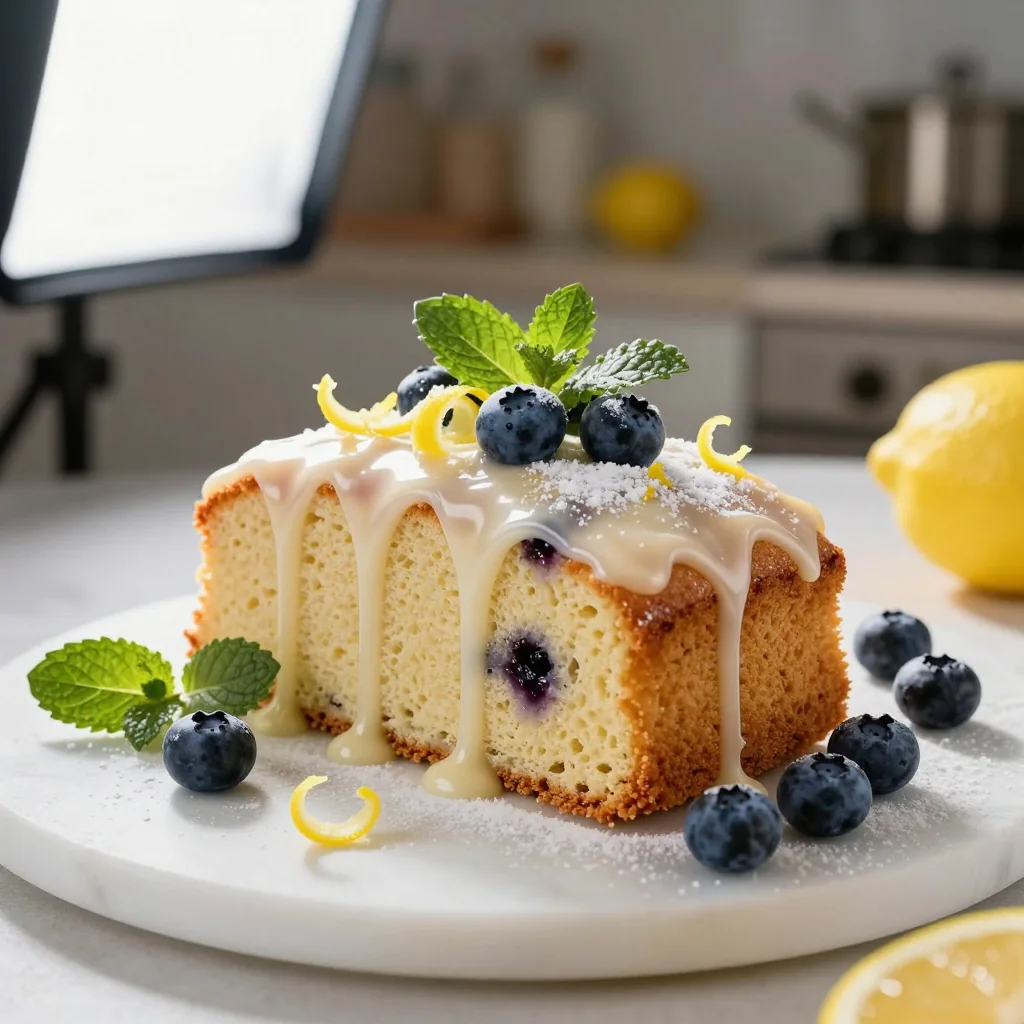
Picture yourself pulling this golden beauty from the oven, the aroma of caramelized pineapple and toasted coconut wafting through your kitchen like a tropical breeze. The cake rises majestically with a perfectly domed top that splits just right, revealing those gorgeous specks of vanilla bean throughout. When you pour the warm coconut glaze over the top, it cascades down the sides like a sweet waterfall, pooling in all the right places and creating those glossy, Instagram-worthy drips that make food bloggers weep with joy. Your neighbors will knock. Your family will hover. And you'll feel like the baking superstar you've always wanted to be.
Let me walk you through every single step — by the end, you'll wonder how you ever made it any other way.
What Makes This Version Stand Out
Moisture Magic: Most pineapple coconut cakes end up dense and heavy, like eating sweetened beach sand. Mine uses a unique reverse-creaming method that keeps the crumb tender and light while locking in moisture from three different sources. The result is a cake that's so moist, it stays fresh for five days (if it lasts that long, which it won't).
Triple Coconut Power: While other recipes might toss in some coconut flakes and call it tropical, this cake hits you with coconut in three forms: toasted coconut milk reduction in the batter, coconut oil for richness, and a coconut rum glaze that seeps into every pore. It's like a coconut vacation for your taste buds.
Fresh Pineapple Technique: I'll be honest — I ate half the batch of fresh pineapple before it even made it into the cake. But the technique of caramelizing the pineapple first concentrates the flavors and prevents that dreaded soggy bottom that ruins most fruit cakes. Trust me, this extra step is worth every minute.
Texture Play: The contrast between the tender cake, the slightly chewy caramelized pineapple bits, and the crispy coconut flakes on top creates a textural symphony. Most recipes get this completely wrong by using only one texture throughout. Here's what actually works.
Crowd-Pleasing Balance: Not too sweet, not too tropical, not too anything. The flavors are perfectly balanced so even your friend who claims they "don't like coconut" will be asking for seconds. I dare you to taste this and not go back for thirds.
Make-Ahead Champion: This cake actually improves overnight as the flavors meld together. You can bake it three days ahead of your event, and it'll taste even better. Most cakes dry out, but this one gets more magical with time.
Alright, let's break down exactly what goes into this masterpiece...
Inside the Ingredient List
The Flavor Foundation
Fresh Pineapple: This is non-negotiable. Canned pineapple is a sad, mushy imposter that'll turn your cake into a wet sponge. Fresh pineapple brings bright acidity and real texture that makes all the difference. When selecting your pineapple, look for one that smells sweet at the base and gives slightly when pressed. If it smells like vinegar or feels rock hard, keep searching.
Full-Fat Coconut Milk: Don't you dare reach for that "light" coconut milk. We need the full-fat version because it reduces down to a concentrated coconut essence that'll make your cake taste like it came from a tropical bakery. The fat content is crucial for moisture and flavor, so skip the diet versions and embrace the richness.
Dark Brown Sugar: White sugar is boring. Dark brown sugar brings molasses notes that complement the tropical flavors like they were long-lost friends reunited at last. The moisture in brown sugar also helps keep our cake tender, while the caramel notes echo the toasted coconut perfectly.
The Texture Crew
Cake Flour: Here's where most recipes go wrong. All-purpose flour makes a dense, tough cake that sits in your stomach like a brick. Cake flour has less protein, which means less gluten development and a tenderer crumb. If you can't find cake flour, you can make your own by replacing 2 tablespoons of all-purpose flour with cornstarch for every cup.
Coconut Oil: Not just for health nuts anymore. Coconut oil in its solid state helps create a tender crumb while adding another layer of coconut flavor. Make sure it's room temperature and creamy, not melted, when you start mixing. The solid fat creates tiny pockets in the batter that translate to lightness in the finished cake.
Buttermilk: The acid in buttermilk tenderizes the gluten and reacts with our leavening for extra lift. Plus, it adds a subtle tang that balances all the sweetness. No buttermilk? Make your own by adding 1 tablespoon of lemon juice or white vinegar to regular milk and letting it sit for 5 minutes. Your cake won't know the difference.
The Unexpected Star
Coconut Extract: This is my secret weapon. Just a teaspoon amplifies all the coconut flavors without making it taste artificial. Look for pure coconut extract, not imitation. The real stuff costs a bit more but makes the difference between "good" and "holy cow, what is this magic?"
Vanilla Bean Paste: Vanilla extract is fine, but vanilla bean paste gives you those gorgeous little specks throughout the cake that make it look bakery-professional. Plus, the flavor is more concentrated and complex than regular extract. If you're feeling fancy, this is where to splurge.
The Final Flourish
Toasted Coconut Flakes: These aren't just for garnish — they add crucial texture and nutty flavor that takes this cake over the top. Toast them yourself in a dry pan until golden and fragrant. The store-bought toasted coconut tastes like cardboard in comparison.
Coconut Rum: Optional but highly recommended. The alcohol cooks off, leaving behind a sophisticated flavor that makes people ask, "What is that amazing taste?" If you're serving to kids or avoiding alcohol, you can substitute with coconut water, but you'll miss that grown-up complexity.
Everything's prepped? Good. Let's get into the real action...
The Method — Step by Step
- Start by caramelizing your pineapple. Dice one fresh pineapple into small pieces (about 1/4-inch cubes). Heat a large skillet over medium-high heat and add the pineapple with 2 tablespoons of dark brown sugar. The moment that sugar hits the hot pan, it'll start to bubble and create the most incredible caramel aroma. Stir occasionally for about 8-10 minutes until the pineapple is golden and the liquid has reduced to a thick syrup. Your kitchen will smell like a tropical paradise, and you'll be tempted to eat this with a spoon. Resist the urge — or make extra for snacking.
- While your pineapple cools, toast your coconut. In a dry skillet over medium heat, add 1 cup of unsweetened coconut flakes. This is where the magic happens — stir constantly for 2-3 minutes until the coconut turns golden and smells like vacation. Watch it closely because coconut goes from perfect to burnt faster than you can say "tropical disaster." Once toasted, immediately transfer to a plate to stop the cooking. That sizzle when it hits the pan? Absolute perfection.
- Now for the game-changing technique: reduce your coconut milk. Pour one can of full-fat coconut milk into a small saucepan and bring it to a gentle simmer over medium heat. Let it bubble away for about 15 minutes until it reduces by half. This concentrates the coconut flavor into a thick, luxurious cream that'll make your cake taste like it came from a professional bakery. Stir occasionally to prevent scorching, and prepare to be amazed by how much flavor develops.
- Preheat your oven to 325°F (not the usual 350°F — trust me on this). Grease a 9-inch round cake pan with coconut oil and line the bottom with parchment paper. The lower temperature prevents the edges from overcooking before the center is done, a mistake most recipes make. Your cake will rise evenly and have that perfect golden color throughout.
- In a large bowl, whisk together your dry ingredients: 2 cups of cake flour, 1 teaspoon of baking powder, 1/2 teaspoon of baking soda, and 1/2 teaspoon of salt. The cake flour is crucial here — all-purpose will give you a dense, tough cake that nobody wants to eat. Sift everything together to ensure no lumps, because nobody wants a bite of pure baking powder.
- In a separate bowl, cream together 1/2 cup of room-temperature coconut oil with 3/4 cup of dark brown sugar using an electric mixer on medium speed for about 3 minutes until light and fluffy. This is where we're incorporating air into our batter, so don't rush it. The mixture should look pale and increased in volume — that's your lift right there.
- Add 2 large eggs, one at a time, beating well after each addition. Then add 1 teaspoon of coconut extract and 1 teaspoon of vanilla bean paste. The batter should look smooth and slightly glossy, like a beautiful tropical sunrise in your mixing bowl.
- Add your dry ingredients in three parts, alternating with the reduced coconut milk and 1/2 cup of buttermilk. Start and end with the flour mixture, mixing just until combined after each addition. The batter should be thick but pourable, with a beautiful pale yellow color and tiny vanilla bean specks throughout.
- Gently fold in your cooled caramelized pineapple and half of the toasted coconut using a rubber spatula. You want to maintain those beautiful air bubbles we worked so hard to create. The pineapple should be distributed throughout but not pulverized — those chunks are flavor bombs waiting to explode in your mouth.
- Pour the batter into your prepared pan and smooth the top. Sprinkle the remaining toasted coconut over the surface — this creates an incredible crispy coconut crust that'll make you weep with joy. Bake for 45-50 minutes, or until a toothpick inserted in the center comes out clean. The top should be golden brown and spring back when lightly touched. Cool in the pan for 10 minutes before turning out onto a wire rack to cool completely.
That's it — you did it. But hold on, I've got a few more tricks that'll take this to another level...
Insider Tricks for Flawless Results
The Temperature Rule Nobody Follows
Room temperature isn't just a suggestion — it's the law of great baking. Cold eggs won't incorporate properly, leading to a curdled batter and dense cake. Take your eggs, buttermilk, and coconut oil out of the fridge 30 minutes before you start. If you're impatient (I see you), place eggs in warm water for 5 minutes and microwave the buttermilk for 10 seconds. Your future self will thank you when your cake rises like a champ instead of sinking like a stone.
Why Your Nose Knows Best
Don't rely on the timer alone — your nose is the best kitchen tool you have. When this cake is perfectly done, your kitchen will smell like a tropical bakery had a love child with a candy store. The caramelized pineapple and toasted coconut create an aroma that's absolutely intoxicating. If you smell that and your cake tester comes out clean, you're golden. A friend tried skipping this step once — let's just say it didn't end well.
The 5-Minute Rest That Changes Everything
After you turn your cake out onto the cooling rack, resist the urge to immediately flip it right-side up. Let it rest upside down for 5 minutes first. This allows the steam to redistribute throughout the cake, preventing the bottom from becoming soggy. Then flip it over and let it cool completely. This tiny step is the difference between a cake that stays fresh for days and one that gets stale overnight.
The Coconut Oil Secret
Here's what actually works: don't melt your coconut oil completely. Leave it semi-solid at room temperature, similar to softened butter. This allows it to cream properly with the sugar, incorporating air that gives you lift. Fully melted coconut oil makes your cake greasy and heavy. The texture should be like cold butter left out for 30 minutes — soft but still holding its shape.
The Pineapple Test
Not all pineapples are created equal, and choosing the right one makes or breaks this cake. Your pineapple should smell sweet and tropical at the base, give slightly when pressed, and have bright green leaves. If it smells fermented or the leaves pull out easily, it's overripe. An underripe pineapple won't have developed its natural sugars yet, leaving your cake tasting flat and boring.
Creative Twists and Variations
This recipe is a playground. Here are some of my favorite ways to switch things up:
Piña Colada Paradise
Add 2 tablespoons of white rum to the batter and substitute the buttermilk with coconut milk for an extra boozy version. Top with a rum-cream cheese frosting and garnish with maraschino cherries. This version tastes like your favorite beach vacation in cake form and is guaranteed to make adults smile while kids wonder why the cake tastes "funny."
Mango Coconut Dream
Replace half the pineapple with fresh mango for a sweeter, more floral flavor. The mango adds a gorgeous golden color and pairs beautifully with the coconut. Add a teaspoon of lime zest to brighten everything up. This variation is perfect for summer parties and makes people think you're some kind of tropical fruit wizard.
Chocolate Coconut Indulgence
Add 1/4 cup of cocoa powder to the dry ingredients and fold in dark chocolate chips with the pineapple. The chocolate adds depth and richness that makes this feel like a sophisticated dessert rather than a casual coffee cake. Serve slightly warm with vanilla ice cream for what I like to call "the dessert that ends friendships" because nobody wants to share.
Breakfast Tropical Loaf
Pour the batter into a loaf pan instead of a round cake pan and add 1/2 cup of chopped macadamia nuts. This creates a breakfast bread that's perfect toasted with butter. The nuts add crunch and richness that transforms this from dessert to acceptable breakfast food. I won't tell if you won't.
Individual Tropical Cupcakes
Divide the batter among muffin tins lined with paper cups. Reduce the baking time to 18-20 minutes. These make perfect party treats and freeze beautifully. Top with a swirl of coconut cream cheese frosting for bakery-style cupcakes that'll make you the hero of every potluck. Kids love the individual portions, and adults appreciate not having to share.
Sugar-Free Tropical Treat
Replace the brown sugar with Swerve or monk fruit sweetener and use unsweetened coconut flakes. The pineapple provides enough natural sweetness that you won't miss the sugar. This version is perfect for diabetics or anyone watching their sugar intake. It's surprisingly delicious and doesn't have that artificial aftertaste that ruins most sugar-free desserts.
Storing and Bringing It Back to Life
Fridge Storage
Wrap your completely cooled cake tightly in plastic wrap, then in aluminum foil. It'll keep in the fridge for up to 5 days, though I doubt it'll last that long. The flavors actually develop and improve after the first day, making this an excellent make-ahead dessert. Bring it back to room temperature before serving — cold cake is sad cake.
Freezer Friendly
This cake freezes beautifully for up to 3 months. Wrap individual slices in plastic wrap, then in foil, and store in a freezer bag. Thaw overnight in the fridge, then let it come to room temperature. The texture stays perfect, making this ideal for emergency dessert situations or when you want to impress unexpected guests without any effort.
Best Reheating Method
Add a tiny splash of water before reheating — it steams back to perfection. Microwave individual slices for 15-20 seconds, or wrap the whole cake in foil and warm in a 300°F oven for 10-15 minutes. Don't overheat or you'll dry it out. A warm slice with a scoop of vanilla ice cream is basically heaven on a plate.