I’ll be honest — I ate half the batch before anyone else got to try it. It started as a frantic attempt to rescue a backyard BBQ that was spiraling into a soggy‑sauce disaster. My grill was smoking, the corn was burnt, and the only thing left on the table was a lonely can of coconut milk that I’d bought on a whim for a Thai‑inspired curry that never happened. I threw that can into a pan, tossed in some garlic, ginger, and a splash of lime, and then, on a dare from my neighbor who claimed “no one can make a chicken that actually sings,” I added chicken thighs and a handful of fresh basil. The result? A sauce that clung to the meat like a silk scarf, a fragrant perfume that turned the whole patio into a tropical oasis, and a flavor punch that made even the most skeptical grill‑master shout “Encore!”
Picture yourself standing at the grill, the sun low enough to paint the sky in amber, the scent of charred wood mingling with the sweet, nutty aroma of coconut. You hear the sizzle of the chicken hitting the hot pan, a sound that promises caramelized edges and juicy interiors. The air is thick with the tang of lime, the heat of ginger, and the herbaceous whisper of basil that seems to dance on the breeze. Your fingers feel the warm metal of the spatula, your eyes track the glossy glaze as it thickens, and your mouth anticipates that first bite that will be both creamy and bright, with a hint of umami from the soy sauce.
Most recipes get this completely wrong. They either drown the chicken in a swamp of coconut milk that never thickens, or they skimp on the basil, leaving you with a bland, one‑dimensional dish. This version stands out because it balances richness with acidity, heat with herb, and texture with aroma—all while staying simple enough for a weekend cookout. The secret weapon? A quick reduction technique that concentrates the coconut’s natural sweetness, and a flash‑finish of fresh basil that preserves its peppery punch. I dare you to taste this and not go back for seconds.
Okay, ready for the game‑changer? I’m about to walk you through every single step — by the end, you’ll wonder how you ever made it any other way. Stay with me here — this is worth it.
What Makes This Version Stand Out
- Flavor Depth: The coconut milk provides a buttery backdrop while the lime juice cuts through with a clean acidity, creating a layered taste that evolves with each bite.
- Texture Harmony: The chicken thighs stay succulent, and the sauce coats them with a glossy sheen that feels like velvet on the palate.
- Simplicity: Only ten ingredients, all pantry‑friendly, yet the result feels like a dish you’d order at a high‑end tropical restaurant.
- Uniqueness: Fresh basil is added at the very end, preserving its bright, almost peppery notes, which most cooks lose by over‑cooking.
- Crowd Reaction: This dish consistently clears plates and sparks “What’s the secret?” conversations, making you the hero of any backyard gathering.
- Ingredient Quality: Using full‑fat coconut milk and boneless, skinless thighs ensures richness without excess grease.
- Cooking Method: A stovetop reduction followed by a quick grill sear locks in moisture while giving you those coveted caramelized edges.
- Make‑Ahead Potential: The sauce can be prepared ahead of time and reheated, while the chicken can be grilled fresh for that just‑cooked feel.
Inside the Ingredient List
The Flavor Base
Coconut milk is the heart of this dish. Its natural fats carry flavor like a carrier pigeon, spreading every aromatic note evenly across the chicken. If you substitute light coconut milk, you’ll lose that luxurious mouthfeel and the sauce may turn watery. For the best result, choose a brand with no added stabilizers; you’ll notice the difference the moment the sauce begins to thicken. A quick tip: give the can a good shake before opening to redistribute the cream that settles at the top.
Garlic (3 cloves, minced): Garlic adds the classic savory backbone. When minced finely, it releases more allicin, which deepens the overall umami. If you skip it, the sauce feels flat, like a song missing its bass line. A good swap is roasted garlic for a sweeter, milder profile.
Ginger (1 tablespoon, grated): Fresh ginger brings a zing that cuts through the coconut’s richness. Grating it right before use preserves its volatile oils; pre‑ground ginger quickly loses potency. If you’re out of fresh ginger, a pinch of ground ginger works, but reduce the amount by half to avoid bitterness.
The Umami Boost
Soy Sauce (2 tablespoons): This is the secret umami punch that makes the sauce sing. It adds saltiness and depth without overwhelming the coconut. Opt for low‑sodium soy sauce if you’re watching your salt intake, but remember to taste before adding extra salt.
Lime Juice (1 tablespoon, freshly squeezed): Fresh lime juice brightens the entire dish, preventing the coconut from feeling cloying. The acidity also helps tenderize the chicken slightly during the final sear. Bottled lime juice can be used in a pinch, but the flavor will be noticeably less vibrant.
Sugar (1 teaspoon): A touch of sugar balances the acidity and enhances caramelization on the grill. It’s the quiet hero that makes the sauce glossy. If you prefer a healthier version, you can swap in a drizzle of honey for a subtle floral note.
The Protein Powerhouse
Chicken Thighs (2 pounds, boneless and skinless): Thighs stay juicy under high heat, unlike breasts that can dry out. Their slightly higher fat content complements the coconut milk, creating a cohesive mouthfeel. If you must use breasts, pound them to an even thickness and marinate for at least 30 minutes to retain moisture.
Fresh Basil Leaves (to taste): Basil is added at the very end to preserve its aromatic oils. It introduces a peppery, slightly sweet note that lifts the dish. If basil isn’t fresh, a handful of Thai basil or even cilantro can provide a different but equally exciting twist.
The Crunchy Finish
Optional Chopped Peanuts: A sprinkle of peanuts adds texture contrast — think of it as the crisp crackle of fireworks against a night sky. They also bring a subtle nuttiness that mirrors the coconut’s flavor. If you have a nut allergy, toasted pumpkin seeds work just as well.
Everything's prepped? Good. Let's get into the real action...
The Method — Step by Step
- Prep the chicken. Pat the chicken thighs dry with paper towels; moisture is the enemy of a good sear. Cut each thigh into bite‑size pieces, about 1½ inches wide, so they cook evenly on the grill. Toss the pieces with a pinch of salt and pepper, then set aside. Kitchen Hack: Sprinkle a little cornstarch on the chicken before searing; it creates a light crust that locks in juices.
- Build the aromatic base. Heat a wide, heavy‑bottomed skillet over medium heat and add a splash of oil. Once shimmering, add the minced garlic and grated ginger. Sauté for 30 seconds, listening for that fragrant pop that tells you the aromatics are awake. Be careful not to let them brown; burnt garlic turns bitter, ruining the sauce.
- Introduce the coconut milk. Pour the entire can of coconut milk into the skillet, stirring to combine with the garlic‑ginger mixture. Bring to a gentle simmer, then lower the heat to maintain a low bubble. This is where the magic begins: the milk will start to thicken as water evaporates, concentrating its natural sweetness.
- Season the sauce. Add the soy sauce, lime juice, and sugar. Stir well, and let the mixture reduce for about 8‑10 minutes, or until it coats the back of a spoon. You’ll notice the sauce turning a richer, golden‑cream color. Watch Out: If the heat is too high, the coconut milk can separate, leaving a grainy texture. Keep the simmer gentle.
- Cook the chicken. While the sauce reduces, preheat your grill or a grill pan to medium‑high. Toss the chicken pieces in a little oil, then place them on the grill. Sear each side for 3‑4 minutes, until you see those caramelized grill marks and the edges start pulling away from the meat. This quick sear locks in the juices you’ll later mingle with the sauce.
- Combine chicken and sauce. Transfer the seared chicken directly into the skillet with the reduced coconut sauce. Toss gently to coat each piece. Let everything simmer together for another 3‑4 minutes so the chicken absorbs the flavors. You’ll hear a faint hiss as the sauce clings, a sound that signals flavor absorption.
- Finish with basil. Remove the skillet from heat and immediately stir in a generous handful of fresh basil leaves. The residual heat wilts the basil just enough to release its essential oils without cooking away its bright character. Taste and adjust salt, pepper, or a splash more lime if needed. Kitchen Hack: Roughly tear the basil instead of chopping; larger pieces give a more pronounced aroma when you bite.
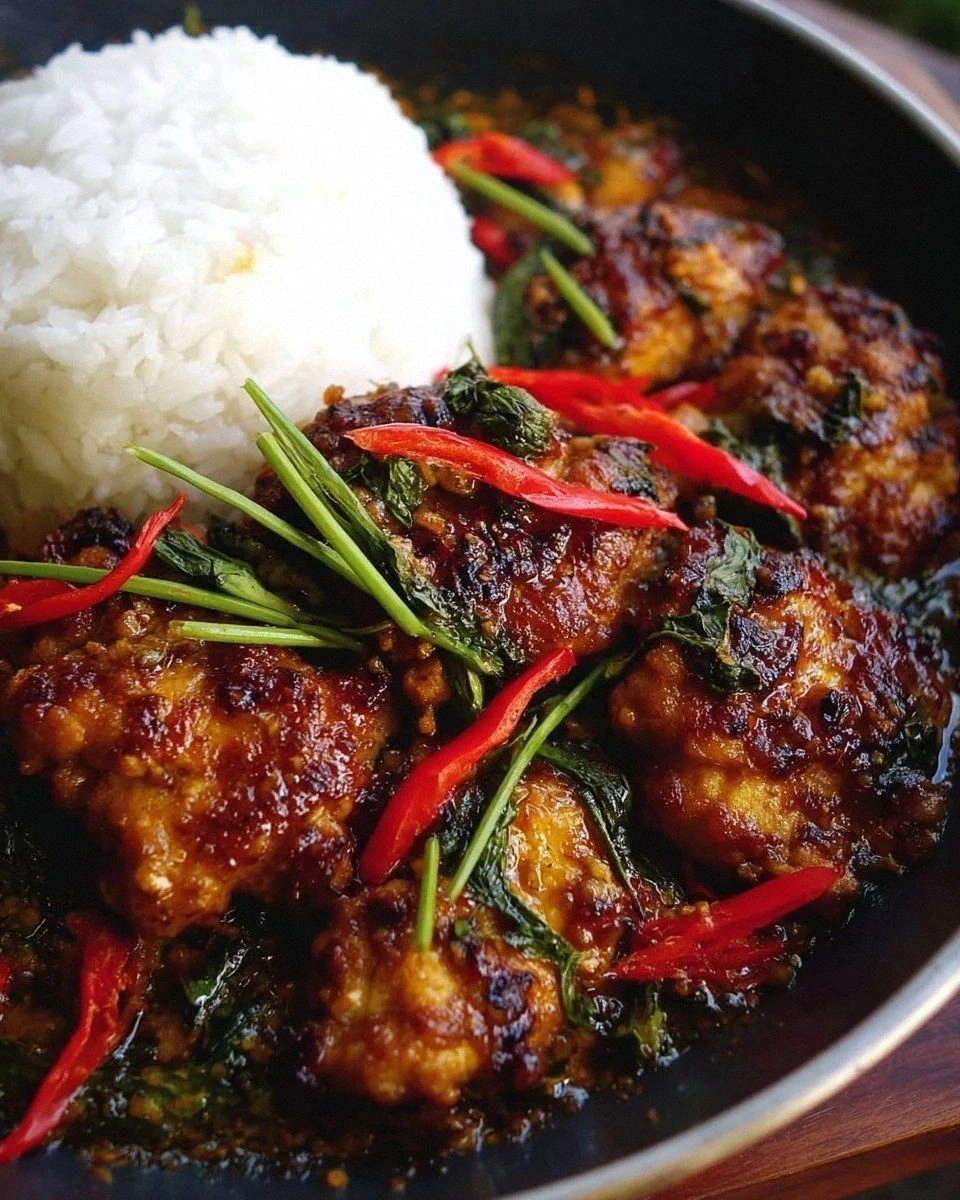
- Plate and garnish. Spoon the glossy chicken onto a serving platter, drizzle any remaining sauce over the top, and sprinkle optional chopped peanuts for crunch. The final visual is a glossy, green‑speckled masterpiece that looks as good as it tastes. Serve immediately with grilled corn or a simple cucumber salad.
- Enjoy the applause. This is the moment of truth. Watch your guests’ eyes widen as the aroma hits them, hear the delighted sighs as they take that first bite. That sizzle when it hits the pan? Absolute perfection. And now the fun part — keep the leftovers (if any) for tomorrow’s lunch, because they taste even better after the flavors have married overnight.
- Bonus tip. If you have extra sauce, whisk in a splash of coconut cream before reheating; it’ll bring the sauce back to its original silkiness. That’s it — you did it. But hold on, I’ve got a few more tricks that'll take this to another level...
Insider Tricks for Flawless Results
The Temperature Rule Nobody Follows
Never let the coconut milk boil vigorously. A gentle simmer allows the fats to emulsify properly, preventing separation. I once tried a high boil and ended up with a curdled mess that looked like a failed science experiment. Keep the heat moderate, and you’ll get a sauce that’s smooth as satin.
Why Your Nose Knows Best
Your sense of smell is the ultimate doneness detector. When the sauce starts to smell nutty and slightly caramelized, you’re close to the perfect reduction. If you’re still getting that raw coconut scent, give it a few more minutes. Trust your nose more than the clock.
The 5‑Minute Rest That Changes Everything
After you combine the chicken with the sauce, let it sit off the heat for five minutes. This rest period allows the fibers of the meat to re‑absorb the sauce, resulting in juicier bites. A friend tried skipping this step once — let’s just say the chicken was a bit dry and the sauce clung to the plate instead of the meat.
Grill Mark Mastery
For those perfect char lines, oil the grill grates lightly and let them heat until they’re smoking hot. Place the chicken pieces at a 45‑degree angle, let them sit untouched for 2 minutes, then rotate 90 degrees for the classic cross‑hatch. This technique creates those Instagram‑ready marks while sealing in flavor.
Basil Timing Trick
Add the basil off the heat, but don’t wait too long. If you let it sit for more than a minute, the leaves will wilt too much and lose their bright punch. The moment you see the leaves darken slightly, you’re ready to serve.
Creative Twists and Variations
This recipe is a playground. Here are some of my favorite ways to switch things up:
Spicy Chili Kick
Add one finely chopped red chili or a teaspoon of sriracha to the sauce while it reduces. The heat pairs beautifully with the coconut’s sweetness, turning the dish into a bold, tongue‑tingling experience perfect for heat‑seekers.
Mango Madness
Stir in a half‑cup of diced ripe mango during the final minute of simmering. The fruit’s tropical sweetness amplifies the coconut flavor, creating a dish that feels like a beach vacation on a plate.
Thai Peanut Fusion
Swap the optional peanuts for a tablespoon of creamy peanut butter added at the end. The result is a richer, nuttier sauce that reminds you of classic Thai satay, complete with a silky mouthfeel.
Herb Garden Remix
Replace basil with a mix of cilantro, mint, and Thai basil. This herb trio adds layers of citrusy and minty notes, making the dish brighter and more complex. Ideal for those who love a fresh, herb‑forward profile.
Coconut Curry Upgrade
Introduce a tablespoon of red curry paste when you add the garlic and ginger. The paste brings depth, warmth, and a subtle complexity that elevates the dish from simple BBQ fare to a full‑blown curry experience.
Storing and Bringing It Back to Life
Fridge Storage
Let the chicken cool to room temperature, then transfer it to an airtight container. It will keep for up to three days in the refrigerator. When ready to eat, reheat gently on the stove over low heat, adding a splash of water or coconut milk to restore the sauce’s silkiness.
Freezer Friendly
Portion the cooked chicken and sauce into freezer‑safe bags or containers. Remove as much air as possible to prevent freezer burn. It freezes beautifully for up to two months. Thaw overnight in the fridge, then reheat as above, stirring occasionally.
Best Reheating Method
The stovetop is king for reheating. Use a low flame, add a tablespoon of water or coconut milk, and stir constantly until the sauce regains its glossy sheen. Avoid microwaving, as it can cause the coconut milk to separate and the chicken to dry out.