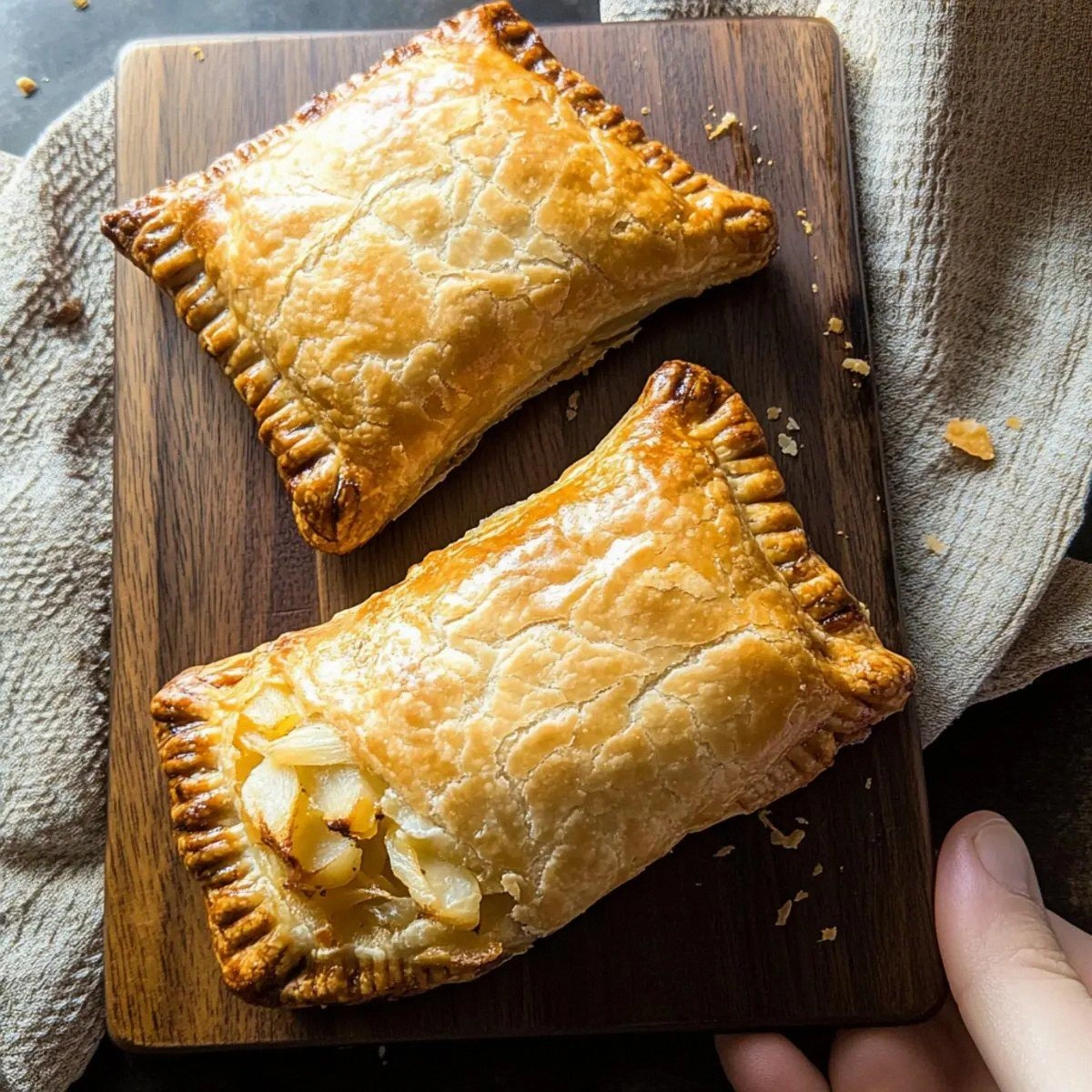
I was in the middle of a rainy Saturday night, the kind where the clouds feel like a blanket and every spoonful of soup sounds like a hug. I had promised my roommate I’d bring something “snack‑worthy” to our movie marathon, but my pantry only offered a sad, limp bag of frozen pizza rolls that had been sitting untouched for weeks. I stared at the empty plate, heard the popcorn kernel pop, and thought, “If I’m going to survive this marathon, I need a snack that’s bold enough to make the couch feel like a five‑star restaurant.” That’s when the idea hit me like a flash of lightning: a buttery puff pastry pocket stuffed with creamy cheddar, silky cream, and caramelised onion‑potato goodness that would make even the most hardened snack‑snob weep with joy.
Picture this: the oven door swings open and a wave of golden‑brown aroma floods the kitchen, the scent of melted cheese mingling with the sweet, earthy perfume of sautéed onions. The sound of the pastry puffing up is a gentle sigh, like the first breath of a dragon waking from a nap. When you bite into the pasty, the crust shatters with a crisp that’s almost audible, giving way to a velvety interior that coats your tongue like a warm, buttery blanket. The potatoes are tender but not mushy, the cheese stretches like a lazy cat in sunlight, and the hint of Dijon mustard adds a subtle zing that makes every mouthful feel like a celebration.
Most recipes for potato‑and‑cheese pasties either drown the filling in a soggy mess or skimp on the buttery layers that give puff pastry its legendary lift. I’ve tried the “quick” versions that call for pre‑made mashed potatoes and a sprinkle of shredded cheese, and let’s just say they left me feeling underwhelmed and a little betrayed. This version, however, embraces the humble ingredients and elevates them with a few chef‑level tricks that are surprisingly simple. The secret? A dash of Dijon, a splash of heavy cream, and a precise butter‑sauté that turns ordinary onions into caramelised jewels.
I dare you to taste this and not go back for seconds. Okay, ready for the game‑changer? I’m about to walk you through every single step — by the end, you’ll wonder how you ever made it any other way. Stay with me here — this is worth it.
What Makes This Version Stand Out
- Flavor Explosion: The combination of sharp cheddar, heavy cream, and a whisper of Dijon creates a depth that feels like a cheese board on steroids, yet it remains perfectly balanced.
- Texture Harmony: Crispy, buttery layers of puff pastry meet a silky, melt‑in‑your‑mouth filling that never gets soggy, thanks to the precise butter‑sauté technique.
- Simplicity Meets Sophistication: Only ten ingredients, all pantry‑friendly, yet the result tastes like something you’d order at a boutique bakery.
- Unique Twist: A teaspoon of Dijon mustard adds a subtle heat that cuts through the richness, a secret I’ve guarded for years.
- Crowd‑Pleaser: Whether you’re feeding a family, a party of friends, or a picky teenager, these pasties disappear faster than you can say “more, please.”
- Ingredient Quality: Using a mature cheddar and real butter makes the difference between “good” and “mind‑blowing.”
- Cooking Method: Baking, not frying, ensures a lighter feel while still delivering that satisfying crunch.
- Make‑Ahead Potential: You can assemble them ahead of time, freeze, and bake straight from the freezer for a stress‑free snack.
Inside the Ingredient List
The Flavor Base
The star of the show is the 150 g of sharp, mature cheddar. This cheese brings a robust, tangy backbone that can stand up to the buttery pastry without getting lost. If you skimp on the cheddar, the filling becomes bland; if you use a milder cheese, you’ll miss that satisfying bite. As a swap, you can use a sharp Gruyère for a nuttier note, but remember to keep the flavor intensity high.
Next up, the 1/4 cup of heavy or double cream. This isn’t just for richness; it creates a glossy, cohesive sauce that binds the potatoes and cheese together. Skip it, and you’ll end up with a dry, crumbly interior. For a lighter version, substitute with half‑and‑half, but the texture won’t be as luxurious.
The Texture Crew
A single large white potato provides the starchy body that holds everything together. Choose a floury variety like Russet; it mashes into a fluffy cloud that absorbs the cream without turning gummy. If you accidentally pick a waxy potato, the filling will stay too firm and the flavors won’t meld as nicely.
One large onion, diced finely, is sautéed in a tablespoon of butter until it reaches caramelised perfection. This step builds a sweet, aromatic foundation that balances the cheddar’s sharpness. A common mistake is to rush this step – you’ll end up with raw onion bites that ruin the harmony.
The Unexpected Star
A teaspoon of Dijon mustard might seem modest, but it introduces a subtle heat and acidity that cuts through the richness, preventing the palate from feeling overloaded. If you’re not a mustard fan, a splash of Worcestershire sauce can mimic the depth, though the flavor profile will shift slightly.
Fresh parsley, also a teaspoon, is folded in at the end for a burst of herbaceous brightness. It’s the garnish that makes the whole dish feel fresh, not just heavy comfort food.
The Final Flourish
A package of puff pastry is the canvas for this masterpiece. The layers of butter and dough create a puff that’s airy on the inside and crisp on the outside. Thaw it according to package instructions; trying to roll frozen pastry will tear it and ruin the lift.
One large egg, beaten, acts as the golden glaze that turns the pastry into a glossy, inviting jewel. It also helps seal the edges, preventing any filling escape during baking. Finally, salt and pepper are added to taste – they’re the silent partners that amplify every other flavor.
Everything's prepped? Good. Let's get into the real action...
The Method — Step by Step
Preheat your oven to 200 °C (390 °F). While the oven warms, line a baking sheet with parchment paper. This ensures the pasties won’t stick and makes cleanup a breeze. The heat will be intense enough to puff the pastry quickly, giving you that dramatic rise you crave.
Dice the potato into ½‑inch cubes and place them in a pot of salted water. Bring to a boil, then simmer for 8‑10 minutes until just fork‑tender. Drain thoroughly and mash gently – you want a fluffy texture, not a gluey mess. Watch the potatoes; over‑cooking will make the filling watery.
Kitchen Hack: After draining, return the potatoes to the hot pot for a minute to evaporate excess moisture.While the potatoes cook, melt 1 tbsp of butter in a skillet over medium heat. Add the finely diced onion and a pinch of salt, then sauté for 12‑15 minutes, stirring occasionally, until the onions turn a deep caramel colour and smell sweet. This slow caramelisation is the secret to the rich, sweet undertone that balances the sharp cheddar.
Combine the mashed potatoes, caramelised onions, grated cheddar, heavy cream, Dijon mustard, and chopped parsley in a large mixing bowl. Season with salt and pepper, then stir until everything is evenly coated and the cheese starts to melt into the warm mixture. Watch Out: If the mixture feels too dry, add a splash more cream; if it’s too runny, a handful of grated cheese will thicken it.
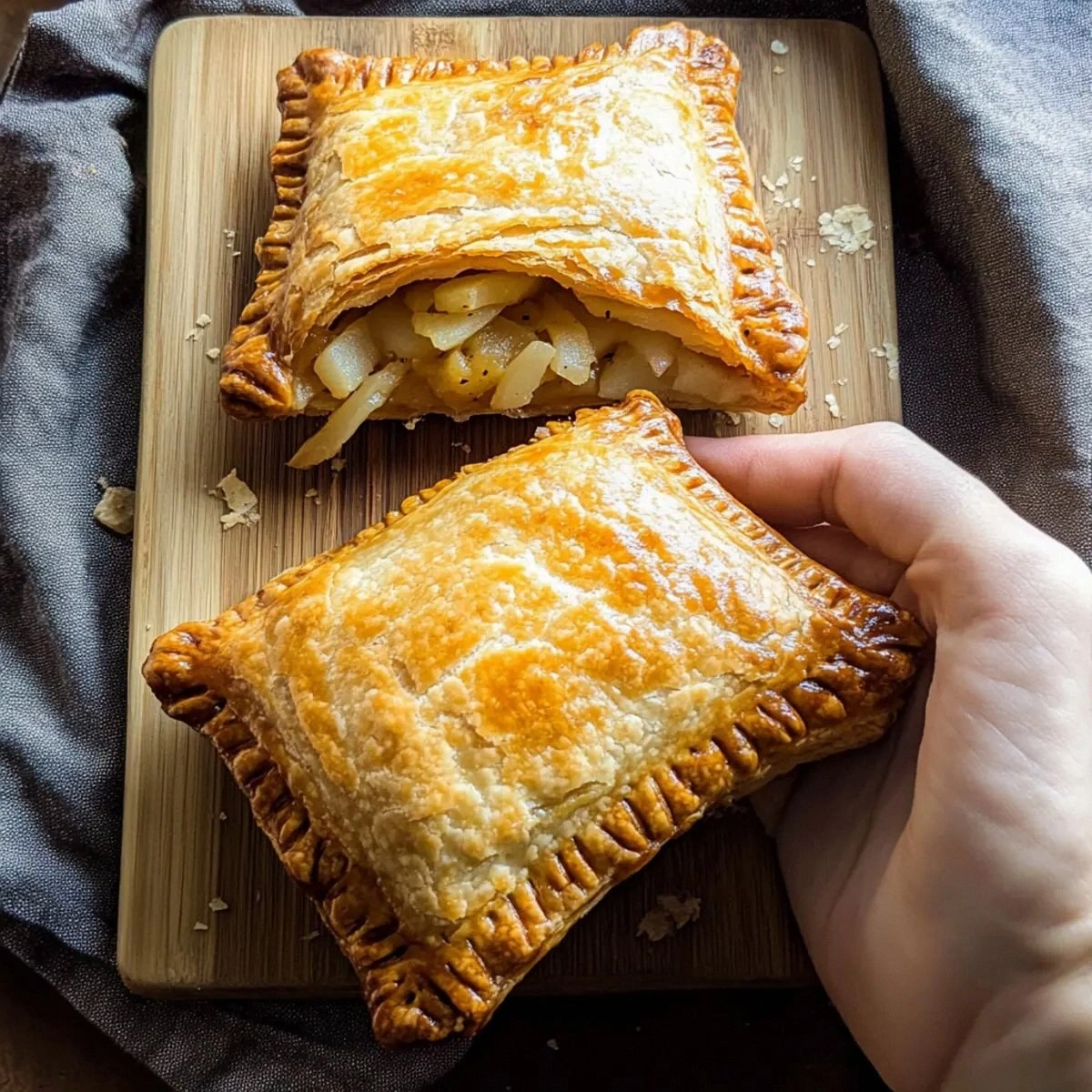
Watch Out: Over‑mixing can cause the cheese to clump; fold gently.Roll out the puff pastry on a lightly floured surface to about 3 mm thickness. Cut circles roughly 12 cm in diameter using a large biscuit cutter or a bowl rim. Place a generous spoonful of the filling in the centre of each circle, then fold the dough over to create a half‑moon shape. Press the edges with a fork to seal, ensuring no filling can escape.
Kitchen Hack: Brush the edges with a little water before pressing with the fork; this creates a tighter seal.Place the sealed pasties onto the prepared baking sheet, leaving a small gap between each. Brush the tops generously with the beaten egg; this will give them a glossy, golden finish that looks as good as it tastes. Sprinkle a pinch of extra cracked pepper for a subtle bite.
Slide the tray into the preheated oven and bake for 20‑25 minutes, or until the pastry is puffed, deeply golden, and the edges start to pull away from the sheet. The smell at this stage is pure magic – a buttery, cheesy perfume that will have everyone gathering around the kitchen.
Remove the pasties from the oven and let them rest for 3‑4 minutes. This short pause allows the filling to set slightly, preventing a gooey spill when you bite in. Serve warm, with a side of tangy mustard or a simple salad if you like.
That’s it — you did it. But hold on, I've got a few more tricks that'll take this to another level. Keep reading for insider tips that will make your next batch even more unforgettable.
Insider Tricks for Flawless Results
The Temperature Rule Nobody Follows
Never bake puff pastry at a temperature lower than 200 °C. The high heat creates steam inside the layers, causing that signature lift. If you’re tempted to lower the heat to “prevent burning,” you’ll end up with a dense, soggy crust. My friend once baked at 180 °C and the pasties looked more like flatbread than pastries – a hard lesson learned.
Why Your Nose Knows Best
The moment the edges start to turn a deep amber and you catch that nutty, buttery scent is your cue to pull them out. Trusting a timer alone can lead to over‑baking. The aroma is a reliable indicator that the pastry has achieved that perfect crisp‑to‑fluffy balance.
The 5‑Minute Rest That Changes Everything
Allowing the pasties to rest for a few minutes after baking lets the filling settle, preventing a molten flood when you cut into them. This tiny pause also lets the pastry finish its final puff as it cools, giving you that satisfying snap with each bite.
Butter‑Cold Technique
Keep your butter and pastry as cold as possible until the moment of baking. Cold butter creates steam pockets that expand dramatically in the oven, producing that coveted flaky texture. If you accidentally leave the pastry out too long, pop it back in the fridge for 10 minutes before shaping.
Egg Wash Perfection
For a uniformly glossy finish, whisk the egg with a teaspoon of water. This dilutes the egg slightly, preventing a thick, uneven coating that can crack during baking. Brush quickly and evenly for that professional bakery look.
Seasoning Layer‑by‑Layer
Season the potatoes, the onion mixture, and the final filling separately. This layered seasoning ensures every bite is consistently flavorful. Skipping this step often results in a bland center that’s hidden beneath the cheese.
Creative Twists and Variations
This recipe is a playground. Here are some of my favorite ways to switch things up:
Smoky Bacon Boost
Crisp up 4 strips of smoked bacon, crumble them, and fold into the filling. The salty crunch adds a smoky depth that pairs beautifully with the cheddar, turning the pasty into a hearty snack for brunch.
Herb‑Infused Goat Cheese
Swap half of the cheddar for creamy goat cheese and add a teaspoon of fresh thyme. The tangy goat balances the richness, while thyme adds an earthy perfume that elevates the dish to a sophisticated appetizer.
Spicy Jalapeño Kick
Finely dice one jalapeño (seeds removed for less heat) and stir into the filling. The heat cuts through the buttery layers, perfect for those who love a little fire with their comfort food.
Sweet Potato & Sage
Replace the white potato with an equal amount of roasted sweet potato and add a pinch of dried sage. The natural sweetness of the sweet potato complements the sharp cheddar, creating a autumn‑inspired twist.
Vegan Dream
Use a plant‑based puff pastry, swap cheddar for a sharp vegan cheese, and replace heavy cream with coconut cream. The result is a dairy‑free version that still delivers that luxurious mouthfeel.
Mini Bite‑Size Appetizers
Cut the pastry into smaller circles (about 6 cm) and bake for 12‑15 minutes. These bite‑size pasties are perfect for cocktail parties, allowing guests to sample multiple flavors in one sitting.
Storing and Bringing It Back to Life
Fridge Storage
Allow the pasties to cool completely, then place them in an airtight container. They’ll stay fresh for up to three days. Reheat in a 180 °C oven for 8‑10 minutes; the pastry will regain its crispness.
Freezer Friendly
Freeze unbaked pasties on a parchment sheet, then transfer to a zip‑top bag. They can be stored for up to two months. When ready, bake straight from frozen, adding an extra 5 minutes to the baking time.
Best Reheating Method
For the ultimate revival, preheat your oven to 190 °C, place the pasties on a wire rack, and spray a light mist of water on the pastry before reheating. The steam helps the crust regain its flakiness while preventing the filling from drying out.