I was standing in my kitchen on a rainy October afternoon, staring at a half‑cooked pot of spaghetti that had somehow turned into a soggy mess, and I thought, “If I can’t salvage this, I might as well create something new.” The smell of wet cardboard mixed with the faint scent of onions from a previous sauté made me realize I needed a rescue mission, not a rescue plan. That’s when a dare from my roommate hit me like a cold wind: “Make a salad that tastes like fall, but with pasta, and I’ll bring the wine.” I accepted, but little did I know I was about to discover the most addictive version of a pasta salad you’ll ever taste. This isn’t just a side dish; it’s a celebration of autumn’s best colors, textures, and flavors, all wrapped up in one bowl that you’ll want to eat straight from the pan.
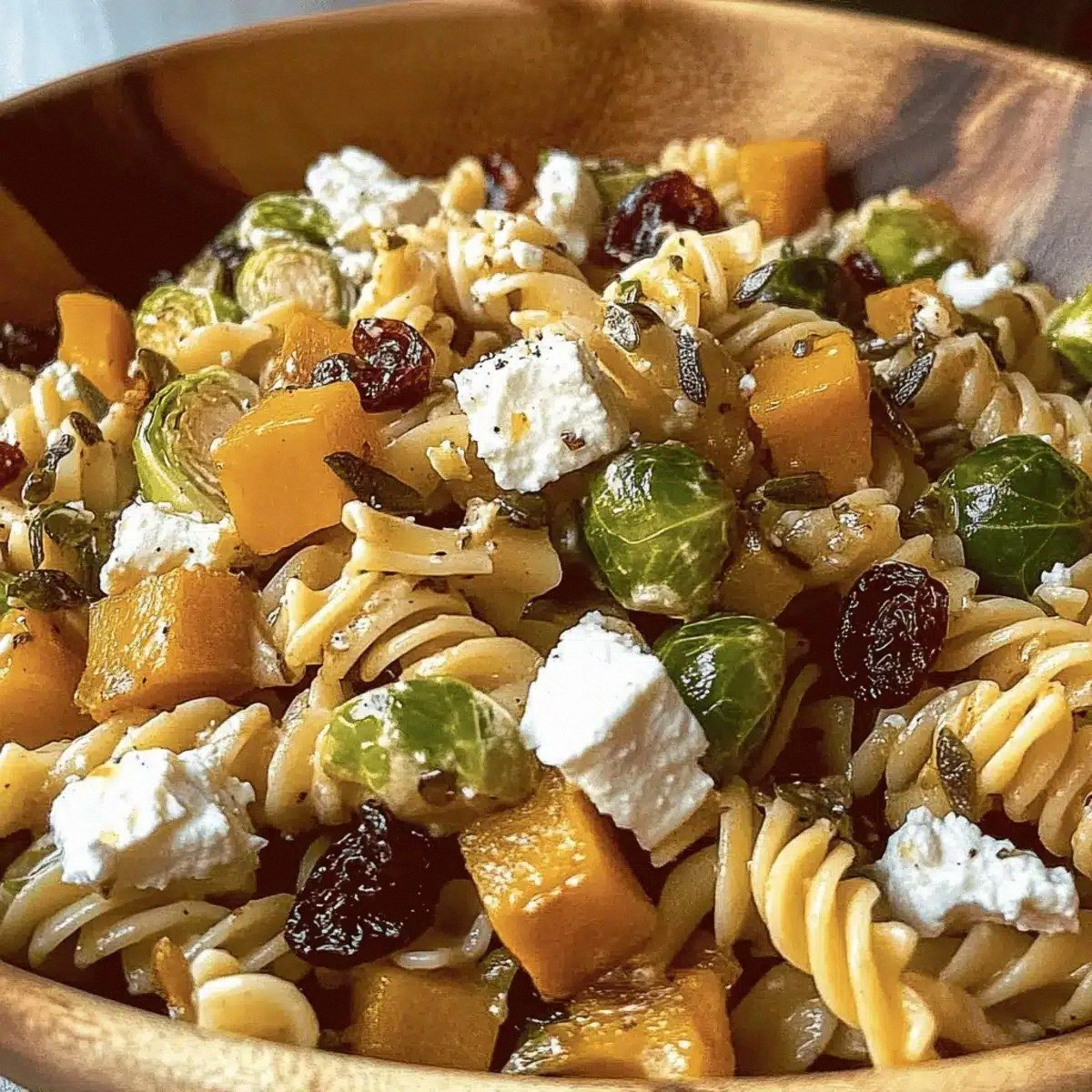
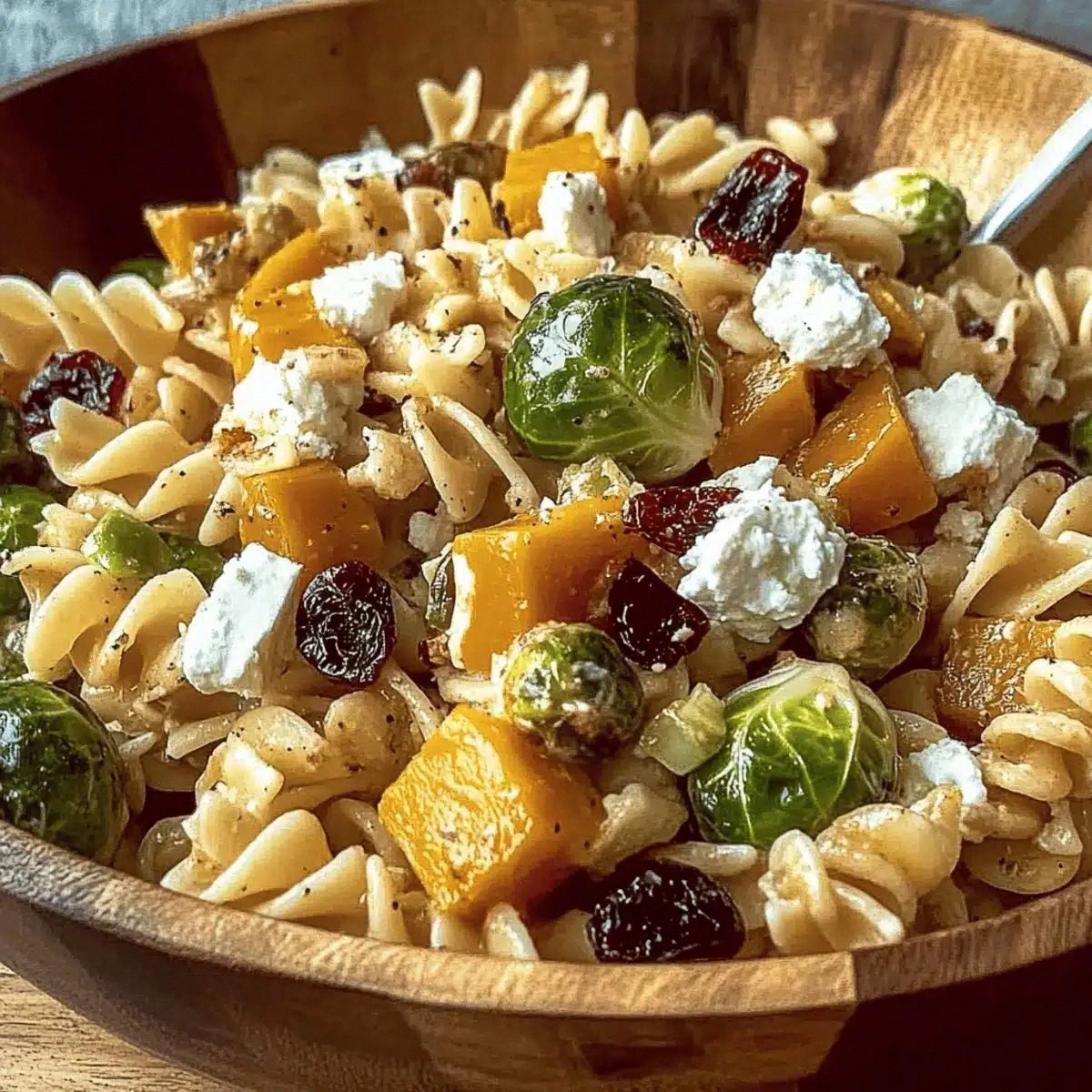
Picture this: the caramelized crunch of roasted Brussels sprouts that crack like thin ice when you bite, the sweet, buttery melt of butternut squash that coats each forkful like velvet, and the crisp bite of honeycrisp apple that adds a juicy pop that sings against the earthiness of thyme. The aroma? A heady mix of toasted nuts, a whisper of rosemary‑like thyme, and the faint, comforting scent of goat cheese as it softens into the warm salad. You’ll hear the sizzle of vegetables hitting the hot pan, the gentle clatter of pasta draining, and the soft rustle of fresh herbs being folded in. The feeling in your hands? Warm, confident, and a little bit mischievous, because you know you’re about to create something that will have everyone begging for seconds.
What makes this version stand out? Most pasta salads are either drenched in mayo or drenched in bland vinaigrette, and they often forget the power of seasonal produce. This recipe flips the script by roasting the vegetables first, which brings out a caramelized depth that a simple boil could never achieve. Then we toss everything in a silky olive‑oil‑thyme dressing that clings to the pasta like a lover’s embrace, and we finish with crumbled goat cheese that adds a tangy punch and dried cranberries that bring a surprising sweet‑tart contrast. I dare you to taste this and not go back for seconds; I’ll be honest — I ate half the batch before anyone else got to try it, and I’m still not sorry. Okay, ready for the game‑changer? Let me walk you through every single step — by the end, you’ll wonder how you ever made it any other way.
What Makes This Version Stand Out
- Taste: The sweet‑savory balance is like a perfectly timed duet, where the natural sugars of squash and apple meet the salty bite of goat cheese, creating a flavor orchestra that sings with every forkful.
- Texture: You get crunchy roasted Brussels, buttery squash, crisp apple, and the tender bite of al dente pasta—all in one bowl, delivering a mouthfeel that’s as varied as a fall foliage walk.
- Simplicity: Despite the depth of flavor, the recipe uses only a handful of pantry staples and a couple of fresh ingredients, meaning you won’t need a culinary degree to pull it off.
- Uniqueness: Most pasta salads skip the roasting step; this one embraces it, turning humble veggies into caramelized gems that elevate the entire dish.
- Crowd Reaction: I’ve served this at potlucks and the response has been unanimous—people keep asking for the recipe, and some even claim it’s “the best thing they’ve ever tasted at a gathering.”
- Ingredient Quality: Using honeycrisp apples and fresh thyme adds a brightness that store‑bought alternatives just can’t match, and the goat cheese adds a tang that cuts through the sweetness.
- Cooking Method: Roasting the vegetables first builds flavor layers, while the quick pasta boil preserves a firm bite, ensuring the salad stays vibrant even after it cools.
- Make‑Ahead Potential: This salad actually improves after a few hours in the fridge as the flavors meld, making it perfect for busy weeknight dinners or weekend picnics.
Inside the Ingredient List
The Flavor Base
Fresh thyme is the unsung hero here; its subtle piney notes weave through the roasted vegetables and the dressing, adding an aromatic depth that you’ll notice only after the first bite. If you can’t find fresh thyme, a dried version works, but reduce the amount by half because dried herbs are more concentrated. When you’re picking thyme at the farmer’s market, look for bright green leaves that haven’t turned brown—those are the most potent. Extra‑virgin olive oil does double duty: it’s the medium for roasting, and it becomes the silky carrier for the dressing, ensuring every noodle gets a glossy coat. A good quality oil will taste buttery and slightly peppery, which enhances the overall flavor profile.
The Texture Crew
Brussels sprouts, when roasted, develop crispy edges that shatter like thin ice, providing a satisfying crunch that contrasts beautifully with the soft, buttery squash. The key is to dice them uniformly—about a half‑inch pieces—so they cook evenly and achieve that caramelized exterior without burning. Butternut squash, on the other hand, brings a natural sweetness and a creamy texture that feels like a warm hug on a chilly day. Cut it into similar-sized cubes as the Brussels so they roast together in harmony. The apple adds a juicy pop; honeycrisp is ideal because it stays crisp even after a brief toss with the warm salad, preventing sogginess.
The Unexpected Star
Goat cheese might seem like a bold choice for a pasta salad, but its tangy, slightly earthy flavor cuts through the sweet vegetables, creating a balanced palate. Crumbled into the warm salad, it softens just enough to melt into the dressing, yet retains enough structure to give you little pockets of creamy delight. If you’re not a fan of goat, feta or a mild blue cheese can be swapped, but expect a shift in flavor intensity. Dried cranberries are the surprise element: they add a chewy, tart burst that mirrors the autumn leaves’ tartness and adds visual contrast with their deep ruby hue.
The Final Flourish
The pasta itself is the canvas; I prefer a short, sturdy shape like farfalle or rotini that can hold onto the dressing and the bits of veggies. Cook it al dente—just a minute shy of the package instructions—so it retains a pleasant bite even after it cools. Salt the cooking water generously; this is your first chance to season the pasta from the inside out. Once drained, toss it with a splash of olive oil to prevent sticking, and set it aside while you finish the roasting and dressing. If you’re looking for a gluten‑free option, brown rice pasta or chickpea pasta works just as well, though the texture will be slightly different.
Everything's prepped? Good. Let's get into the real action...
The Method — Step by Step
Preheat your oven to 425°F (220°C). While the oven warms, dice the Brussels sprouts and butternut squash into uniform half‑inch cubes, and toss them on a large rimmed baking sheet with 2 tbsp of extra‑virgin olive oil, ½ tsp kosher salt, and ¼ tsp black pepper. Spread them out in a single layer; crowding the pan will steam them instead of roasting, and you’ll miss that coveted caramelized edge. That sizzle when it hits the pan? Absolute perfection. Roast for 20‑25 minutes, stirring halfway through, until the edges are golden and the interior is tender.
While the vegetables are turning golden, bring a large pot of water to a rolling boil. Add a generous pinch of kosher salt—think sea water, not just a dash—and drop in 8 oz of dry pasta. Cook for 1‑2 minutes less than the package recommends for al dente texture; you’ll finish cooking it later when the salad cools, and this prevents mushiness. Once done, drain the pasta and rinse briefly under cool water to stop the cooking process, then drizzle with a teaspoon of olive oil to keep the noodles from sticking.
While the pasta cools, prepare the dressing. In a small bowl, whisk together ⅓ cup extra‑virgin olive oil, 1 tsp kosher salt, ¼ tsp black pepper, and 1 tbsp freshly chopped thyme. The oil should coat the back of a spoon and the thyme should be evenly suspended, creating a glossy emulsion that will cling to every ingredient. Taste and adjust seasoning; the dressing should be bright with a hint of herbaceous perfume.
Dice 2 cups of honeycrisp apple into bite‑size pieces. The key is to keep the pieces uniform so they don’t turn mushy when mixed with the warm salad. If you prefer a tart contrast, a splash of lemon juice can be added to the apples to prevent browning and add a subtle zing.
When the vegetables are done, pull the sheet from the oven and let them rest for a couple of minutes. Transfer them to a large mixing bowl, add the warm pasta, the diced apple, 4 oz crumbled goat cheese, and ¼ cup dried cranberries. The heat from the veggies and pasta will gently melt the goat cheese, creating a creamy coating that binds everything together.
Now, the magic moment: drizzle the thyme‑infused olive oil dressing over the salad. Toss gently but thoroughly, ensuring every piece of pasta, every cube of squash, and every leaf of Brussels is bathed in the aromatic oil. You’ll notice the salad glistening, the colors deepening, and a faint perfume rising—this is the moment of truth. If the salad feels a little dry, add a splash more olive oil; if it feels too heavy, a squeeze of fresh lemon juice will brighten it up.
Give the salad a final taste check. Adjust salt and pepper if needed—remember, the cheese already adds saltiness, so go easy. Let the salad sit for at least 10 minutes before serving; this rest period allows the flavors to meld, and the pasta will absorb a touch of the dressing, becoming even more flavorful. Serve at room temperature or slightly chilled, and watch as guests dive in, eyes widening at the vibrant colors and aromas.
That’s it — you did it. But hold on, I’ve got a few more tricks that’ll take this to another level. Stay with me here — this is worth it.
Insider Tricks for Flawless Results
The Temperature Rule Nobody Follows
Never let your roasted vegetables cool completely before mixing them with the pasta. The residual heat helps the goat cheese melt just enough to create a luxurious coating without turning the salad soggy. I once tried making the salad entirely cold, and the result was a dry, disjointed mess that lacked cohesion. Trust the heat; it’s the secret glue that binds the flavors together.
Why Your Nose Knows Best
The moment you smell the roasted Brussels turning golden, that’s your cue that they’re ready. Trust your nose over the timer; if you catch that nutty, slightly sweet aroma, you know the caramelization is spot on. Over‑roasting will make them bitter, while under‑roasting leaves them watery. A quick sniff is worth a thousand minutes of staring at a clock.
The 5‑Minute Rest That Changes Everything
Once everything is combined, let the salad sit uncovered for five minutes. This short rest allows the dressing to soak into the pasta and the cheese to settle into a creamy pocket. I once served a pasta salad straight out of the bowl, and it tasted flat; after the rest, the flavors deepened, and the texture became silkier. It’s a tiny step with a massive payoff.
Seasonal Swaps for Year‑Round Fun
If you’re making this in summer, swap the butternut squash for grilled zucchini and the cranberries for fresh pomegranate seeds. The core principle—roasted veg, sweet fruit, tangy cheese—remains the same, but the flavor profile adapts to the season. This flexibility makes the recipe a perennial favorite, not just an autumn stunt.
The Salt Balance Trick
Because both the cheese and the dressing contain salt, I always add salt in two stages: half in the roasting oil and half in the dressing. This layered seasoning prevents the dish from becoming overly salty while ensuring every component is seasoned. A friend tried skipping the salt in the roasting step once — let’s just say the veggies tasted bland, and the whole salad suffered.
Finish with a Fresh Herb Burst
Just before serving, sprinkle a handful of fresh thyme leaves or a drizzle of chopped parsley. The fresh herb adds a bright, green pop that lifts the dish from hearty to luminous. It’s the final flourish that makes the plate look restaurant‑ready and the palate feel refreshed.
Creative Twists and Variations
This recipe is a playground. Here are some of my favorite ways to switch things up:
Maple‑Glazed Sweet Potato
Swap the butternut squash for diced sweet potatoes tossed in a light maple glaze before roasting. The caramelized maple adds a deep, smoky sweetness that pairs beautifully with the tangy goat cheese.
Spicy Sriracha Drizzle
Add a teaspoon of sriracha to the dressing for a subtle heat that cuts through the sweetness of the apples and cranberries. This version is perfect for those who love a little kick.
Mediterranean Spin
Replace the goat cheese with crumbled feta, add Kalamata olives, and toss in a handful of roasted red peppers. The Mediterranean twist brings briny depth and a sun‑kissed vibe.
Vegan Version
Use a plant‑based cheese alternative, such as cashew feta, and replace the goat cheese with toasted pumpkin seeds for crunch. The dressing stays the same, and the dish remains just as satisfying.
Herb‑Infused Pasta
Cook the pasta in a broth seasoned with rosemary and thyme instead of plain water. This subtle infusion adds an extra layer of aromatic flavor that makes each bite more complex.
Storing and Bringing It Back to Life
Fridge Storage
Transfer the salad to an airtight container and store it in the refrigerator for up to 4 days. The flavors will continue to meld, making the dish even more harmonious. Before serving, give it a gentle toss and add a splash of olive oil if it looks a bit dry.
Freezer Friendly
While fresh apples and goat cheese don’t freeze well, you can freeze the roasted vegetables and cooked pasta separately. Store each in freezer‑safe bags for up to 2 months. When you’re ready to eat, thaw, re‑heat the veggies in a skillet, and combine with fresh apple, cheese, and dressing.
Best Reheating Method
To revive the salad, place it in a skillet over low heat, add a tiny splash of water or broth, and stir gently until warmed through. The added moisture creates steam that brings back the salad’s original silkiness without turning it soggy.