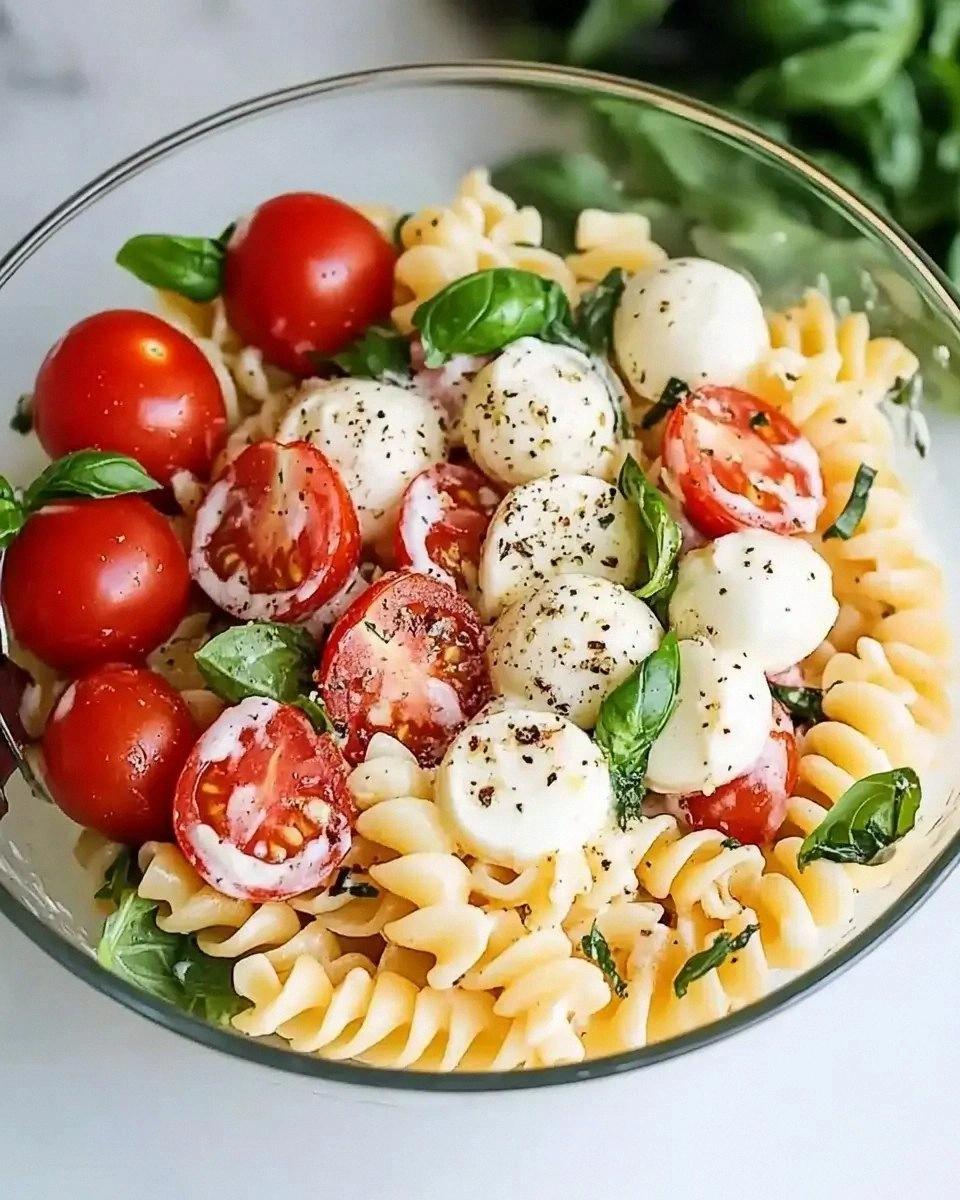
I’m going to start with a confession: I once tried to make a quick pasta salad for a potluck, tossed in whatever I had, and ended up with a soggy, flavor‑less mess that even my dog refused to sniff. That disaster sparked a relentless quest for the perfect balance of creaminess, freshness, and that unmistakable Caprese zing. I’ve chased the ideal ratio of mozzarella to tomato, wrestled with the right amount of basil, and even experimented with a secret dairy blend that turns a simple pasta salad into a luxurious, restaurant‑worthy side. The result? A dish that makes you want to shout, “I dare you to taste this and not go back for seconds!” and honestly, I’ve already eaten half the batch before anyone else got a chance.
Picture this: a sunny kitchen window, the hum of the refrigerator, the clink of a metal pot as it fills with water, and the aroma of fresh basil leaves being torn by hand. The scent of ripe cherry tomatoes, sweet and slightly acidic, mingles with the nutty perfume of toasted pine nuts, while a velvety, herb‑infused cream sauce swirls around each bite of al dente pasta like a silk scarf on a breezy day. You can hear the faint sizzle of the sauce as it thickens, and feel the cool, creamy texture coat the pasta, making every forkful a harmonious dance of flavors and textures. It’s a sensory overload that feels like a summer garden party in a bowl.
What sets this version apart from every other Caprese pasta salad you’ve ever seen is the secret weapon: a light, dairy‑forward cream that’s enriched with a splash of white wine vinegar for a subtle tang, and a dash of Dijon for depth. Most recipes either drown the pasta in a watery vinaigrette or drown the tomatoes in a heavy mayo, but this one strikes the perfect middle ground. The pasta stays firm, the cheese stays melty without becoming rubbery, and the tomatoes retain that burst of juiciness that makes you think you’ve just bitten into a sun‑kissed garden. This is hands down the best version you’ll ever make at home, and it’s as simple as it is spectacular.
I’m also throwing in a technique that most home cooks overlook: a quick “shock” in an ice bath after cooking the pasta. This stops the cooking process dead in its tracks, locks in the perfect bite, and prevents the noodles from soaking up too much of that luscious sauce later on. Trust me, this little trick makes a massive difference and will have you wondering why you ever settled for “just boiled pasta.” Okay, ready for the game‑changer? Let me walk you through every single step — by the end, you’ll wonder how you ever made it any other way.
What Makes This Version Stand Out
- Flavor Explosion: The combination of fresh mozzarella, ripe tomatoes, and a whisper of garlic‑infused cream creates a taste that’s bright, tangy, and decadently smooth, like a summer sunset in your mouth.
- Texture Harmony: Al dente pasta meets creamy sauce, while crunchy pine nuts add a surprise snap that shatters like thin ice under a footstep.
- Simplicity: Fewer than ten ingredients, all pantry‑friendly, mean you can throw this together in under an hour without a PhD in culinary arts.
- Unique Twist: The ice‑bath shock technique keeps the pasta firm and prevents sogginess, a secret most recipes completely miss.
- Crowd Reaction: Guests often claim it’s “the best pasta salad ever,” and you’ll hear the same phrase repeated at every gathering.
- Ingredient Quality: Using small‑shaped pasta like rotini or farfalle maximizes sauce coverage, ensuring each bite is evenly coated.
- Cooking Method: The gentle simmer of the cream sauce, followed by a quick cool‑down, guarantees a silky texture without curdling.
- Make‑Ahead Potential: This salad holds up beautifully in the fridge for up to two days, making it perfect for meal prep or potlucks.
Alright, let's break down exactly what goes into this masterpiece…
Inside the Ingredient List
The Flavor Base
Fresh mozzarella is the heart of this dish. Its milky, slightly sweet profile melts just enough to coat the pasta without turning rubbery. If you skip it, you lose that luscious mouthfeel and the dish becomes a bland carb salad. A solid swap is a high‑quality burrata; its creamy interior adds an extra layer of decadence, though you’ll need to handle it gently to avoid breaking the curds.
The Texture Crew
Cherry tomatoes bring a burst of acidity that cuts through the cream, while pine nuts add a buttery crunch that contrasts the soft pasta. If you don’t have pine nuts, toasted almonds or walnuts work beautifully, offering a similar nutty crunch. Skipping the nuts entirely will make the dish feel flat, missing that essential textural counterpoint.
The Unexpected Star
The ice‑bath shock is the unsung hero. Submerging the freshly boiled pasta in ice water for just 30 seconds stops the cooking process, preserving the firm bite that makes the sauce cling rather than slide off. Forgetting this step leads to mushy noodles that soak up the sauce like a sponge, turning the salad into a soggy mess.
The Final Flourish
A splash of white wine vinegar and a pinch of Dijon mustard give the sauce a bright, tangy edge that prevents the cream from feeling cloying. If you’re avoiding vinegar, a squeeze of fresh lemon juice works as a lively substitute, though it will lend a slightly different citrus note. Skipping the acidity entirely will leave the sauce feeling heavy and one‑dimensional.
Everything's prepped? Good. Let's get into the real action…
The Method — Step by Step
Bring a large pot of salted water to a rolling boil. Add the 1 pound of small pasta and stir gently to prevent sticking. Cook until the pasta is al dente—usually about 8‑9 minutes, but start checking a minute early. When you bite into a piece, it should offer a slight resistance, like a firm handshake. Drain the pasta, reserving a cup of the cooking water for later, then set the pot aside.
Immediately transfer the hot pasta to a bowl filled with ice water. Let it sit for 30 seconds, then drain again. This “shock” stops the cooking process, locks in the perfect bite, and prevents the noodles from soaking up too much sauce later. You’ll notice the pasta’s surface turning a faint, glossy sheen—an indicator that the texture is locked in. Pat the pasta dry with a clean kitchen towel.
While the pasta cools, whisk together 1 cup heavy cream, 2 tablespoons white wine vinegar, 1 teaspoon Dijon mustard, and a pinch of sea salt in a saucepan. Place the pan over medium‑low heat, stirring constantly. The sauce should thicken slowly, coating the back of a spoon in about 5‑6 minutes. You’ll hear a gentle, almost musical simmer, and the aroma will shift from raw dairy to a fragrant, buttery perfume.
Kitchen Hack: Add a splash of the reserved pasta water to the sauce if it looks too thick; the starches will help emulsify and give the sauce a glossy finish.Turn off the heat and fold in 1 cup of diced fresh mozzarella, letting it melt just enough to become creamy without losing its shape. The cheese should become stringy and glossy, coating the sauce like velvet. If the cheese refuses to melt, lower the heat slightly and stir a bit longer—patience is key.
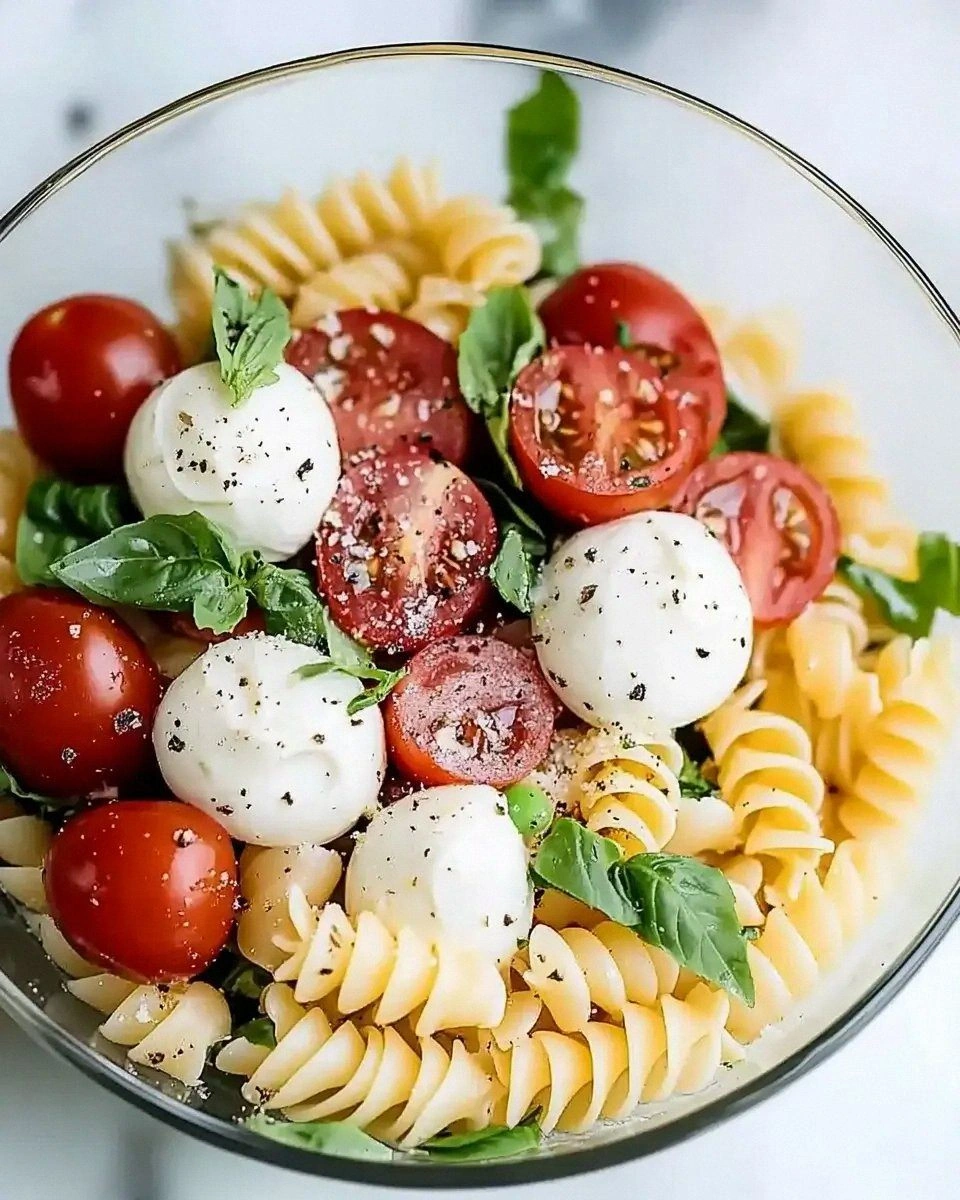
In a large mixing bowl, combine the cooled pasta, the creamy mozzarella sauce, and 1 cup halved cherry tomatoes. Toss gently, ensuring each noodle is cloaked in the sauce. The tomatoes should stay plump, their skins intact, providing bright pockets of flavor that burst when bitten.
Add ½ cup fresh basil leaves, torn by hand, and ¼ cup toasted pine nuts. The basil releases its aromatic oils when torn, and the pine nuts add that buttery crunch that makes the mouth water. Give the salad a final toss, and taste for seasoning—add a pinch more salt if needed.
Cover the bowl with plastic wrap and let it rest in the refrigerator for at least 30 minutes. This rest period allows the flavors to meld, and the sauce to thicken slightly, hugging the pasta even tighter. While you wait, you can admire the colors—vivid reds, fresh greens, and creamy whites—like a painter’s palette.
Before serving, give the salad a quick stir, drizzle a little extra‑virgin olive oil for shine, and sprinkle a final handful of pine nuts on top for extra crunch. Serve at room temperature or slightly chilled, and watch as your guests dive in, eyes widening with each forkful.
Watch Out: If you add the basil too early, it can wilt and lose its bright flavor. Add it just before the final toss to keep it fresh.
That's it — you did it. But hold on, I've got a few more tricks that'll take this to another level…
Insider Tricks for Flawless Results
The Temperature Rule Nobody Follows
Never add the cheese to a boiling hot sauce. Let the sauce cool to a gentle simmer before folding in the mozzarella; this prevents the cheese from curdling and keeps it silky. I once tried adding it straight off the heat and ended up with a grainy, separated mess—my guests thought I’d accidentally made a cheese fondue gone wrong.
Why Your Nose Knows Best
When the sauce is ready, you’ll smell a faint buttery note that turns richer as the cream emulsifies. If you detect a sour or burnt scent, you’ve either over‑cooked or the heat is too high. Trust that nose—if it smells perfect, the sauce is perfect.
The 5‑Minute Rest That Changes Everything
Letting the salad sit for a half hour isn’t just for convenience; it allows the starches from the pasta to absorb the sauce, creating a cohesive texture. A friend once skipped this step, serving the salad immediately, and the sauce was runny, sliding off the pasta like water off a duck’s back. The rest period turns that liquid into a clingy, luxurious coating.
Pine Nut Toasting Pro Tip
Toast pine nuts in a dry skillet over medium heat for 3‑4 minutes, shaking the pan frequently. You’ll hear a gentle pop and see the nuts turn golden, releasing a nutty aroma that elevates the entire dish. Burnt nuts add bitterness, so keep a close eye on them.
Basil Timing Mastery
Add basil at the very end, just before serving. The leaves should stay bright green and retain their aromatic oils. If you crush them too early, the flavor dulls, and the leaves turn a muted olive color, which is a visual cue that you’ve missed the optimal timing.
Creative Twists and Variations
This recipe is a playground. Here are some of my favorite ways to switch things up:
Mediterranean Medley
Swap the pine nuts for toasted kalamata olives and add a handful of crumbled feta. The salty, briny notes bring a Greek island vibe that pairs perfectly with grilled chicken.
Spicy Sunset
Add a pinch of red‑pepper flakes to the sauce and replace half the cherry tomatoes with roasted red peppers. The heat balances the cream, giving the dish a lively kick.
Herb Garden Remix
Include a mix of fresh herbs—mint, parsley, and tarragon—alongside basil. The herbaceous blend adds complexity and makes the salad feel spring‑fresh.
Vegan Velvet
Replace the heavy cream with coconut cream and use vegan mozzarella. The dish stays creamy, and the coconut adds a subtle tropical undertone.
Protein Power
Stir in grilled shrimp or diced grilled chicken for a protein boost. The added protein makes the salad a complete meal rather than just a side.
Storing and Bringing It Back to Life
Fridge Storage
Transfer the salad to an airtight container and store it in the refrigerator for up to 48 hours. The flavors will deepen, and the pasta will continue to absorb the sauce, becoming even more cohesive.
Freezer Friendly
While not ideal for the fresh basil, you can freeze the salad for up to one month. Portion it into freezer‑safe bags, remove as much air as possible, and label with the date. Thaw overnight in the fridge, then add fresh basil before serving.
Best Reheating Method
When ready to serve, place the salad in a skillet over low heat, adding a splash of water or extra cream to re‑emulsify the sauce. Stir gently until warmed through; avoid high heat to prevent the cheese from separating.