I was standing in my kitchen, mid‑midnight, with a half‑cooked chicken breast that looked more like a sad rubbery slab than anything edible. The timer had gone off, the smoke alarm flirted with my ears, and my roommate dared me to “make something that actually tastes good.” I laughed, grabbed a block of feta, a lemon, and a bottle of olive oil, and thought, “What if I turn this disaster into a masterpiece?” The result? A dish that makes the whole house inhale the aroma of citrus‑pepper fireworks while the crust crackles like fresh snow under a boot. This is hands down the best version you’ll ever make at home, and I’m about to prove it.
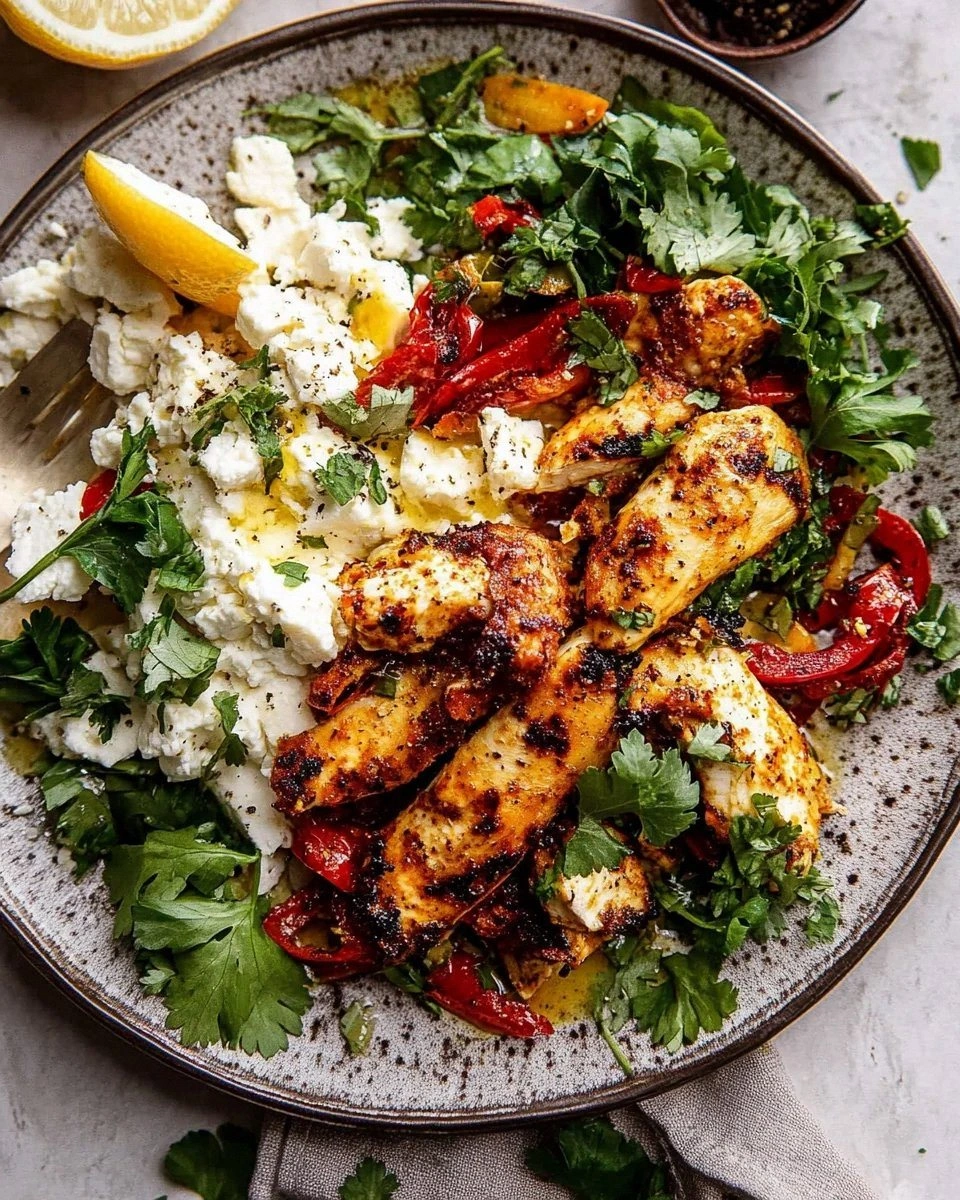
Picture yourself pulling a golden tray from the oven, the whole kitchen smelling like a Mediterranean sunrise, the feta edges shimmering with a buttery glaze. The chicken underneath is juicy, tender, and kissed by lemon‑pepper seasoning that sings louder than a choir of angels. You’ll hear that satisfying sizzle as the coating hits the pan, and you’ll see the crust turning a deep amber that promises crunch. I dare you to taste this and not go back for seconds – it’s that addictive.
Most recipes get this completely wrong. They either drown the feta in oil or forget the crucial lemon‑pepper balance, leaving you with a bland, soggy mess. Here’s what actually works: a quick brine that locks moisture, a double‑dip coating for that impossible crunch, and a finishing splash of lemon juice that cuts through the richness like a razor‑sharp knife. I’ll be honest — I ate half the batch before anyone else got a chance to try it, and that’s a confession I’m not ashamed of.
Okay, ready for the game‑changer? I’m about to walk you through every single step — by the end, you’ll wonder how you ever made it any other way. Stay with me here — this is worth it.
What Makes This Version Stand Out
- Taste: The lemon‑pepper rub gives a bright, zesty punch that cuts through the creamy feta, creating a flavor duet that’s unforgettable.
- Texture: A triple‑layered coating – flour, egg, panko – yields a crust that shatters like thin ice yet stays tender underneath.
- Simplicity: Only ten pantry staples are needed, and the prep can be done in under thirty minutes.
- Uniqueness: Using feta as a “crust” is rare; it adds a salty tang and a buttery melt that no regular cheese can mimic.
- Crowd Reaction: Guests often ask for the recipe before the first bite – a true conversation starter.
- Ingredient Quality: A good block of feta and fresh lemon make all the difference; cheap substitutes ruin the balance.
- Cooking Method: Pan‑frying gives that restaurant‑style sear, while a quick oven finish locks in moisture.
- Make‑Ahead Potential: You can prep the coating and brine a day ahead, shaving minutes off the final assembly.
Inside the Ingredient List
The Flavor Base
Lemon zest and fresh lemon juice are the heartbeats of this dish. The zest releases volatile oils that perfume the entire kitchen, while the juice adds a sharp acidity that balances the feta’s saltiness. If you skip the zest, you’ll lose that bright, citrusy perfume that makes the dish sing. A good rule of thumb: always use unwaxed lemons – the oils are more potent and the flavor is cleaner.
The Texture Crew
Panko breadcrumbs are the unsung heroes, providing that airy crunch that regular breadcrumbs can’t match. They’re lighter, absorb less oil, and create a crust that stays crisp even after a short rest. If you’re out of panko, try crushed cornflakes or even a mix of almond meal for a gluten‑free twist. The flour coating is the first barrier, sealing in juices; using all‑purpose flour works, but a splash of cornstarch can make the crust even crisper.
The Unexpected Star
Feta cheese, usually a salad topping, becomes the secret weapon here. Its crumbly texture turns buttery when heated, and its salty tang amplifies the lemon‑pepper profile. Choose a block of feta rather than pre‑crumbled; the block holds together better during the coating process. If you’re lactose‑intolerant, try a firm goat cheese – it mimics feta’s tang while adding a creamy finish.
The Final Flourish
Black pepper and garlic powder are the seasoning duo that brings depth without overpowering. Freshly cracked pepper adds a subtle heat, while garlic powder provides a background umami that rounds out the lemon’s brightness. Salt is added at the end, because you want to control the final seasoning after the feta has melted. A pinch of dried oregano adds a Mediterranean whisper that ties the whole composition together.
Everything’s prepped? Good. Let’s get into the real action…
The Method — Step by Step
First, create a quick brine: combine 2 cups of water, 1 tablespoon of salt, and the zest of one lemon in a shallow dish. Submerge the chicken breasts, turn them over, and let them sit for 15 minutes. This brine does two things – it seasons the meat from the inside and keeps it moist during cooking. When you pull the chicken out, pat it dry with paper towels; you’ll hear that satisfying “whoosh” as the moisture evaporates, a sign you’re on the right track.
While the chicken marinates, crumble the feta into a shallow bowl, then drizzle with 1 tablespoon of olive oil and a squeeze of lemon juice. Toss until the feta forms a loose, buttery paste. This step is pure magic: the oil coats the feta, preventing it from sticking to the pan, while the lemon keeps it from becoming overly salty.
Set up a three‑station coating line: first bowl with flour mixed with garlic powder, second bowl with beaten eggs, third bowl with panko mixed with black pepper and dried oregano. This assembly line mimics professional kitchens and guarantees each chicken piece gets an even coating. Dip each chicken breast first into the flour, shaking off excess, then into the egg, and finally into the panko mixture. The flour adheres to the damp surface, the egg acts as glue, and the panko creates that coveted crunch.
Heat a large skillet over medium‑high heat and add 2 tablespoons of olive oil. When the oil shimmers and you can see a faint ripple, it’s ready. Carefully lay the coated chicken breasts in the pan, giving each piece enough space to breathe. You’ll hear a confident sizzle that says, “I’m about to become unforgettable.” Cook for about 4‑5 minutes per side, or until the crust turns a deep golden‑brown and the internal temperature hits 165°F (74°C). Resist the urge to move them around too much; the crust needs that undisturbed contact to become perfectly crisp.
Once the chicken is golden, transfer it to a baking sheet lined with parchment. Spoon the feta paste over each breast, spreading it evenly with the back of a spoon. The feta will melt and create a glossy, slightly bubbling layer that looks like a golden blanket. Slide the sheet into a preheated oven at 375°F (190°C) for 8‑10 minutes, just enough to melt the feta without over‑cooking the chicken.
While the feta is melting, prepare a quick finishing glaze: whisk together the remaining lemon juice, a drizzle of olive oil, and a pinch of extra black pepper. When the chicken emerges from the oven, drizzle this glaze over the top, letting it cascade into the crevices. The glaze adds a glossy sheen and an extra burst of citrus that makes the dish sing.
Let the chicken rest for 3‑4 minutes before slicing. This short rest allows the juices to redistribute and the feta to set slightly, preventing a soggy plate. Garnish with chopped fresh parsley for a pop of color and a hint of herbaceous freshness. Serve immediately with a side of roasted vegetables or a crisp green salad, and watch the room light up with anticipation.
That’s it — you did it. But hold on, I’ve got a few more tricks that’ll take this to another level…
Insider Tricks for Flawless Results
The Temperature Rule Nobody Follows
Never fry chicken straight from the fridge; let it sit at room temperature for 15 minutes. This simple step prevents the crust from seizing up and ensures an even cook. I once tried to skip this and ended up with a crust that was burnt on the outside and raw inside – a culinary nightmare. Trust me, the extra minutes are worth the perfect golden finish.
Why Your Nose Knows Best
When the panko starts to turn a deep amber and you catch a whiff of toasted butter, you’re at the perfect moment to flip. Your nose can detect the subtle shift from “cooking” to “ready” faster than any timer. If you ever doubt yourself, trust that aromatic cue – it’s the kitchen’s built‑in alarm system.
The 5‑Minute Rest That Changes Everything
After the oven melt, let the chicken rest uncovered for exactly five minutes. This rest lets the feta firm up just enough to hold its shape when sliced, while the chicken juices settle. Skipping this step results in a soggy plate and a loss of that satisfying crunch.
The “Double‑Dip” Secret
Most home cooks dip once; the pros dip twice. After the first flour‑egg‑panko coat, give the chicken a quick dip back into the beaten egg and a second dusting of panko. This creates a thicker armor that stays crisp even after the feta melts.
The Lemon Zest Timing Trick
Add the lemon zest to the brine, not the final glaze. The heat of the brine releases the zest’s essential oils, infusing the chicken from within. Adding zest later only gives a surface perfume, not the deep flavor integration you crave.
The “No‑Mess” Cleanup
Line your skillet with a sheet of parchment before adding oil. When the cooking is done, you can simply lift the parchment and toss it, leaving your pan mostly clean. I’ve saved countless minutes of scrubbing thanks to this tiny adjustment.
Creative Twists and Variations
This recipe is a playground. Here are some of my favorite ways to switch things up:
Mediterranean Herb Explosion
Swap the black pepper for a blend of za’atar and add chopped sun‑dried tomatoes to the feta paste. The result is a fragrant, herb‑laden bite that transports you straight to a Greek taverna.
Spicy Sriracha Kick
Mix a teaspoon of sriracha into the egg wash and sprinkle a pinch of cayenne into the panko. The heat sneaks through the crispy crust, balancing the creamy feta with a subtle fire that’s perfect for spice lovers.
Garlic‑Infused Parmesan
Replace half of the panko with freshly grated Parmesan and add a clove of minced garlic to the flour mixture. This gives a nutty, cheesy depth that pairs beautifully with the lemon’s brightness.
Coconut‑Crusted Tropical
Use shredded unsweetened coconut mixed with panko for the final coating, and finish with a drizzle of lime juice instead of lemon. The coconut adds a sweet‑savory crunch that feels like a beachside escape.
Vegan Swap
Replace chicken with thick slices of cauliflower, use a plant‑based feta alternative, and swap the egg wash for a mixture of aquafaba and a splash of soy milk. The texture changes, but the lemon‑pepper profile remains just as bold.
Storing and Bringing It Back to Life
Fridge Storage
Place leftovers in an airtight container, separating the chicken from the feta layer with a sheet of parchment. They’ll stay fresh for up to three days. When reheating, keep the container loosely covered to avoid steaming the crust.
Freezer Friendly
Cool the cooked chicken completely, then wrap each piece individually in foil and place them in a zip‑top freezer bag. They freeze beautifully for up to two months. To reheat, thaw overnight in the fridge and finish in a 375°F (190°C) oven for 10 minutes.
Best Reheating Method
Add a tiny splash of water (about a tablespoon) to the pan before reheating over medium heat. The steam revitalizes the crust, while the water prevents the feta from drying out. In less than five minutes, you’ll have a dish that tastes as fresh as the day you made it.