Introduction
Picture this: I’m standing in a cramped kitchen, the smell of burnt onions still clinging to my clothes, and my friend’s voice echoing across the street, “You’ve got to try my honey‑roasted carrots.” I was skeptical—last time I tried something “honey‑roasted,” it turned into a sticky mess that tasted like a sugar factory. But that night, desperation turned into culinary curiosity, and the result was a revelation that I still can’t stop bragging about.
When the carrots hit the pan, the sizzle was immediate, a crisp crackle that sent a little steam spiraling into the air. The sweet aroma of honey mingled with the earthy scent of fresh parsley, creating a fragrant halo that made my mouth water before the first bite even arrived. I could already taste the caramelized edges, the tender core, and the subtle peppery bite that kept the dish from becoming syrupy.
This version is the one I keep in my mental recipe book because it does a few things that most other carrot recipes miss. First, it balances sweetness and acidity without relying on a heavy glaze. Second, it uses a single pan, so cleanup is minimal. Third, it adds a fresh herb finish that brightens the entire plate. Finally, it’s quick enough to make after a long day, yet elegant enough to serve at a dinner party. I dare you to taste this and not go back for seconds.
Stay with me here—this is worth it. By the end, you’ll wonder how you ever made it any other way. The technique I’ll reveal involves a simple trick with honey and oil that gives the carrots a caramelized crust that’s crisp on the outside and buttery on the inside. And the secret ingredient? Fresh parsley, but not just chopped—tossed in a way that releases its oils and brightens the whole dish.
What Makes This Version Stand Out
- Sweetness: The honey isn’t just a sweetener; it’s a flavor carrier that deepens the carrot’s natural sugars, creating a caramelized glaze that’s both glossy and flavorful.
- Texture: The carrots are sliced to a uniform thickness so they roast evenly, giving you that coveted combination of crisp edges and tender centers.
- Herb Freshness: Fresh parsley isn’t a garnish; it’s a finishing touch that adds a peppery brightness, cutting through the honey’s richness.
- Minimalist Prep: No pre‑soaking, no complicated marinades—just a handful of pantry staples and a single pan.
- Make‑Ahead Friendly: Once roasted, the carrots keep their flavor and can be reheated without losing texture, making them perfect for meal prep.
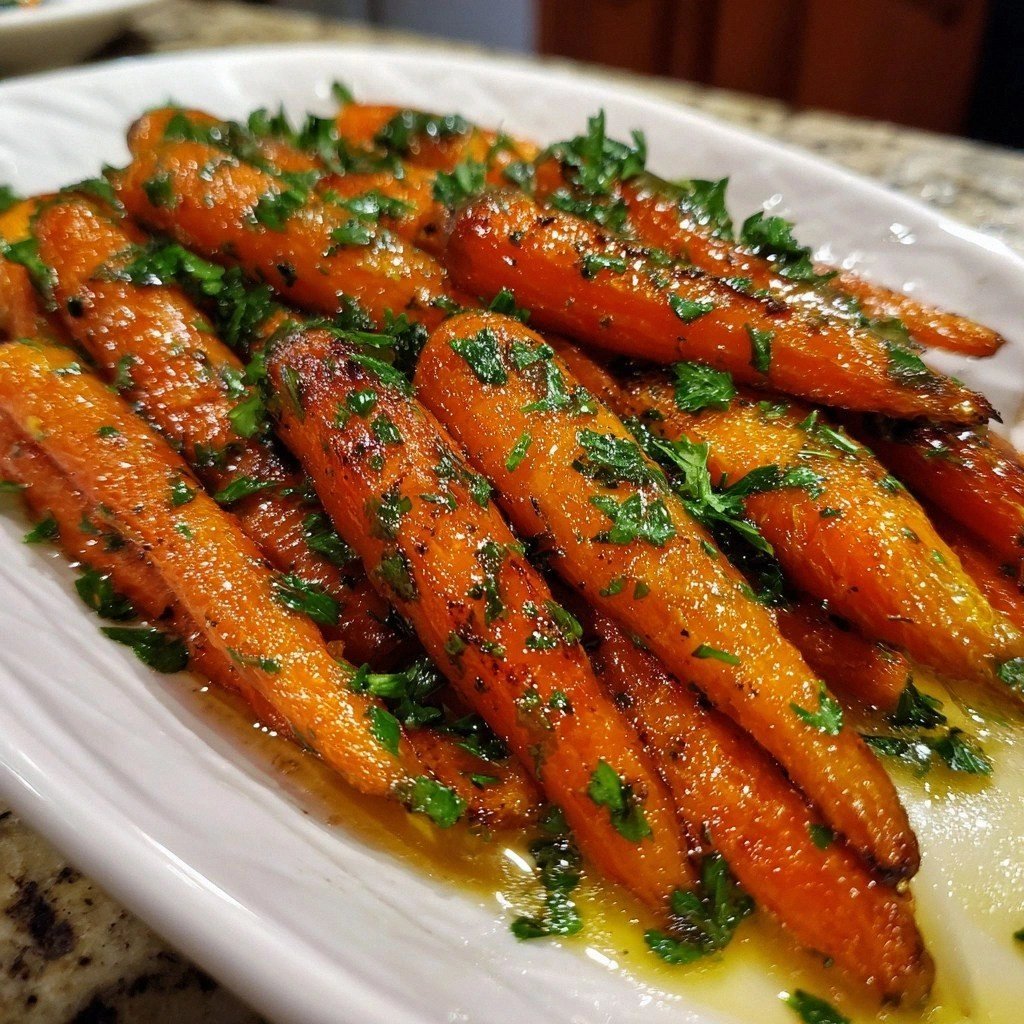
- Visual Appeal: The golden‑brown caramelized edges contrast with the vibrant green parsley, turning a simple side into a showstopper.
- Versatility: Works as a side, a salad topper, or a base for a protein like chicken or tofu.
Alright, let's break down exactly what goes into this masterpiece…
Inside the Ingredient List
The Flavor Base
Carrots are the star of this dish, and choosing the right ones can make or break the flavor. Look for firm, bright orange carrots with a smooth skin. Avoid those that feel soft or have blemishes, as they’ll break apart and become mushy. If you’re using a mix of baby and regular carrots, slice the baby carrots in half to match the size of the regular ones. Skipping this step will result in uneven roasting, where some carrots overcook while others stay raw.
The Sweet Coating
Honey is the sweet hero that transforms the carrots. It’s not just about sweetness; honey’s natural sugars caramelize under heat, creating a glossy, slightly crisp exterior. If you’re on a low‑sugar diet, you can substitute with maple syrup, but the flavor profile will shift toward a slightly earthier taste. If you skip honey entirely, you’ll lose that signature caramelized sheen and the dish will taste like plain roasted carrots.
The Fat for Flavor
Olive oil is the medium that carries the honey and brings out the carrots’ natural sugars. Use a high‑quality extra‑virgin olive oil for a richer taste, or a light olive oil if you prefer a milder finish. Olive oil also helps the carrots crisp up without sticking to the pan. Skipping oil can cause the carrots to brown unevenly and stick to the pan, making cleanup a nightmare.
The Fresh Finish
Fresh parsley is the green punch that cuts through the sweetness. Chop it finely to release its essential oils, and toss it in at the very end, just before serving. This prevents the parsley from wilting and keeps its bright color and peppery flavor intact. If you’re allergic to parsley, a handful of chopped cilantro or basil can provide a similar bright finish.
The Seasoning
Salt and pepper are the subtle yet essential counterbalances. Salt amplifies the carrot’s natural sweetness and balances the honey’s richness, while pepper adds a hint of heat that keeps the dish from feeling too sweet. If you’re watching sodium, you can reduce the salt to ½ teaspoon, but the flavor will be noticeably less rounded.
Everything’s prepped? Good. Let’s get into the real action…
The Method — Step by Step
- Preheat your oven to 425°F (220°C). Line a large baking sheet with parchment paper to prevent sticking and to make cleanup a breeze. This high temperature is key for caramelization; lower temperatures will result in steamed carrots instead of roasted.
- Wash the carrots thoroughly, then peel them if you prefer a smoother texture. Leave the skin on for extra fiber and a rustic look. Slice the carrots into uniform sticks, about ½ inch thick, so they cook evenly.
- In a large bowl, combine the carrots with 2 tablespoons of olive oil, 3 tablespoons of honey, 1 teaspoon of salt, and ½ teaspoon of pepper. Toss until every carrot is evenly coated. The oil helps the honey spread, and the salt draws out moisture, which is essential for caramelization.
- Spread the carrots in a single layer on the prepared baking sheet, making sure they’re not overcrowded. Crowding the pan will cause the carrots to steam rather than roast, which defeats the caramelization goal.
- Roast in the preheated oven for 20 minutes, then flip each carrot with a spatula. This ensures even browning and prevents one side from becoming over‑cooked.
- Continue roasting for another 10–12 minutes, or until the carrots are tender and the honey has caramelized into a glossy glaze. The final 5 minutes should be watched closely; this is when the caramelization peaks.
- Remove the carrots from the oven and transfer them to a serving bowl. Sprinkle the chopped parsley over the hot carrots and toss gently. The heat will release the parsley’s essential oils, giving a bright, aromatic finish.
- Serve immediately, or let them cool to room temperature and refrigerate for up to 3 days. When reheating, add a splash of water or broth to re‑soften the carrots and restore moisture.
That’s it — you did it. But hold on, I've got a few more tricks that'll take this to another level…
Insider Tricks for Flawless Results
The Temperature Rule Nobody Follows
Many people bake at 400°F, thinking it’s enough. The truth is, 425°F gives that perfect caramelized edge. The higher temperature creates a Maillard reaction that turns the sugars in honey and carrots into a golden‑brown glaze. I once baked at 400°F and ended up with a soggy mess. Switching to 425°F was a game‑changer.
Why Your Nose Knows Best
Trust your nose when you’re roasting. The moment the honey starts to bubble and the carrots emit a sweet, buttery aroma, you’re in the right zone. If the smell is too sweet or starts to burn, pull them out immediately. I’ve lost a batch because I didn’t notice the smell change.
The 5-Minute Rest That Changes Everything
Letting the carrots rest for 5 minutes after roasting allows the juices to redistribute. This step ensures every bite is juicy and not dry. I’ve seen people skip this rest and end up with unevenly moist carrots.
Use a Heavy-Bottomed Pan
A heavy pan distributes heat evenly, preventing hot spots that cause uneven caramelization. I’ve used a cast‑iron sheet pan and it’s become my go‑to for this recipe.
Keep the Parsley Fresh
Parsley loses its flavor quickly. Toss it in just before serving, and consider using a pinch of lemon juice to keep it vibrant. The acidity also cuts through the honey’s sweetness.
Stirring Midway
Stirring the carrots halfway through roasting ensures even caramelization. If you skip this step, you’ll end up with some carrots that are over‑browned while others are under‑cooked.
Creative Twists and Variations
This recipe is a playground. Here are some of my favorite ways to switch things up:
Maple‑Glazed Carrots
Swap honey for pure maple syrup and add a pinch of cinnamon. The result is a warm, autumnal flavor that pairs wonderfully with pork or turkey.
Spicy Peanut Crunch
After roasting, toss the carrots with a drizzle of peanut sauce and a sprinkle of crushed red pepper flakes. The nutty sauce adds depth, while the heat keeps the dish lively.
Herb‑Infused Carrot Salad
Let the carrots cool, then mix them with a vinaigrette of olive oil, lemon juice, and chopped dill. Serve over mixed greens for a refreshing summer salad.
Carrot & Chickpea Bowl
Combine the roasted carrots with chickpeas, quinoa, and a tahini drizzle. This makes a hearty, plant‑based main dish that’s both filling and flavorful.
Asian‑Inspired Stir‑Fry
After roasting, stir‑fry the carrots with soy sauce, ginger, and a splash of sesame oil. Finish with toasted sesame seeds for an umami kick.
Sweet & Savory Carrot Muffins
Fold the roasted carrots into a batter of whole‑wheat flour, applesauce, and a touch of vanilla. Bake for a savory, sweet breakfast treat.
Storing and Bringing It Back to Life
Fridge Storage
Cool the carrots to room temperature, then transfer them to an airtight container. They’ll stay fresh for up to 3 days. When you’re ready to eat, reheat in a skillet over medium heat for 3–4 minutes, adding a splash of water to keep them moist.
Freezer Friendly
For longer storage, freeze the carrots in a single layer on a baking sheet before transferring them to a freezer bag. They’ll keep for up to 2 months. Thaw overnight in the fridge, then reheat as above.
Best Reheating Method
Reheat in a skillet or oven at 350°F (175°C) for 5–7 minutes. If the carrots look dry, add a teaspoon of water or broth and cover loosely with foil to steam them back to perfection.