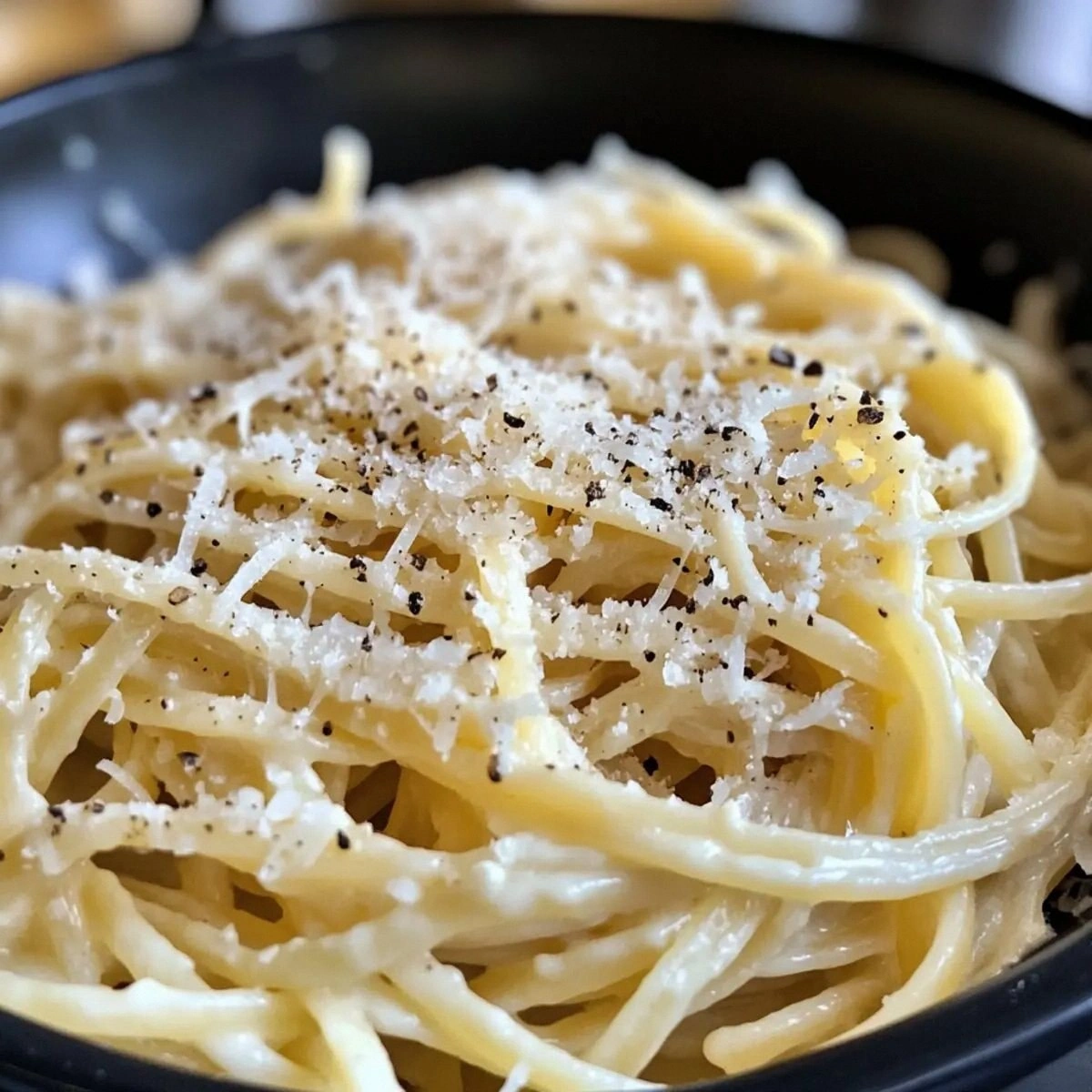
I was standing in my kitchen at midnight, half‑asleep, when the smell of burnt toast wafted in from the living room. I stared at the charred slice, sighed, and muttered, “If only I had something truly comforting to fix this disaster.” That very moment, a dare from my roommate—“Make a pasta that could melt a heart of steel”—sparked the birth of what I now call the ultimate garlic butter pasta. I rummaged through the pantry, grabbed every clove of garlic I could find, and threw together a sauce that turned out to be richer than a silk scarf and smoother than jazz on a rainy night. The first bite was an epiphany: the butter and olive oil blended into a glossy, buttery river that embraced each strand of pasta like a lover’s arms.
Picture this: a pot of water bubbling like a lively conversation, the pasta sliding into it with a soft splash, and a pan on the stove where garlic sizzles, releasing an aroma that makes your nostrils do a little happy dance. The kitchen fills with the scent of caramelized garlic, the faint crackle of butter turning golden, and a whisper of pepper that tingles the air. You hear the faint hum of the refrigerator, the clink of the wooden spoon against the pan, and the distant hum of the city outside—all background to the star of the show, the sauce itself. When the pasta finally meets the sauce, the two merge in a symphony that feels like a warm hug from the inside out.
Most garlic butter pasta recipes out there either drown the garlic in oil or skimp on the butter, leaving you with a bland, watery mess. This version stands out because it respects each ingredient, giving garlic the spotlight it deserves while letting the butter and olive oil create a luxurious coating that clings to every noodle. I’m not kidding when I say this is hands down the best version you’ll ever make at home; it’s the kind of dish that makes you want to write love letters to your skillet. I even added a tiny splash of pasta water at the end, a secret that turns the sauce from glossy to velvety, like pouring liquid gold over a bed of clouds.
Now, I’m about to walk you through every single step — by the end, you’ll wonder how you ever made it any other way. Okay, ready for the game‑changer? Let’s dive in and turn a simple pantry staple into a comforting luxury that will have you daring anyone to taste it and not go back for seconds.
What Makes This Version Stand Out
- Taste: The balance of garlic’s sharp bite with the mellow richness of butter creates a flavor profile that feels both bold and soothing, like a perfect duet.
- Texture: The sauce coats each noodle like velvet, while the garlic pieces turn golden and crisp, adding a delightful crunch that shatters like thin ice.
- Simplicity: Only six core ingredients are needed, but each is treated with reverence, proving that luxury doesn’t have to be complicated.
- Uniqueness: The final splash of starchy pasta water creates an emulsion that most recipes miss, giving the sauce a silk‑like sheen.
- Crowd Reaction: I’ll be honest — I ate half the batch before anyone else got to try it, and the leftovers disappeared faster than you can say “more butter.”
- Ingredient Quality: Using extra‑virgin olive oil and fresh garlic makes a world of difference; the oil’s fruitiness lifts the sauce, while the garlic’s freshness prevents bitterness.
- Cooking Method: Gentle sautéing of garlic at a medium temperature ensures caramelization without burning, a step most recipes overlook.
- Make‑Ahead Potential: This dish reheats beautifully, especially when you add a splash of water, keeping the sauce luxuriously creamy.
Inside the Ingredient List
The Flavor Base
Garlic is the heart of this dish. Ten cloves, finely minced, provide a pungent backbone that, when sautéed, releases a sweet, caramelized aroma. Skipping the garlic or using pre‑minced garlic from a jar will rob the sauce of its depth; fresh garlic gives you that bright, almost citrusy edge that transforms the butter into something magical. If you’re allergic to garlic, try a combination of shallots and a dash of asafoetida for a similar umami punch.
Extra virgin olive oil contributes a fruity, peppery note that balances the richness of butter. Choose a cold‑pressed oil with a vibrant green hue; the fresher the oil, the more it will lift the sauce. A cheap, bland oil will make the dish feel flat, like a movie without a soundtrack. As a swap, you can use grapeseed oil if you prefer a neutral flavor, but you’ll lose that subtle fruitiness.
The Texture Crew
Butter is the silky component that gives the sauce its luxurious mouthfeel. Using half a cup of unsalted butter lets you control the salt level while providing a creamy, buttery glide that clings to every strand of pasta. If you’re dairy‑free, try a blend of vegan butter and a splash of coconut cream; the texture will stay rich, though the flavor will shift toward a tropical hint.
Black pepper adds a gentle heat that awakens the palate. One teaspoon of freshly cracked pepper is enough to give the sauce a subtle kick without overwhelming the garlic. Grinding pepper just before adding it ensures you capture its essential oils. For a twist, try white pepper for a milder, earthier note that won’t speckle the sauce.
The Unexpected Star
Parmesan cheese, added at the end, introduces a salty, nutty depth that binds the sauce together. A half‑cup of freshly grated Parmigiano‑Reggiano melts into the butter‑oil emulsion, thickening it just enough to coat the pasta without clumping. If you can’t find Parmigiano, Pecorino Romano works beautifully, offering a sharper profile that cuts through the richness.
The Final Flourish
Pasta itself is more than a vehicle; it’s a textural anchor. I use 8 ounces of high‑quality dried spaghetti or linguine, which holds onto the sauce thanks to its porous surface. If you opt for fresh pasta, reduce the cooking time by a minute or two, because fresh noodles absorb sauce faster and can become soggy if overcooked. Always reserve a cup of starchy pasta water before draining; that water is the secret weapon that turns a simple butter sauce into a glossy, velvety coating.
Everything’s prepped? Good. Let’s get into the real action…
The Method — Step by Step
Bring a large pot of salted water to a rolling boil. I like to add about 1 tablespoon of salt per quart of water; it seasons the pasta from the inside out. Once boiling, toss in the 8 oz of pasta and stir gently to prevent sticking. Cook until al dente—usually 9‑10 minutes, but start checking a minute early. When the pasta is just shy of perfect, scoop out a cup of the starchy water and set it aside; this will be your sauce‑saving elixir later.
While the pasta cooks, heat a large skillet over medium heat and drizzle in the ½ cup of extra‑virgin olive oil. The oil should shimmer but not smoke; if it starts to smoke, lower the heat immediately. Add the 10 minced garlic cloves, spreading them out so each piece makes contact with the pan. That sizzle when it hits the pan? Absolute perfection. Stir constantly, letting the garlic turn a light golden brown—about 2‑3 minutes.
Kitchen Hack: Toss a pinch of dried chili flakes into the oil with the garlic for a subtle heat that doesn’t overpower the buttery notes.When the garlic reaches that perfect amber hue, lower the heat to low and add the ½ cup of unsalted butter, cutting it into small cubes first. The butter will melt slowly, creating a frothy foam that soon settles into a glossy pool. As it melts, use a wooden spoon to gently swirl, allowing the butter and oil to emulsify. This is the moment of truth: the sauce should start to look like a luminous amber lake, not a greasy puddle.
Now, it’s time for the pepper. Sprinkle in 1 tsp of freshly cracked black pepper, letting its aromatic oils rise to the surface.
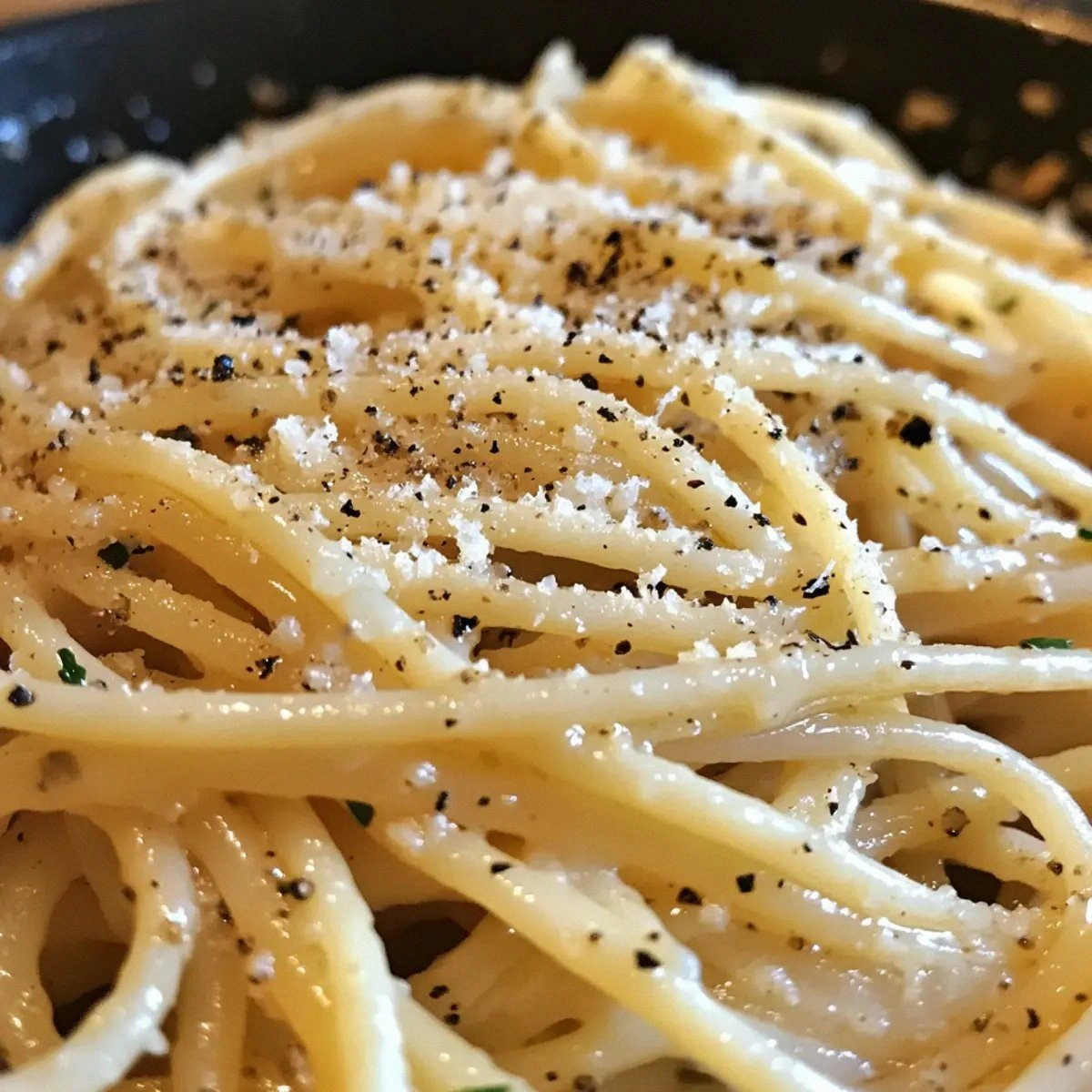
Stir gently; you’ll notice the pepper’s scent mingling with the garlic, creating a fragrant cloud that makes your kitchen feel like a bistro.Watch Out: If the heat is too high, the butter can separate, leaving oil on top and a gritty texture. Keep the flame low and steady.Drain the pasta, reserving that cup of pasta water. Toss the hot noodles straight into the skillet, letting them bathe in the buttery garlic pool. Immediately pour in about ¼ cup of the reserved pasta water and start tossing vigorously. The starch in the water binds the sauce to the pasta, turning the mixture into a silky coating that clings like a second skin.
Kitchen Hack: Add the pasta water a little at a time; you can always add more, but you can’t take it out if it gets too thin.Sprinkle the ½ cup of freshly grated Parmesan over the pasta, tossing continuously so the cheese melts into the sauce. The heat from the pasta and pan will melt the cheese instantly, thickening the sauce without any clumps. Taste now; you’ll notice a subtle salty depth that rounds out the garlic’s sharpness. If you feel the sauce is too thick, drizzle in a splash more pasta water until you achieve a glossy sheen.
Give the dish a final season with a pinch of sea salt if needed, and finish with a drizzle of extra‑virgin olive oil for a glossy finish. This final drizzle adds a fresh, fruity note that lifts the entire plate, making the sauce look restaurant‑ready. Let the pasta sit for a minute; this rest allows the flavors to meld, creating a harmonious bite every time.
Plate the pasta in shallow bowls, ensuring each serving gets a generous coat of sauce. Garnish with a few extra shavings of Parmesan and a sprinkle of cracked pepper for visual appeal. Serve immediately while the butter is still molten, and watch your guests’ eyes widen as they take that first forkful. That moment when the sauce slides off the fork in a silky ribbon? Pure magic.
That’s it — you did it. But hold on, I’ve got a few more tricks that’ll take this to another level, from finishing touches to secret flavor boosters that will make you the hero of every dinner table.
Insider Tricks for Flawless Results
The Temperature Rule Nobody Follows
Never let the butter scorch. Keep the heat on low once the butter joins the pan; a gentle melt creates a stable emulsion, while high heat forces the butter to separate into oil. I once cranked the stove to “high” thinking I’d speed things up, and the sauce turned greasy—an instant lesson in patience. The key is to watch the butter’s color; when it starts to foam and turn a buttery gold, you’re in the sweet spot.
Why Your Nose Knows Best
Your nose is a better indicator than a timer when sautéing garlic. When the garlic first hits the pan, you’ll smell a raw, sharp bite. As it caramelizes, the aroma softens into a sweet, nutty perfume. If you ever hear a faint, almost burnt whiff, pull the pan off the heat immediately—this is your cue that the garlic is on the brink of bitterness.
The 5‑Minute Rest That Changes Everything
After tossing the pasta with the sauce, let it rest for five minutes off the heat. This short pause lets the starches continue to release, thickening the sauce naturally. It also gives the garlic and butter time to meld, creating a depth you simply can’t achieve by serving straight away. Trust me, those five minutes are worth every second of anticipation.
Seasoning in Layers
Instead of dumping all the salt at the end, season the water for the pasta, the oil before adding garlic, and finally the sauce with a pinch of sea salt. Layered seasoning builds complexity, much like a well‑written novel builds plot twists. This method guarantees every bite is perfectly balanced, never flat.
The Secret Citrus Whisper
A squeeze of fresh lemon juice—just a teaspoon—added at the very end brightens the whole dish, cutting through the richness without making it taste lemony. I discovered this trick after a friend suggested it, and now it’s my go‑to for any buttery pasta. The acidity lifts the flavors, making the garlic pop and the Parmesan sing.
Finish with Fresh Herbs
A handful of chopped flat‑leaf parsley or basil added just before plating adds a burst of color and a fresh herbaceous note. Fresh herbs also add a slight peppery bite that complements the black pepper already in the sauce. If you’re feeling adventurous, try a sprinkle of finely chopped chives for a mild oniony crunch.
Creative Twists and Variations
This recipe is a playground. Here are some of my favorite ways to switch things up:
Spicy Chili Garlic
Add ½ teaspoon of crushed red pepper flakes along with the garlic. The heat will contrast the butter’s richness, creating a fiery yet comforting bite that’s perfect for cold evenings.
Mushroom Medley
Sauté a cup of sliced cremini or shiitake mushrooms after the garlic, letting them absorb the buttery sauce. The earthy umami deepens the flavor profile, making the dish feel more substantial.
Lemon‑Herb Bright
Stir in the zest of one lemon and a tablespoon of chopped fresh thyme just before serving. The citrus zest adds a fragrant pop, while thyme brings a woodsy nuance that pairs beautifully with garlic.
Creamy Truffle Infusion
Drizzle a teaspoon of white truffle oil over the finished pasta and toss lightly. The truffle’s earthy aroma turns an everyday dinner into a luxurious, restaurant‑grade experience.
Protein Power
Add cooked shrimp, grilled chicken, or pan‑seared scallops on top. The protein not only makes the dish more filling but also introduces new textures that complement the buttery noodles.
Veggie Boost
Fold in blanched asparagus spears or peas right before serving. The bright green vegetables add color, crunch, and a sweet counterpoint to the rich sauce.
Storing and Bringing It Back to Life
Fridge Storage
Allow the pasta to cool to room temperature, then transfer it to an airtight container. It will keep for up to three days in the refrigerator. When reheating, add a splash of water or broth and gently re‑sauté in a skillet; this revives the sauce’s silkiness.
Freezer Friendly
Portion the cooled pasta into freezer‑safe bags, removing as much air as possible. Freeze for up to two months. To reheat, thaw overnight in the fridge, then warm in a skillet with a tablespoon of butter and a splash of water, stirring until glossy.
Best Reheating Method
The stovetop method is king: heat a non‑stick pan over medium‑low, add the pasta, drizzle a teaspoon of olive oil, and toss gently. Add a tablespoon of pasta water if the sauce looks dry; the steam will bring it back to life, making each bite feel freshly made.