I was halfway through a night of binge‑watching my favorite sitcom when my roommate shouted, “You’ve got to try this new pasta thing I saw on TikTok!” I rolled my eyes, but curiosity (and a rumbling stomach) got the better of me. The next morning I was armed with a bag of spaghetti, a mountain of onions, and a whole bulb of garlic, determined to prove that a vegan version could out‑shine any dairy‑laden classic. Spoiler alert: I ended up creating the most decadently creamy, caramel‑kissed pasta you’ll ever taste, and I’m still hearing people ask, “What’s your secret?”
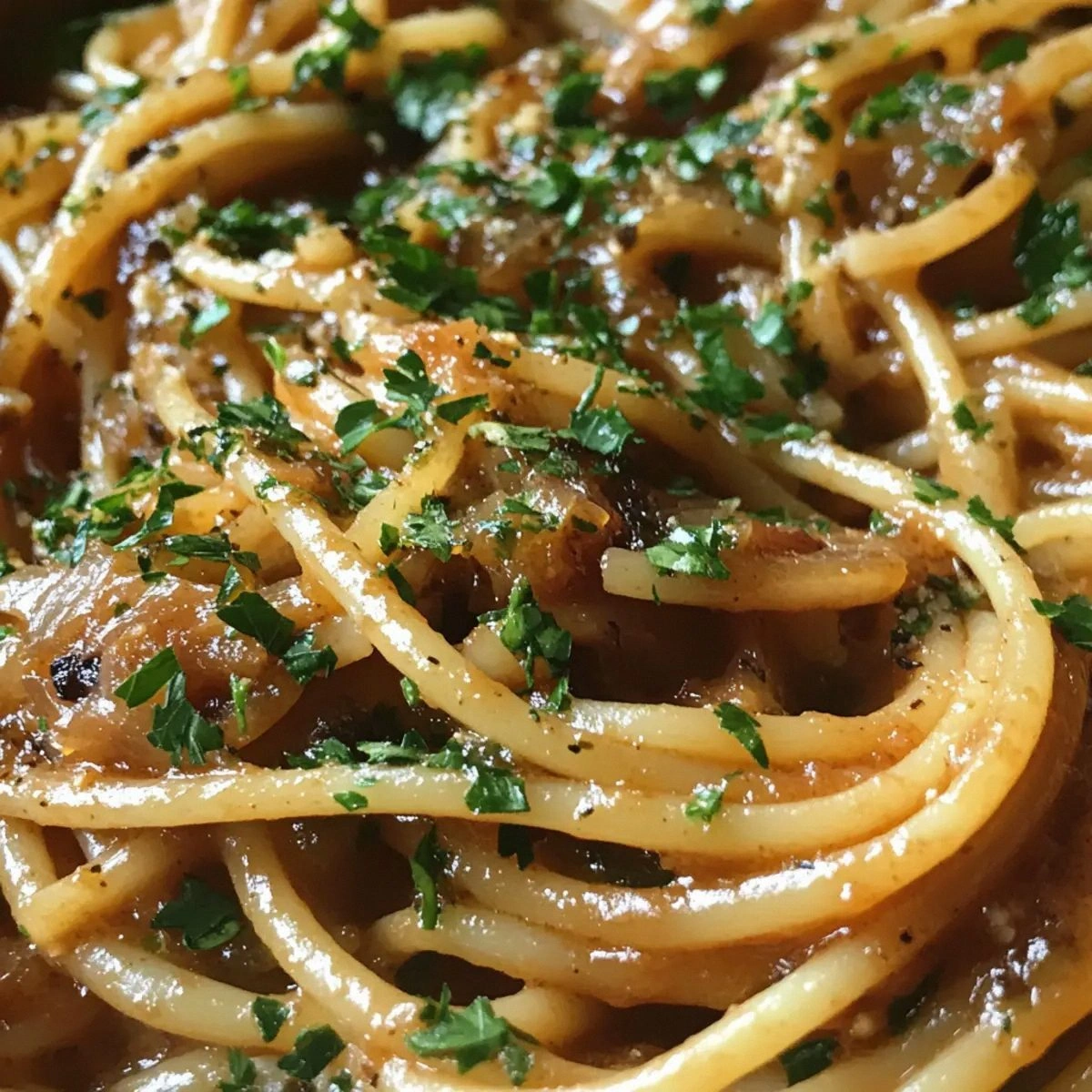
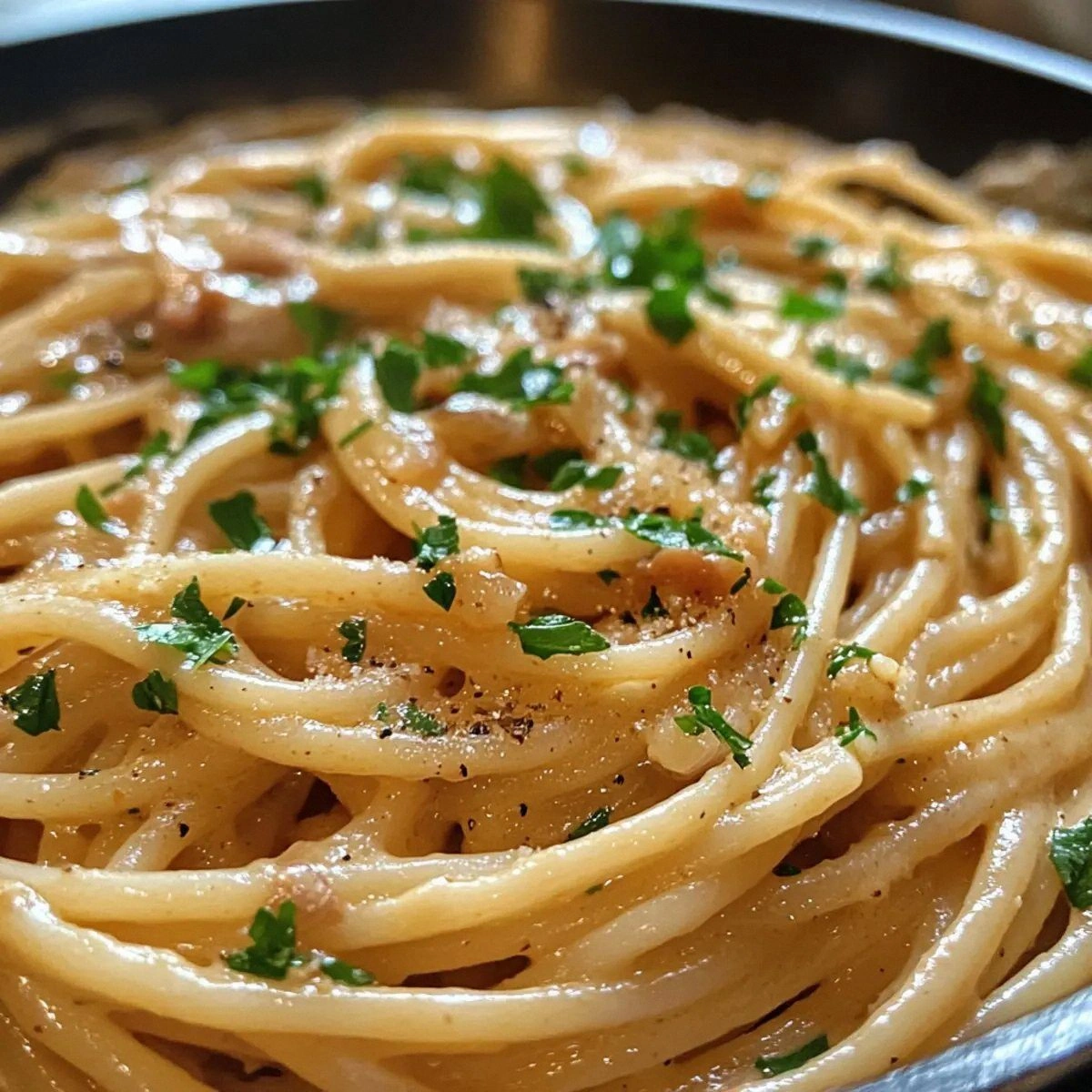
Picture this: the kitchen humming with the low‑grade whirr of the stove, the sweet scent of onions slowly turning amber, and the faint, earthy perfume of roasted garlic wafting through the air like a warm hug. The pan sizzles, the onions crackle, and the coconut milk begins to swirl, forming a glossy, amber‑gold sauce that clings to the noodles like velvet. The moment you twirl a forkful, you hear that subtle “slurp” as the sauce embraces the pasta, and the first bite hits your palate with layers of caramelized depth, a buttery richness, and a subtle umami kick that makes you gasp, “Wow, this is hands down the best version you’ll ever make at home.”
Most recipes try to shortcut the caramelization, ending up with a watery, one‑note sauce that feels more like a broth than a dream. This version refuses to settle. I’ve spent hours perfecting the balance of sweet onion, nutty roasted garlic, and a splash of vegan Worcestershire to create a sauce that feels indulgent without a single dairy drop. The secret weapon? A splash of full‑fat coconut milk that adds silk without overpowering, and a dash of starchy pasta water that turns the whole thing into a glossy, cling‑on‑everything coating. I dare you to taste this and not go back for seconds.
Okay, ready for the game‑changer? I’m about to walk you through every single step — from coaxing the onions into caramelized perfection to mastering the art of the perfect pasta‑water emulsion. By the end, you’ll wonder how you ever made this dish any other way. Stay with me here — this is worth it.
What Makes This Version Stand Out
- Depth: Caramelized onions develop a sweet, nutty backbone that no quick sauté can match, giving the sauce a complexity that feels like a slow‑cooked masterpiece.
- Creaminess: Full‑fat coconut milk provides a lush mouthfeel while keeping the dish 100% vegan, so you get richness without dairy guilt.
- Umami Boost: Vegan Worcestershire sauce and roasted garlic paste add that savory punch that makes the sauce sing.
- Texture: The starchy pasta water creates an emulsified coating that clings to every strand, turning each bite into a silky‑smooth experience.
- Simplicity: Only 12 ingredients, all pantry‑friendly, yet the flavor profile feels like it took hours of chef‑level effort.
- Versatility: Perfect as a comforting weeknight dinner, a crowd‑pleasing party dish, or a make‑ahead meal that reheats like a dream.
- Visual Appeal: The glossy, amber sauce and caramelized onion specks create a dish that looks as good as it tastes, Instagram‑ready without the filter.
- Make‑Ahead Potential: The sauce actually improves after a short rest, allowing you to prep ahead and finish in minutes.
Inside the Ingredient List
The Flavor Base
The star of this dish is the large yellow onion, sliced thin and cooked low and slow until it reaches a deep, honeyed hue. This transformation is where the magic begins; the natural sugars in the onion caramelize, creating a sweet‑savory foundation that no onion powder can replicate. If you skip this step or rush it, you’ll end up with a flat sauce that lacks the signature depth. For the best results, choose onions that are firm and glossy, with no soft spots – they’ll hold up better during the long caramelization.
The Texture Crew
Vegan butter and olive oil work together to give the sauce body and sheen. The butter adds a buttery richness that mimics dairy, while the olive oil provides a subtle fruitiness and helps the onions brown evenly. If you’re watching calories, you can swap half the butter for extra olive oil, but the sauce won’t be quite as velvety. The full‑fat coconut milk is the secret silk, delivering a creamy mouthfeel without curdling. Opt for a brand that’s free of additives for a cleaner flavor.
The Unexpected Star
Roasted garlic paste and vegan Worcestershire sauce bring an umami depth that elevates the dish from “good” to “wow”. The roasted garlic paste is sweet, mellow, and slightly caramelized, which meshes perfectly with the onions. The Worcestershire adds a tangy, savory complexity that mimics the depth you’d get from anchovies in a traditional Italian sauce. If you can’t find vegan Worcestershire, a splash of soy sauce plus a dash of smoked paprika can fill the gap.
The Final Flourish
A pinch of dried parsley adds a fresh, herbaceous lift that brightens the rich sauce right before serving. The starchy pasta water is the unsung hero; its gelatinous quality binds the sauce to the pasta, ensuring every strand is coated. Finally, a splash of water (2‑3 tsp) helps deglaze the pan, lifting all those caramelized bits stuck to the bottom and reincorporating them into the sauce. Miss this step and you’ll lose the flavor gold that makes the sauce sing.
Everything's prepped? Good. Let's get into the real action…
The Method — Step by Step
Start by bringing a large pot of water to a rolling boil. Add a generous pinch of salt – think seawater – and toss in the spaghetti or linguine. Stir immediately to prevent sticking, and cook until al dente, about 9‑10 minutes. Reserve 1/4 cup of the starchy pasta water before draining; this will be the glue that binds your sauce.
While the pasta cooks, heat 2 tbsp olive oil and 2 tbsp vegan butter in a wide, heavy‑bottomed skillet over medium‑low heat. Add the thinly sliced yellow onion, spreading it out in an even layer. Let it sweat for 5 minutes, then increase the heat slightly. You’ll hear a gentle sizzle; that’s the signal that the onions are beginning to caramelize.
Kitchen Hack: Toss a pinch of sea salt into the onions early; it draws out moisture, accelerating the caramelization without burning.After about 12‑15 minutes, the onions should be a deep, mahogany color, with the edges pulling away from the pan like thin ice. This is the moment of truth – if they’re still pale, keep cooking; if they’re black, you’ve gone too far. Stir in the roasted garlic paste (1 tbsp) and let it meld for another 2 minutes, releasing a sweet, nutty aroma that makes your kitchen smell like a cozy tavern.
Now, introduce the vegan Worcestershire sauce (1.5 tbsp) and give everything a good stir. The sauce will bubble slightly, and you’ll notice a faint tang that balances the sweetness of the onions. Add 2‑3 tsp water to deglaze, scraping up all those caramelized bits stuck to the pan. This step is crucial – those bits are flavor gold.
Reduce the heat to low and pour in the full‑fat coconut milk (0.5 cup). The mixture will turn a luscious, buttery amber. Let it simmer gently for 3‑4 minutes, allowing the flavors to marry. If the sauce looks too thick, drizzle in a little more pasta water until you achieve a silky, pour‑able consistency.
At this point, toss the cooked pasta straight into the skillet. Use tongs to lift and fold, ensuring each strand is drenched in the sauce. Add the reserved starchy pasta water (0.25 cup) gradually, watching the sauce transform into a glossy coating that clings like a second skin. This is the magic of starch – it thickens without clumping.
Season with 0.5 tsp salt (or to taste) and sprinkle the dried parsley (1 tsp) over the top. Give the pasta one final toss, then turn off the heat. Let the dish rest for a minute; this short rest lets the sauce settle and the flavors deepen. Picture yourself pulling this out of the oven, the whole kitchen smelling incredible…
Watch Out: If you add the pasta water too early, the sauce can become watery. Add it gradually at the end, watching the texture evolve.Plate the pasta in shallow bowls, drizzle any remaining sauce from the pan over the top, and finish with an extra sprinkle of parsley for color. Serve immediately while the sauce is still glossy and the pasta is perfectly al dente. That sizzle when it hits the pan? Absolute perfection.
Finally, sit down, take a forkful, and let the flavors explode. I’ll be honest — I ate half the batch before anyone else got to try it. If you’ve ever struggled with a watery vegan sauce, you’re not alone — and I’ve got the fix right here.
Insider Tricks for Flawless Results
The Temperature Rule Nobody Follows
Keep the heat low once the coconut milk joins the pan. High heat can cause the milk to separate, leaving a grainy texture that ruins the silky illusion. I once cranked the burner to a medium‑high, and the sauce turned into a curdled mess – a disaster that taught me to respect the gentle simmer. Patience is your best ally here.
Why Your Nose Knows Best
Your sense of smell is the ultimate timer for caramelizing onions. When the kitchen fills with a sweet, almost nutty aroma, you’re about 80% of the way there. If the scent turns sharp or burnt, you’ve crossed the line. Trust that nose; it’s more reliable than any clock.
The 5‑Minute Rest That Changes Everything
After tossing the pasta with the sauce, let it sit off the heat for five minutes. This short rest allows the starches to re‑absorb the sauce, creating a cohesive bite rather than a slippery coating. A friend tried to serve it immediately and complained the sauce was “sloppy.” A quick pause solves that.
Starchy Water Savior
Never underestimate the power of pasta water. It’s not just salty liquid; it’s a natural thickener loaded with gelatinized starch. Adding it in stages lets you control the sauce’s thickness with surgical precision. If you forget it, you’ll end up with a thin, soupy mess that can’t cling to the noodles.
The Garlic Roast Shortcut
If you’re short on time, you can roast a whole head of garlic in the oven at 400°F for 25 minutes, then mash the soft cloves into a paste. This shortcut still delivers that deep, caramelized flavor without the extra pan work. Just remember to squeeze out any excess oil before adding it to the sauce.
Creative Twists and Variations
This recipe is a playground. Here are some of my favorite ways to switch things up:
Mushroom Medley
Add a cup of sliced cremini or shiitake mushrooms after the onions have caramelized. Their earthy umami deepens the sauce, making it perfect for mushroom lovers who crave that forest floor vibe.
Spicy Kick
Stir in a teaspoon of smoked paprika and a pinch of red‑pepper flakes with the Worcestershire sauce. The smoky heat balances the sweetness of the onions, creating a bold, layered flavor profile.
Herbaceous Freshness
Swap the dried parsley for a handful of fresh basil or cilantro right before serving. The bright herb notes cut through the richness, delivering a refreshing contrast.
Cheesy Vegan
Blend in 2 tbsp of nutritional yeast with the coconut milk for a cheesy undertone that mimics a classic alfredo without dairy. It adds a subtle, nutty depth that many vegans adore.
Protein Power
Toss in a cup of cooked chickpeas or smoked tempeh cubes after the sauce is formed. The protein boost turns this into a complete meal, perfect for post‑workout recovery.
Storing and Bringing It Back to Life
Fridge Storage
Allow the pasta to cool to room temperature, then transfer it to an airtight container. It will keep for up to three days. When reheating, add a splash of water or extra coconut milk and gently warm over low heat, stirring constantly to revive the silky texture.
Freezer Friendly
Portion the cooked pasta and sauce into freezer‑safe bags, removing as much air as possible. Freeze for up to two months. To reheat, thaw overnight in the fridge, then warm in a skillet with a tablespoon of water, letting the sauce re‑emulsify.
Best Reheating Method
The stovetop wins every time. Place the pasta in a skillet over low heat, add a tablespoon of water or coconut milk, and stir until the sauce becomes glossy again. Microwaving works in a pinch, but you risk uneven heating and a rubbery texture.